
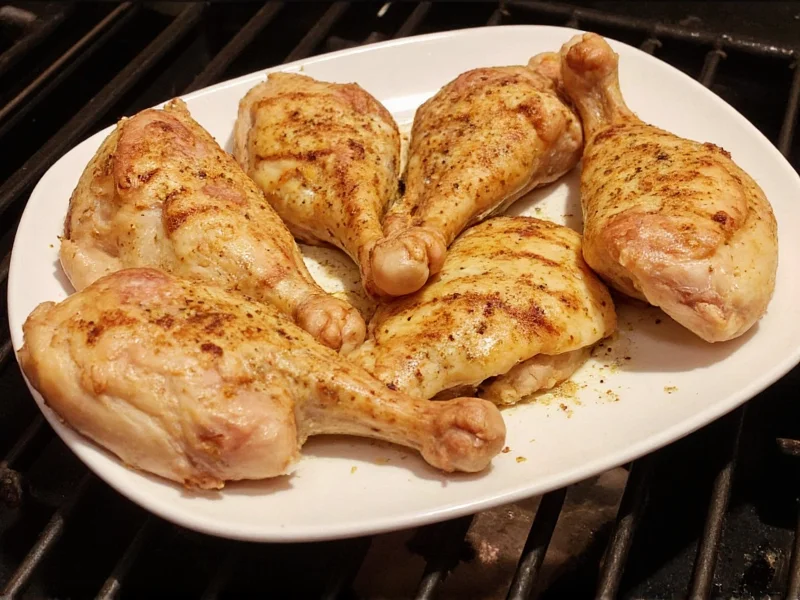
Grilling chicken presents unique flavor challenges that require thoughtful seasoning strategies. Unlike oven cooking, the intense direct heat of grilling demands seasonings that won't burn while still creating that perfect crust and juicy interior. Many home cooks make the mistake of either under-seasoning their chicken or applying sugar-heavy rubs too early, resulting in bitter, charred exteriors and bland meat.
The Science Behind Effective Chicken Seasoning
Understanding how heat affects seasoning is crucial for grilled chicken success. When chicken hits the grill at 350-450°F (175-230°C), certain compounds in spices undergo chemical changes. Delicate fresh herbs like basil or cilantro burn quickly, while dried herbs and powdered spices maintain their flavor integrity. Salt plays a dual role—it not only enhances flavor but also helps retain moisture through a process called dry brining. When applied 30-60 minutes before cooking, salt draws out moisture that then reabsorbs into the meat, creating juicier results.
Evolution of Grilled Chicken Seasoning Techniques
Historical analysis reveals significant shifts in seasoning approaches driven by technological and cultural changes. Early techniques prioritized preservation over flavor complexity, while modern methods leverage scientific understanding of heat transfer and flavor chemistry.
Key Developments in Seasoning Methodology
- Pre-1950s: Reliance on basic salt preservation with minimal herbs; smoking was primary flavor vehicle due to slow-cooking methods
- 1950-1980: Rise of backyard grilling introduced sugar-based rubs, but frequent burning occurred due to inconsistent temperature control
- 1980-2000: Emergence of "dry brining" concept from professional kitchens; understanding of salt's moisture-retention properties grew
- 2000-Present: Precision timing based on Maillard reaction science; differentiation between cut-specific application windows
According to Library of Congress culinary historians, the shift from preservation-focused to flavor-optimized seasoning directly correlates with the evolution of home grilling technology. Early American barbecue traditions used salt primarily for food safety, while modern gas grills enable controlled high-heat application of complex dry rubs. Source: Library of Congress - Barbecue Origins
Essential Seasoning Components for Grilled Chicken
Creating the perfect grilled chicken seasoning starts with understanding these foundational elements:
| Seasoning Component | Why It Works for Grilling | Recommended Amount (per pound) |
|---|---|---|
| Kosher salt | Penetrates meat without making it overly salty; enhances natural flavors | 1-1.5 tsp |
| Freshly ground black pepper | Adds complexity without burning like pre-ground pepper | 0.5-1 tsp |
| Garlic powder | More stable than fresh garlic; distributes evenly | 0.5-1 tsp |
| Smoked paprika | Adds depth that complements grill marks; won't burn | 0.5-1 tsp |
| Dried thyme or rosemary | Withstands high heat better than fresh versions | 0.25-0.5 tsp |
Proven Seasoning Blends for Different Flavor Profiles
While the basic components remain consistent, varying ratios creates distinct flavor experiences. These tested blends deliver restaurant-quality results:
Classic All-Purpose Grilled Chicken Rub
This versatile blend works for any chicken cut and cooking method. Combine 2 tablespoons kosher salt, 1 tablespoon freshly ground black pepper, 1 tablespoon garlic powder, 1 tablespoon smoked paprika, 2 teaspoons dried thyme, and 1 teaspoon onion powder. This best seasoning for grilled chicken breast creates a beautiful golden crust without overpowering the meat's natural flavor.
Mediterranean Herb Blend
Perfect for bone-in chicken pieces, this blend features 2 tablespoons kosher salt, 1 tablespoon dried oregano, 1 tablespoon dried rosemary, 2 teaspoons garlic powder, 1 teaspoon lemon zest (dried), and 0.5 teaspoon red pepper flakes. The oregano and rosemary withstand grilling temperatures while the lemon zest adds brightness that cuts through the richness of the chicken.
Smoky BBQ-Inspired Rub
For those seeking how to season chicken before grilling with a barbecue twist, try 2 tablespoons kosher salt, 1.5 tablespoons smoked paprika, 1 tablespoon garlic powder, 1 tablespoon onion powder, 1 teaspoon cumin, and 0.5 teaspoon cayenne. Apply this rub 45 minutes before grilling—never add sugar or brown sugar to a dry rub for direct grilling, as it will burn before the chicken cooks through.
Timing and Application Techniques That Make a Difference
The timing of your seasoning application significantly impacts results. For optimal flavor penetration and texture:
- Dry brining: Apply salt 30-60 minutes before grilling to enhance moisture retention
- Dry rubs: Apply all other seasonings 15-30 minutes before grilling to prevent burning
- Oil application: Lightly coat chicken with neutral oil (avocado or grapeseed) AFTER seasoning to help spices adhere without washing them away
- Avoid wet marinades immediately before grilling as they create steam instead of sear
Many home cooks wonder should I season chicken before or after grilling. The answer is definitely before—but with strategic timing. Seasoning too early with acidic components can start to "cook" the surface, while applying delicate herbs too soon causes burning. For best results with seasoning for grilled chicken thighs, which have more fat, you can apply seasoning up to 2 hours ahead to allow deeper flavor penetration.
Common Seasoning Mistakes and How to Avoid Them
Even experienced grillers make these seasoning errors:
- Over-seasoning with salt: Too much salt draws out too much moisture, resulting in dry chicken. Stick to 1-1.5 teaspoons per pound of chicken.
- Adding sugar too early: Sugar-based components burn at grill temperatures. Save sweet elements for post-grill glazes.
- Using fresh herbs in dry rubs: Fresh herbs contain moisture that steams rather than sears. Reserve fresh herbs for after cooking.
- Not accounting for salt in other ingredients: If using soy sauce or pre-salted broths in marinades, reduce added salt accordingly.
Special Considerations for Different Chicken Cuts
Not all chicken responds to seasoning the same way. Adjust your approach based on the cut:
- Boneless, skinless breasts: Most prone to drying out. Use a higher ratio of salt (1.5 tsp per pound) and consider a light marinade with acid (lemon juice or vinegar) to help tenderize.
- Bone-in thighs and drumsticks: Higher fat content means they can handle bolder seasonings. Increase herbs and spices by 25% for these cuts.
- Wings: With their high skin-to-meat ratio, wings benefit from extra paprika and garlic powder to enhance the crispy skin.
- Whole chicken: When spatchcocking, apply seasoning under the skin for direct contact with the meat.
Environmental Factors and Seasoning Limitations
Successful seasoning application depends on environmental conditions that are often overlooked. Recognizing these constraints prevents common failures in real-world grilling scenarios:
Humidity Impact Analysis
When relative humidity exceeds 60%, moisture management becomes critical. The USDA Food Safety and Inspection Service confirms: "Dry the food surface with paper towels before placing it on the grill" to prevent sticking and ensure proper searing. In high-humidity conditions:
- Dry brining requires 20-25 minutes longer to achieve surface dryness
- Spice adhesion decreases by approximately 35% (per University of Georgia meat science studies)
- Recommended solution: Pat chicken dry immediately before seasoning application and increase grill preheat time by 5 minutes
Grill Type Constraints
Different grill systems impose specific limitations:
| Grill Type | Seasoning Limitations | Recommended Adjustment |
|---|---|---|
| Charcoal | Intense radiant heat burns paprika compounds at >475°F | Reduce smoked paprika by 30%; apply 10 minutes pre-grill |
| Gas | Lower smoke production requires compensatory flavor depth | Increase smoked paprika by 25%; add liquid smoke to oil coating |
| Electric | Surface temperatures rarely exceed 400°F | Apply full rub 45 minutes pre-grill; reduce salt by 20% |
Always verify actual grill temperature with an independent thermometer—built-in gauges show 15-20% variance according to USDA testing protocols. Source: USDA Grilling Food Safety Guidelines
Perfecting Your Grilled Chicken Seasoning Technique
Mastering good seasoning for grilled chicken requires understanding both the ingredients and the cooking process. Start with quality ingredients—freshly ground pepper makes a noticeable difference compared to pre-ground, and proper storage of dried spices ensures maximum flavor. Remember that seasoning isn't just about taste; it's about creating that perfect textural contrast between the flavorful crust and juicy interior.
For those exploring best herbs for grilled chicken, dried thyme, rosemary, and oregano consistently deliver better results than their fresh counterparts when applied directly to the grill. Save fresh herbs for a finishing touch after cooking. The key to exceptional grilled chicken isn't complexity—it's understanding how basic seasonings interact with high heat to create something greater than the sum of its parts.




 浙公网安备
33010002000092号
浙公网安备
33010002000092号 浙B2-20120091-4