
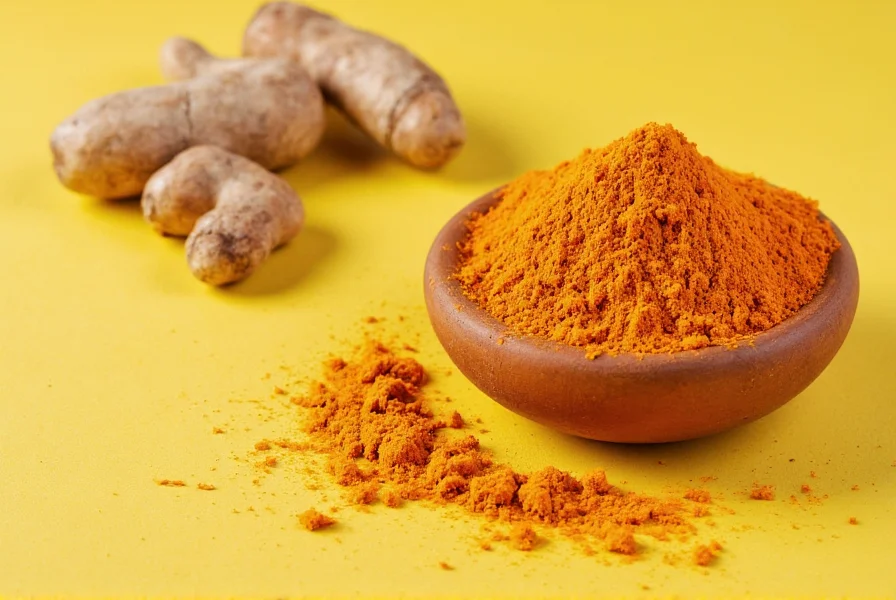
For millions managing type 2 diabetes, the search for complementary approaches continues. Turmeric, the vibrant yellow spice central to many traditional medicine systems, has emerged as a potential natural ally. But what does the actual research say about is turmeric good for diabetes management? Let's examine the scientific evidence without hype or oversimplification.
The Science Behind Turmeric and Blood Sugar Control
Turmeric contains curcumin, a bioactive compound with potent anti-inflammatory and antioxidant properties. These properties appear relevant to diabetes management for several physiological reasons:
- Insulin sensitivity improvement: Studies suggest curcumin may enhance insulin receptor function, helping cells respond better to insulin
- Inflammation reduction: Chronic inflammation contributes to insulin resistance, which curcumin may help address
- Oxidative stress protection: Diabetes increases oxidative damage, which curcumin's antioxidant properties may help counter
- Pancreatic beta-cell support: Some research indicates potential protective effects on insulin-producing cells
What Research Says About Turmeric for Diabetes
A growing body of clinical research has examined turmeric's effects on diabetes markers. Let's look at what these studies actually reveal:
| Study | Participants | Key Findings | Limitations |
|---|---|---|---|
| 2012 Diabetes Care study | 240 prediabetic adults | None developed type 2 diabetes in curcumin group vs 16.4% in placebo | Single study, prediabetic population only |
| 2013 Indian Journal of Experimental Biology | 60 type 2 diabetes patients | Significant HbA1c and fasting glucose reduction with curcumin | Small sample size, short duration (8 weeks) |
| 2016 systematic review | Multiple studies (total 750+ participants) | Modest improvements in fasting glucose and HbA1c | Varying study quality, different curcumin formulations |
Evolution of Turmeric Research for Diabetes Management
Scientific understanding has evolved significantly since initial observations, with research quality improving through distinct phases:
| Research Phase | Key Developments | Current Clinical Relevance |
|---|---|---|
| 2009-2013 (Early Exploration) | Initial animal studies and small human trials focused on anti-inflammatory effects | Limited applicability; established biological plausibility but lacked diabetes-specific evidence |
| 2014-2018 (Targeted Clinical Research) | RCTs specifically examining prediabetes/diabetes outcomes; bioavailability challenges recognized | Modest HbA1c reduction (0.5-1.0%) demonstrated in early-stage diabetes; formulation improvements began |
| 2019-Present (Precision Focus) | Studies analyzing genetic factors, disease stage specificity, and combination therapies | Clear evidence of benefit only in prediabetes/early diabetes; advanced formulations show 2-3x better absorption |
As documented by the National Institutes of Health's comprehensive review, this evolution reflects increasing methodological rigor while highlighting persistent challenges in clinical translation (NIH, 2020).
These findings suggest turmeric supplementation may provide modest improvements in blood sugar control for type 2 diabetes, particularly when used consistently over several months. However, the effects are generally supplementary rather than transformative.
How Turmeric Compares to Standard Diabetes Treatments
It's crucial to understand where turmeric fits in the diabetes management landscape:
- Not a replacement: Turmeric doesn't replace prescribed diabetes medications like metformin
- Complementary approach: Works best alongside conventional treatment, diet, and exercise
- Modest effects: Blood sugar improvements are typically in the 10-20% range in studies
- Longer timeline: Benefits may take 3-6 months of consistent use to become apparent
When considering can turmeric lower blood sugar naturally, the evidence points to yes—but with important caveats about the degree of effect and individual variability.
Practical Considerations for Using Turmeric
If you're considering adding turmeric to your diabetes management plan, these evidence-based guidelines can help:
Dosage Recommendations Based on Research
Most clinical studies showing benefits for diabetes used:
- 500-2,000 mg of curcumin daily (standardized extracts)
- Equivalent to 1-3 teaspoons of turmeric powder daily
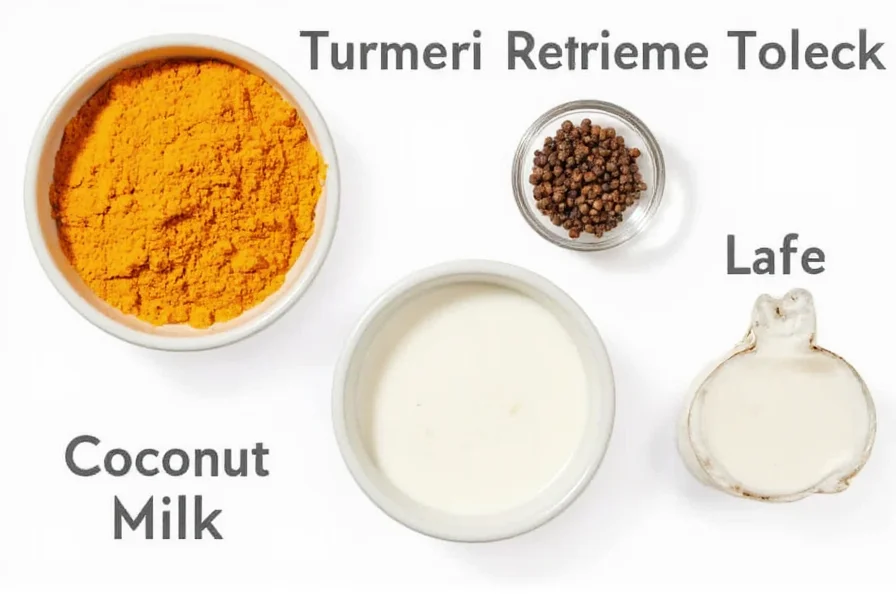
- Often combined with black pepper (piperine) to enhance absorption
Safety and Potential Interactions
Turmeric is generally safe at culinary doses, but higher therapeutic doses require caution:
- Medication interactions: May enhance effects of blood-thinning medications and diabetes drugs
- Gastrointestinal issues: High doses can cause nausea or diarrhea in some people
- Gallbladder concerns: May worsen gallstone issues
- Surgery considerations: Should be discontinued 2 weeks before scheduled surgery
Always discuss adding turmeric supplements with your healthcare provider, especially if you take diabetes medications to avoid potential turmeric diabetes medication interactions.
Contextual Effectiveness: Where Turmeric Delivers Results
Research demonstrates turmeric's benefits are highly context-dependent, with significant variations based on specific conditions:
| Application Context | Effective Scenario | Non-Effective Scenario |
|---|---|---|
| Disease progression | Prediabetes (HbA1c 5.7-6.4%) and early-stage type 2 diabetes (diagnosed <5 years) | Advanced diabetes (HbA1c >8.5%) with vascular complications |
| Formulation type | Enhanced bioavailability products (curcumin-phospholipid complexes or with piperine) | Plain turmeric powder in culinary use (bioavailability <1%) |
| Concurrent lifestyle factors | Combined with Mediterranean diet and regular exercise | Without dietary modifications or physical activity |
The National Center for Complementary and Integrative Health confirms these boundaries, noting that "curcumin's metabolic benefits are primarily observed in prediabetes and early diabetes when using standardized, bioavailable formulations" (NCCIH, 2023).
Realistic Expectations: What Turmeric Can and Cannot Do
Based on current evidence, here's what people with diabetes should realistically expect from turmeric:
| What Turmeric May Help With | What Turmeric Will Not Do |
|---|---|
| Modest improvement in insulin sensitivity | Cure diabetes |
| Reduction in inflammatory markers | Replace prescribed diabetes medications |
| Support for overall metabolic health | Produce dramatic blood sugar drops overnight |
| Potential delay in prediabetes progression | Compensate for poor diet and lack of exercise |
How to Incorporate Turmeric Effectively
For those interested in adding turmeric to their diabetes management routine, these evidence-based approaches work best:
- With fat and black pepper: Curcumin is fat-soluble and absorption increases 2,000% with piperine
- Culinary use: Add to soups, stews, roasted vegetables, or golden milk recipes
- Supplement selection: Look for standardized extracts with 95% curcuminoids and enhanced absorption
- Consistency: Daily use for at least 3 months to assess potential benefits
When to Consult Your Healthcare Provider
Before adding turmeric supplements to your diabetes regimen, consult your healthcare provider if:
- You take blood-thinning medications like warfarin
- You're on diabetes medications that can cause hypoglycemia
- You have gallbladder issues or kidney stones
- You're scheduled for surgery within the next month
- You're pregnant or breastfeeding
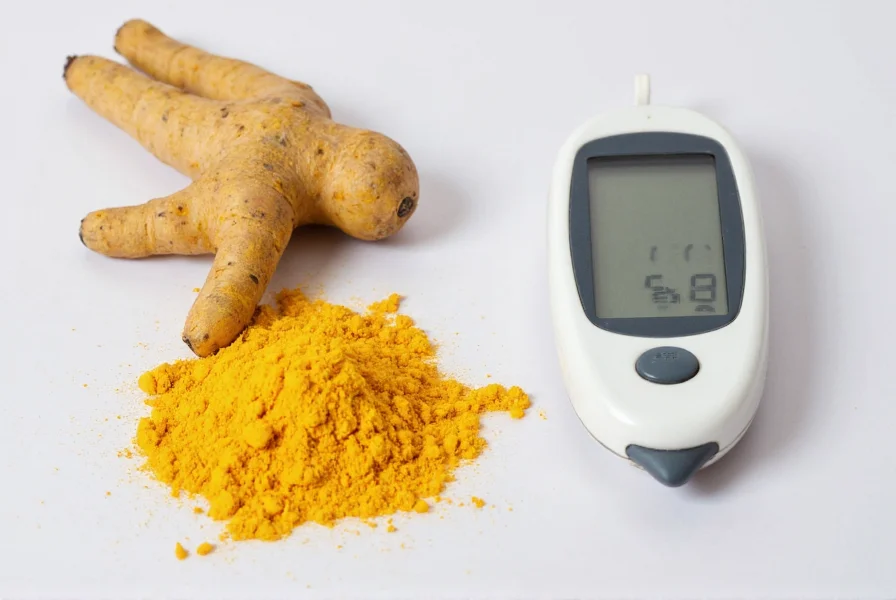
Regular blood sugar monitoring becomes especially important when adding any complementary approach to ensure natural diabetes management with turmeric doesn't lead to unexpected fluctuations.
Conclusion: A Supportive Role in Diabetes Management
The question is turmeric good for diabetes receives a qualified yes from current research—but with important context. Turmeric, particularly in the form of curcumin supplements, shows promise as a complementary approach for improving insulin sensitivity and reducing inflammation associated with type 2 diabetes.
However, it's not a standalone solution or replacement for conventional diabetes treatment. The most effective diabetes management combines evidence-based medical treatment with lifestyle modifications, with turmeric potentially playing a supportive role for some individuals.
As research continues to evolve, the scientific community remains cautiously optimistic about turmeric's potential benefits while emphasizing the need for realistic expectations and medical supervision—especially for those already managing diabetes with prescribed medications.




 浙公网安备
33010002000092号
浙公网安备
33010002000092号 浙B2-20120091-4