
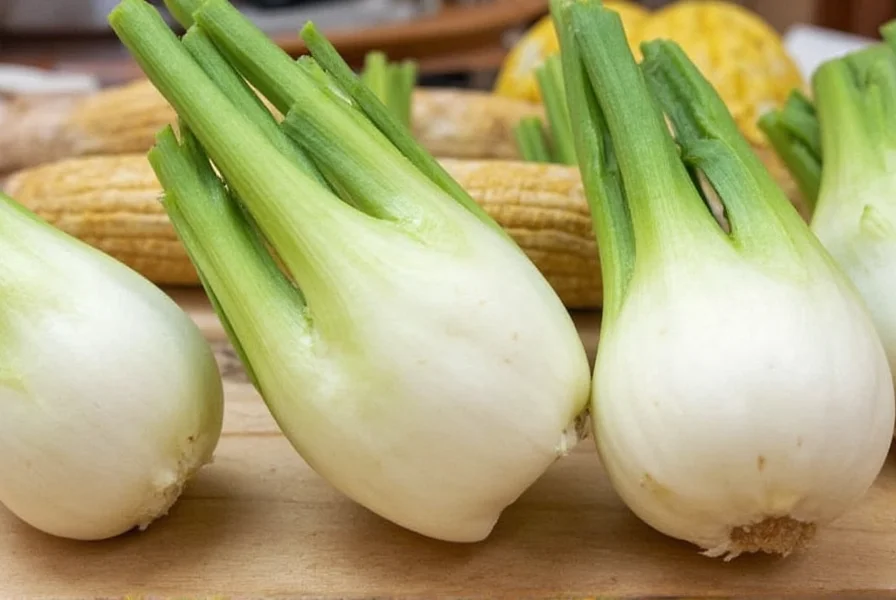
Fennel bulb transforms from crisp and slightly licorice-like when raw to sweet, mellow, and complex when cooked. This versatile vegetable works beautifully across multiple cooking methods, making it a valuable addition to any home cook's repertoire. Understanding how to properly prepare and cook fennel bulb unlocks its potential in both simple weeknight meals and elegant dishes.
Understanding Fennel Bulb Characteristics
Fennel bulb (also called Florence fennel or sweet fennel) features a white, bulbous base with green stalks and delicate fronds. When raw, it has a crisp texture and subtle anise flavor that mellows significantly during cooking. The entire plant is edible—bulb, stalks, and feathery fronds—which minimizes waste and maximizes flavor opportunities.
Historical Context and Culinary Evolution
Fennel's culinary journey spans millennia, evolving from ancient medicinal applications to modern gourmet centerpiece. The timeline below illustrates key developments in its culinary adoption:
| Time Period | Culinary Milestones |
|---|---|
| Ancient Mediterranean (1500 BCE) | First documented medicinal use; seeds employed in Egyptian remedies for digestive ailments |
| Greek & Roman Eras (8th c. BCE) | Bulb consumed raw in salads; seeds used as flavoring in breads and preserved fish |
| Medieval Europe (9th-15th c.) | Cultivated in monastery gardens; bulb variety (Florence fennel) developed in Italy |
| Renaissance (16th c.) | Featured in English herbals; used to flavor sauces for roasted meats |
| Modern Era (20th c.-present) | Global commercial cultivation; recognized as distinct vegetable category in Mediterranean cuisine |
Source: Purdue University Department of Horticulture (Fennel Crop Guide)
Selecting and Storing Fennel Bulbs
Choose firm, heavy-for-their-size bulbs with crisp white layers and vibrant green stalks. Avoid bulbs with brown spots, splits, or flowering stalks, which indicate age. Store uncut fennel in the refrigerator's crisper drawer for up to 5 days, wrapped in a damp paper towel inside a perforated plastic bag. Once cut, use within 2 days for best quality.
Preparing Fennel Bulb: Step-by-Step
Proper preparation ensures even cooking and optimal texture. Follow these steps for how to prepare fennel bulb for cooking:
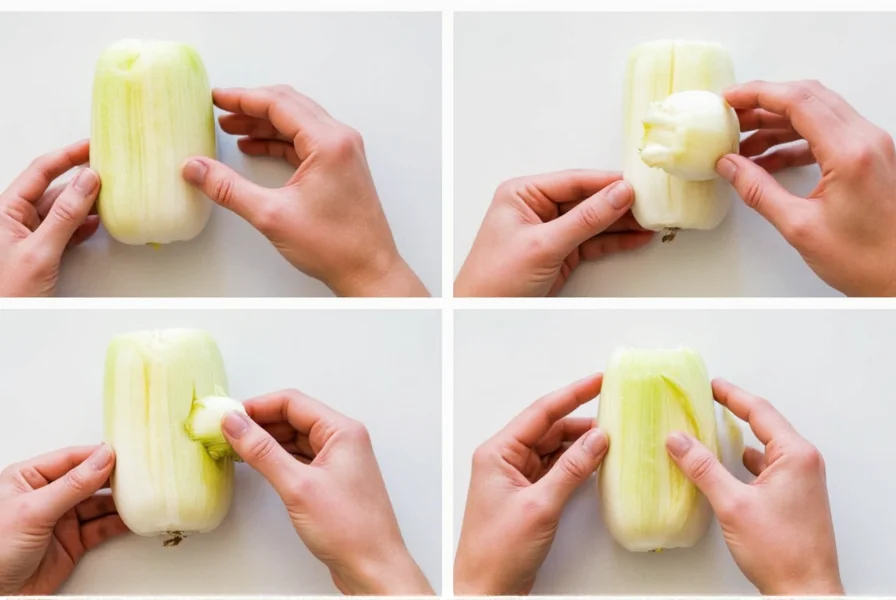
- Remove any wilted outer layers
- Cut off the green stalks about 1 inch above the bulb
- Slice off the tough root end
- Stand the bulb upright and cut vertically through the core
- Place cut-side down and slice according to your cooking method
For roasting or grilling, cut into ½-inch wedges to maintain structure. For sautéing or braising, slice thinly (¼-inch) for quicker cooking. The core remains edible and softens beautifully when cooked—no need to remove it.
Best Cooking Methods for Fennel Bulb
Different cooking techniques yield distinct textures and flavor profiles. Understanding these methods helps you choose the best way to cook fennel bulb for your meal.
Roasting Fennel Bulb
Roasting transforms fennel into sweet, caramelized perfection. Toss 1-inch wedges with 1-2 tablespoons olive oil, salt, and pepper. Spread in a single layer on a baking sheet and roast at 400°F (200°C) for 25-30 minutes, flipping halfway, until golden brown and tender when pierced with a fork. Add lemon zest during the last 10 minutes for brightness.
Sautéing Fennel Bulb
For quick weeknight preparation, sautéing delivers excellent results. Heat 1 tablespoon olive oil or butter in a skillet over medium heat. Add thinly sliced fennel and cook for 8-10 minutes, stirring occasionally, until tender-crisp. Add a splash of water or broth if sticking occurs. Finish with a squeeze of lemon juice and chopped fennel fronds.
Braising Fennel Bulb
Braising creates meltingly tender fennel with deep flavor. Place fennel wedges in a single layer in an oven-safe dish. Add enough broth or wine to come halfway up the bulbs. Cover and bake at 350°F (175°C) for 30-40 minutes until fork-tender. This method works particularly well with chicken or fish dishes.
| Cooking Method | Temperature | Cooking Time | Best For |
|---|---|---|---|
| Roasting | 400°F (200°C) | 25-30 minutes | Side dishes, salads, grain bowls |
| Sautéing | Medium heat | 8-10 minutes | Quick sides, pasta dishes, stir-fries |
| Braising | 350°F (175°C) | 30-40 minutes | Main dishes, soups, stews |
| Grilling | Medium-high | 8-12 minutes | Summer meals, kebabs, charred flavor |
Contextual Limitations of Cooking Methods
Each technique has specific constraints affecting suitability for different applications. Understanding these boundaries prevents common preparation errors:
- Roasting: Avoid when moisture retention is critical; dry heat reduces water content by 25-30%, concentrating flavors to potentially overpower delicate dishes (Culinary Institute of America, 2020)
- Sautéing: Unsuitable for large batches due to steam accumulation; overcrowding lowers pan temperature below 285°F (140°C), causing texture degradation instead of browning
- Braising: Not recommended for crisp-texture applications; prolonged liquid exposure breaks down cellular structure beyond 35 minutes (USDA Food Safety, 2022)
- Grilling: High risk with oil-rich preparations; flare-ups above 500°F (260°C) create bitter char notes that mask fennel's delicate anethole compounds
Source: Culinary Institute of America (Cooking Methods Fundamentals)
Flavor Pairings and Recipe Ideas
Fennel bulb's flavor profile complements numerous ingredients. When planning what to do with fennel bulb, consider these pairings:
- Proteins: Salmon, chicken, pork, shrimp
- Vegetables: Potatoes, carrots, tomatoes, leeks
- Herbs: Thyme, rosemary, dill, parsley
- Acids: Lemon, orange, vinegar
- Fats: Olive oil, butter, Parmesan cheese
Try these simple applications of fennel bulb cooking time and temperature principles:
- Add roasted fennel to pasta with lemon and Parmesan
- Layer sliced fennel in gratins or tian dishes
- Include in vegetable medleys for roasting
- Make fennel and potato soup with the fronds as garnish
- Create a fennel and orange salad with a citrus vinaigrette
Common Fennel Cooking Mistakes to Avoid
Even experienced cooks make these errors when working with fennel bulb:
- Discarding the core: The core becomes tender when cooked and adds structural integrity
- Not using the fronds: Save them for garnish, pesto, or stock—they're flavorful and reduce waste
- Underseasoning: Fennel needs adequate salt to balance its natural flavors
- Overcooking: When sautéing, stop when tender-crisp to maintain texture
- Ignoring the stalks: Use tougher stalks in stocks or braising liquids




 浙公网安备
33010002000092号
浙公网安备
33010002000092号 浙B2-20120091-4