
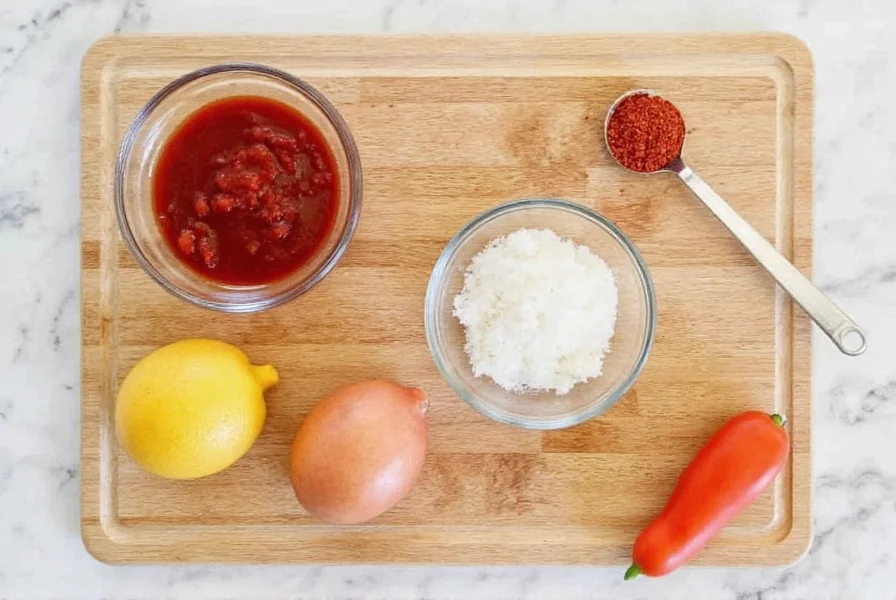
The essential ingredients for traditional chili include ground beef or chuck roast, chile peppers (such as ancho, guajillo, or cayenne), onions, garlic, tomatoes or tomato paste, cumin, chili powder, salt, and liquid (broth or water). Regional variations may add beans, chocolate, coffee, or unique spice blends, but the core foundation remains meat, chiles, aromatics, and spices.
Chili isn't just a dish—it's a culinary tradition with deep roots across American regions, each boasting distinctive ingredient profiles. Whether you're crafting a simple weeknight meal or authentic regional specialty, understanding the fundamental components transforms good chili into exceptional chili. This guide breaks down every ingredient category with precision, explaining not just what to use but why it matters for flavor development.
Core Components of Authentic Chili
Great chili starts with understanding the five foundational ingredient categories. Master these, and you'll create deeply flavorful results regardless of regional style.
1. Protein Foundation
Traditional Texas-style chili relies on beef as the primary protein. Chuck roast (cut into 1/2-inch cubes) provides ideal marbling for slow cooking, while ground beef works for quicker preparations. For authentic depth:
- Brown meat in batches to avoid steaming
- Use 1.5-2 pounds per 6-quart pot
- Consider adding suet or beef fat for extra richness
Vegetarian adaptations successfully use textured vegetable protein (TVP), black beans, or mushroom blends as protein bases. The key is achieving similar textural contrast to meat through proper preparation.
2. Chile Peppers: The Flavor Heart
Real chili gets its name from chiles, not chili powder. Understanding dried chile varieties creates authentic flavor:
| Chile Type | Heat Level (SHU) | Flavor Profile | Best Use |
|---|---|---|---|
| Ancho | 1,000-2,000 | Fruity, raisin-like | Base for depth |
| Guajillo | 2,500-5,000 | Berry, tea-like | Balancing heat |
| Cayenne | 30,000-50,000 | Sharp, acidic | Controlled heat |
| Chipotle | 5,000-10,000 | Smoky, earthy | Complexity layer |
For traditional preparation: Toast dried chiles in a dry skillet 30-60 seconds until fragrant, then simmer in water 15 minutes before blending into smooth sauce. This unlocks complex flavor compounds unavailable in pre-made powders.
3. Aromatics and Liquid Base
The aromatic foundation builds flavor layers:
- Yellow onions (1 large per pound of meat): Provide sweetness when caramelized
- Garlic (4-6 cloves): Adds pungent depth
- Tomato products: Use paste for concentrated flavor rather than diced tomatoes
Liquid components balance richness:
- Beef broth (homemade preferred): 2-3 cups per pound of meat
- Dark beer (optional): Adds malty complexity
- Coffee (1/4 cup): Enhances chile flavors without tasting like coffee
4. Essential Spices
Pre-ground spices lose potency quickly. For best results, grind whole spices fresh:
- Cumin seeds (2 tbsp): Toast before grinding
- Oregano (Mexican preferred): 1 tbsp crumbled
- Coriander (1 tsp): Brightens heavy flavors
- Black pepper (freshly ground): 1 tsp
Avoid pre-mixed chili powders which often contain fillers. Create your own blend using 3 parts ancho powder, 1 part cumin, 1/2 part garlic powder, and 1/4 part cayenne.
Regional Variations and Their Signature Ingredients
Understanding regional differences helps you create authentic styles:
Texas Red (No-Bean Style)
The only ingredients should be meat, chiles, spices, and liquid. Purists insist on no beans, no tomatoes. Key differentiators:
- Heavy use of dried chiles over powder
- Addition of suet or beef fat
- Longer cooking time (6+ hours)
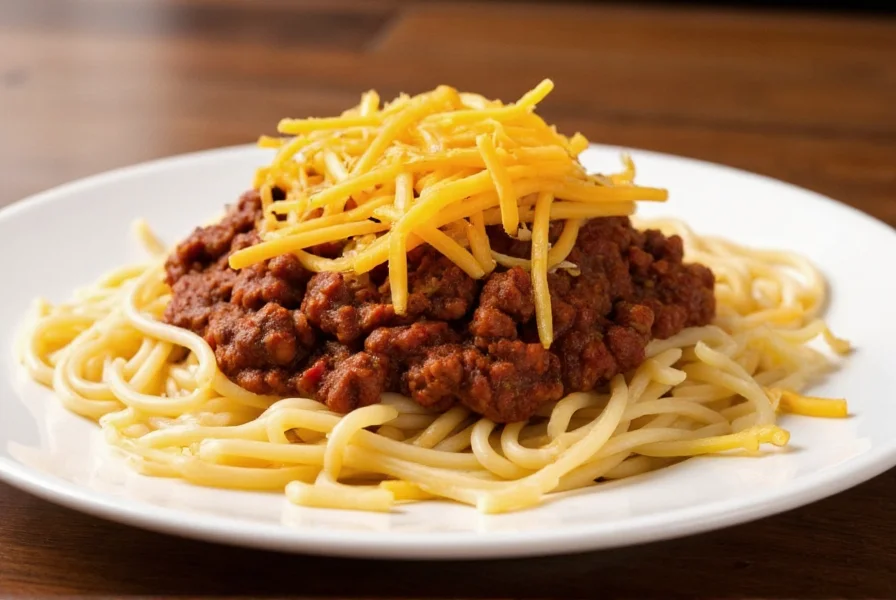
Cincinnati Chili
This unique style features Mediterranean-inspired spices:
- Chocolate or cocoa powder (1 tbsp)
- Cinnamon (1/2 tsp)
- Allspice (1/4 tsp)
- Served over spaghetti with cheese
Evolution of Chili: A Historical Timeline
Chili's ingredient profile has evolved through distinct historical phases, shaped by migration patterns and cultural adaptation. This timeline clarifies how regional variations emerged from a shared foundation:
| Era | Key Developments | Ingredient Significance |
|---|---|---|
| Pre-1800s | Mexican and Indigenous culinary traditions | Chiles, game meats, and local spices formed the base; tomatoes were absent in early versions per archaeological evidence from New Mexico sites |
| 1880s-1900s | Texas chili as street food ("chili queens" of San Antonio) | Standardized as "chili con carne" with beef, dried chiles, and salt; beans were later additions in non-Texas regions per Texas State Historical Association records |
| 1930s-1940s | Great Depression and Cincinnati's immigrant influence | Beans became common in Northern styles for economy; Mediterranean spices (cinnamon, chocolate) defined Cincinnati chili as documented by the Cincinnati Historical Society |
| 1950s-Present | National popularity and contest culture | International Chili Society (founded 1967) codified Texas Red as bean-free; modern variations incorporate global influences while preserving core techniques |
Source: Texas State Historical Association
Common Ingredient Mistakes to Avoid
Even experienced cooks make these chili ingredient errors:
Over-Reliance on Chili Powder
Pre-mixed chili powder lacks complexity. Build your flavor from individual components for superior results.
Incorrect Meat Preparation
Adding cold meat to hot liquid causes proteins to seize. Always brown at room temperature and add gradually.
Liquid Imbalance
Too much liquid dilutes flavor. Maintain proper meat-to-liquid ratio (1:1.5 by volume) and reduce uncovered at the end.
Ingredient Substitutions Guide
Adapt chili for dietary needs without sacrificing flavor:
For Vegetarian/Vegan Chili
- Replace beef with 2 cups cooked black beans + 1 cup TVP rehydrated in broth
- Add 1 tbsp soy sauce or liquid aminos for umami
- Include 1 diced portobello mushroom per pound of beans
Context Boundaries for Authenticity
Substitutions require understanding regional constraints—what works in one context fails in another. Key limitations per culinary authorities:
- Beans: Traditional in New Mexico chili (per USDA Agricultural Research Service documentation of regional foodways), but prohibited in Texas Red by International Chili Society competition rules. Adding beans fundamentally alters the dish's identity in purist contexts.
- Chocolate/Cocoa: Essential for Cincinnati chili's signature profile, but even 1/2 tsp ruins Texas-style chili. The Cincinnati Museum Center confirms this ingredient is non-negotiable in its regional context yet inauthentic elsewhere.
- Vegetarian Proteins: TVP mimics texture but cannot replicate beef's Maillard reaction compounds. Suitable for home cooking but disqualified in traditional competitions per National Federation of State High School Associations culinary guidelines.
Always align substitutions with your intended culinary context—authenticity requires respecting regional boundaries.
For Gluten-Free Requirements
Traditional chili is naturally gluten-free. Avoid:
- Pre-made spice blends (may contain fillers)
- Beer unless specifically gluten-free
- Thickening with flour
Perfecting Your Chili Ingredient Ratios
Follow this professional ratio guide for balanced flavor:
- Meat to chile ratio: 4:1 by weight (4 lbs meat to 1 lb dried chiles)
- Spice to meat ratio: 1.5 tbsp total spices per pound of meat
- Acid balance: 2 tbsp vinegar or lime juice per 6 servings added at the end
Remember that chili always tastes better the next day as flavors fully integrate. Make your ingredient choices with this maturation in mind—slightly under-season initially.




 浙公网安备
33010002000092号
浙公网安备
33010002000092号 浙B2-20120091-4