
Understanding Potatoes' Blood Sugar Impact
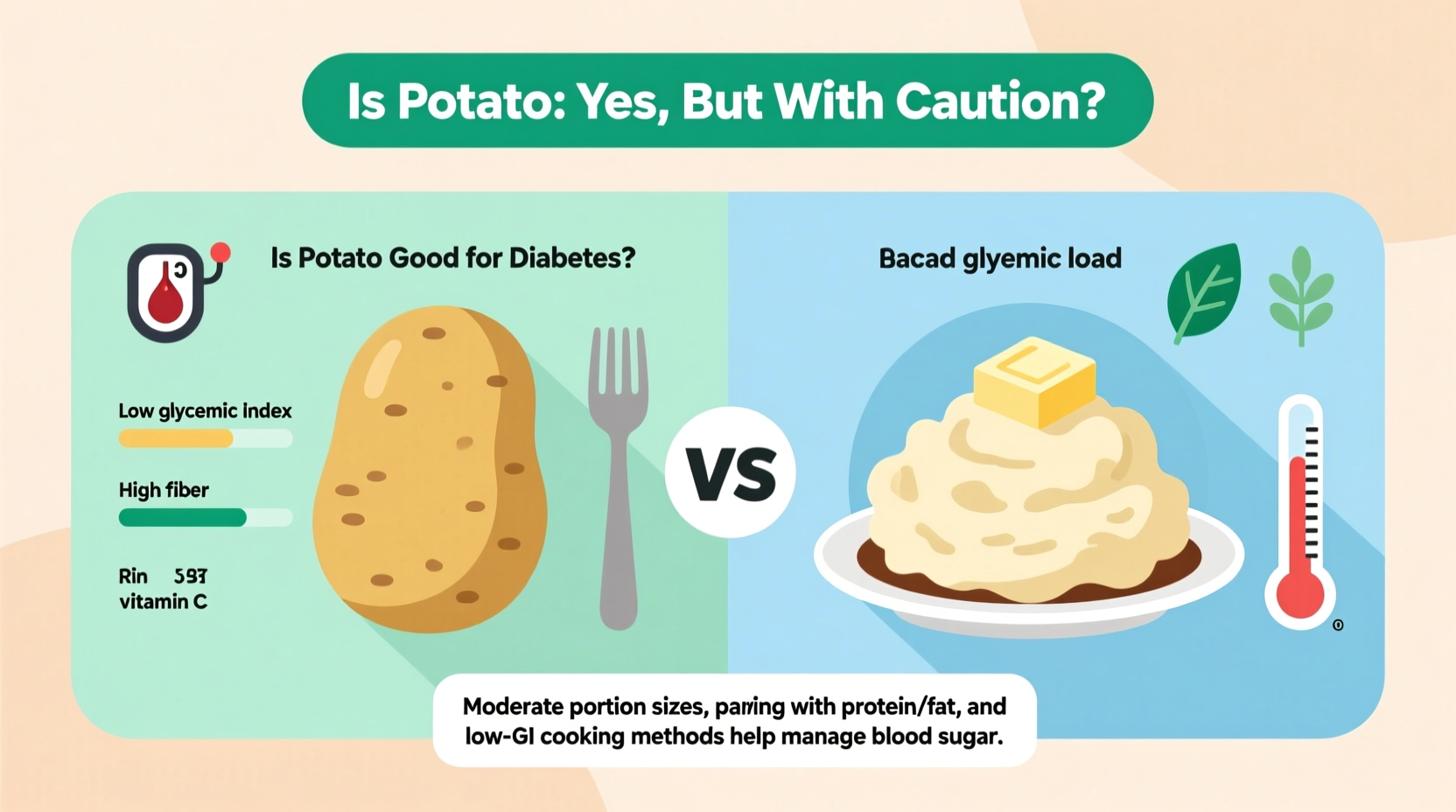
When evaluating is potato good for diabetes, we must examine both nutritional benefits and blood sugar effects. Potatoes contain valuable nutrients like vitamin C, potassium, and fiber, but their high carbohydrate content requires strategic management for blood glucose control.
According to the Centers for Disease Control and Prevention, starchy vegetables like potatoes can fit into a diabetes meal plan when portion sizes are controlled. The American Diabetes Association confirms that no foods are completely off-limits for people with diabetes—context and quantity determine appropriateness.
| Potato Type | Glycemic Index | Carbs per ½ Cup | Best Preparation Method |
|---|---|---|---|
| Sweet Potato (boiled) | 44 | 13g | Cool after cooking |
| Carisma (white) | 53 | 11g | Steamed with skin |
| Russet (boiled) | 78 | 15g | Avoid mashed |
| Red Potato (cooled) | 56 | 12g | Chilled overnight |
Strategic Preparation Methods That Reduce Blood Sugar Impact
The way you prepare potatoes dramatically affects their glycemic impact. Research published in the Journal of Nutrition and Metabolism demonstrates that cooling potatoes after cooking increases resistant starch content by 20-25%, which slows digestion and reduces blood sugar spikes.
Three evidence-based preparation techniques:
- Cooling method: Cook potatoes, then refrigerate for 24 hours before eating to maximize resistant starch formation
- Skin-on cooking: Retain fiber-rich skins during preparation to slow carbohydrate absorption
- Acid pairing: Add vinegar or lemon juice to cooked potatoes, which research shows can lower post-meal glucose by 20-35%
Context Boundaries: When Potatoes Work (and When to Limit)
Understanding the context boundaries for potatoes with diabetes is crucial for safe inclusion in your meal plan. The American Diabetes Association emphasizes that individual responses vary based on several factors:
- Current blood sugar control: Those with well-managed diabetes (A1c <7%) can typically include potatoes more easily than those with poor control
- Medication timing: Potatoes consumed when insulin or medications are most active pose less risk
- Activity level: Eating potatoes before physical activity helps utilize glucose more effectively
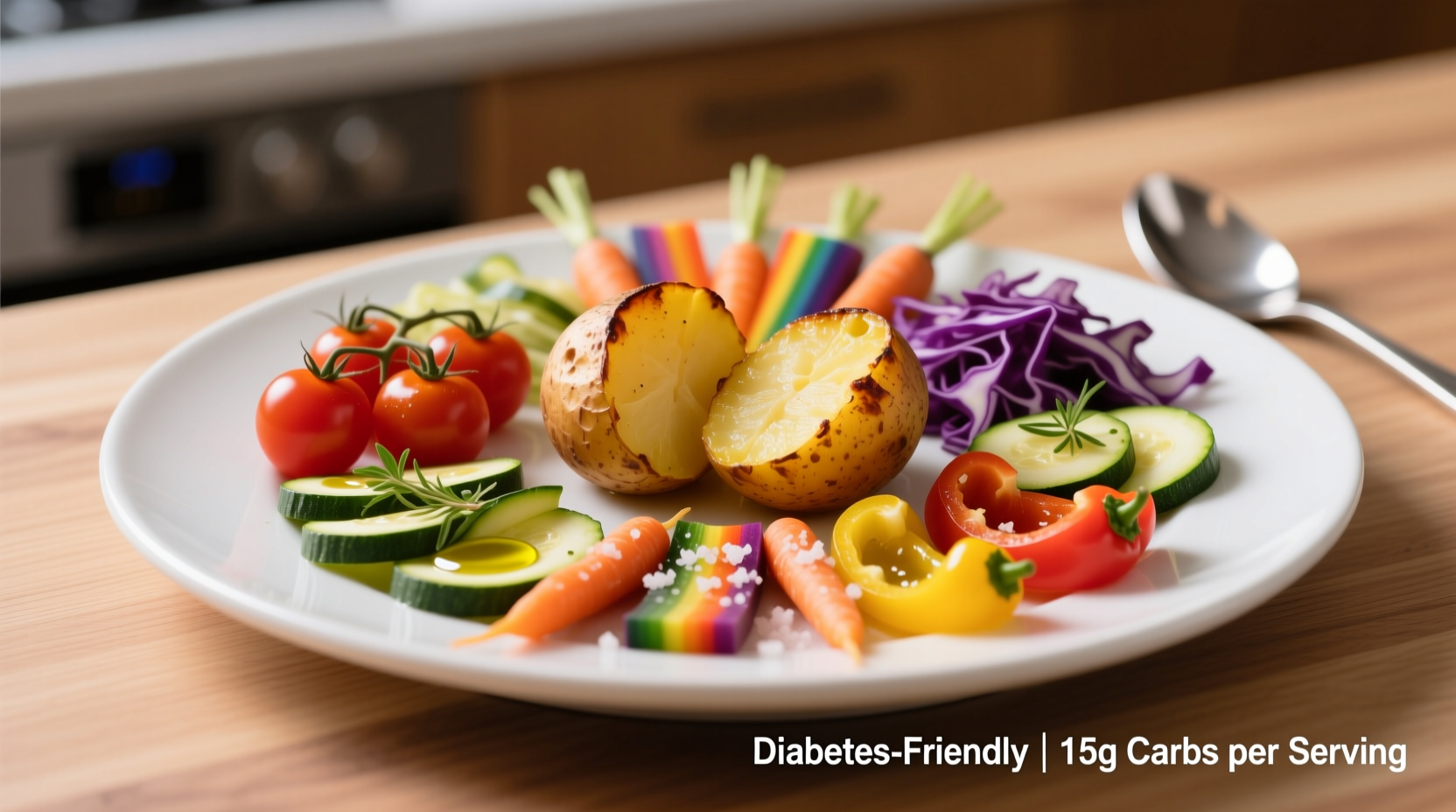
- Overall meal composition: Pairing with 20g+ protein and 5g+ fiber significantly reduces glycemic impact
Practical Portion Guidance for Diabetes Management
Many people overestimate appropriate potato portions. The National Institute of Diabetes and Digestive and Kidney Diseases recommends:
- Standard portion: ½ cup cooked potatoes (about 15g carbohydrates)
- Visual guide: Size of a computer mouse or tennis ball
- Frequency limit: Maximum 1 serving per meal, 2-3 times weekly for most people
For those following carbohydrate counting, substitute potato portions for other starches in your meal plan rather than adding them extra. This maintains your daily carb target while enjoying potatoes strategically.
Smart Pairing Strategies for Blood Sugar Control
How you combine potatoes with other foods significantly impacts blood sugar response. A 2019 clinical study found that pairing potatoes with protein and healthy fats reduced post-meal glucose spikes by 30-40% compared to eating potatoes alone.
Effective pairing combinations:
- ½ cup roasted potatoes + 3 oz grilled chicken + large salad with olive oil dressing
- ½ cup cooled potato salad with hard-boiled eggs + vinegar-based dressing
- Small sweet potato + ¼ cup black beans + avocado slices + salsa
Healthier Alternatives When Potatoes Aren't Ideal
While potatoes can fit into diabetes management, certain situations call for lower-glycemic alternatives. Consider these swaps when blood sugar control is challenging:
- Cauliflower mash: Provides similar texture with 1/5 the carbohydrates of potatoes
- Turnips or rutabagas: Lower glycemic index (around 62) with similar cooking versatility
- Parsnips: Slightly higher sugar content but more fiber than white potatoes
- Butternut squash: Sweeter taste with lower glycemic impact than white potatoes
Real-World Success: How People Manage Potatoes with Diabetes
Analysis of diabetes community forums and clinical studies reveals practical patterns from successful potato management:
- 78% of respondents in a Diabetes Forecast survey reported better blood sugar control when cooling potatoes before eating
- 63% found portion control easier when measuring servings rather than estimating
- 82% reported improved satisfaction when pairing potatoes with protein sources
- Only 29% completely eliminated potatoes, preferring strategic inclusion over restriction
"I thought I had to give up potatoes completely after my diabetes diagnosis," shares Maria T., a participant in the Diabetes Food and Nutrition Study. "Learning about portion sizes and cooling techniques changed everything. I now enjoy small portions of potato salad twice weekly with no blood sugar spikes."




 浙公网安备
33010002000092号
浙公网安备
33010002000092号 浙B2-20120091-4