
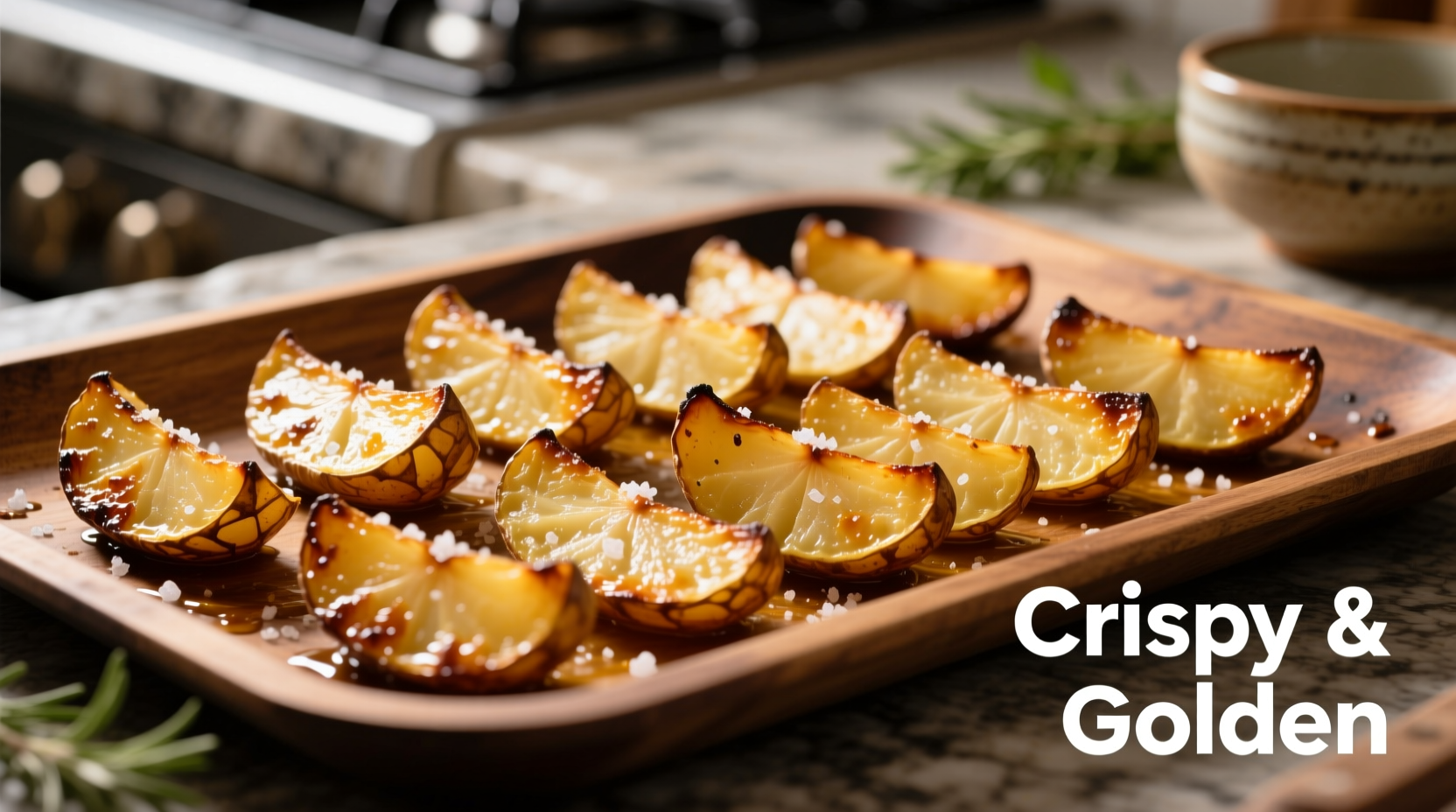
Perfect oven roasted potato slices require thin, even cuts (1/8-inch thick), a 425°F preheated oven, and a 25-30 minute cooking time with one flip halfway through. Toss slices with 1.5 tablespoons oil per pound of potatoes, season simply with salt and pepper, and spread in a single layer on parchment-lined baking sheets for maximum crispiness without flipping.
There's nothing quite like the satisfying crunch of perfectly roasted potato slices fresh from the oven. Forget soggy, uneven results—this method delivers golden-brown, crispy-on-the-outside, tender-on-the-inside potato slices every time, with minimal effort and no special equipment required.
Why Oven Roasting Beats Other Methods
While frying creates crispiness through immersion in hot oil, oven roasting achieves similar results with significantly less fat. The dry heat environment of your oven allows moisture to evaporate from the potato surface while the interior cooks through, creating that coveted textural contrast. Unlike air fryers that require frequent shaking, oven roasting provides hands-off cooking once your slices are properly arranged.
| Potato Variety | Best For | Starch Content | Roasting Time |
|---|---|---|---|
| Russet | Crispy exterior, fluffy interior | High | 25-30 minutes |
| Yukon Gold | Balanced texture, buttery flavor | Medium | 22-27 minutes |
| Red Potatoes | Firm texture, colorful presentation | Low | 28-33 minutes |
| Sweet Potatoes | Sweet flavor, caramelized edges | Medium | 24-29 minutes |
Preparing Potatoes for Optimal Results
Proper preparation makes the difference between mediocre and magnificent roasted potato slices. Start by selecting firm, blemish-free potatoes of uniform size. Russets work best for maximum crispiness due to their high starch content, while Yukon Golds offer a buttery flavor with slightly less crunch.
Wash potatoes thoroughly but don't peel—the skin contains valuable nutrients and helps maintain structure during roasting. Using a mandoline slicer (with guard!) or sharp chef's knife, cut potatoes into 1/8-inch thick slices. Consistent thickness ensures even cooking—varying thickness leads to some slices burning while others remain undercooked.
Soaking sliced potatoes in cold water for 20-30 minutes removes excess surface starch that can cause steaming rather than crisping. After soaking, spread slices on clean kitchen towels and pat thoroughly dry. Moisture is the enemy of crispiness, so take time with this step—damp potatoes will steam instead of roast.
The Science Behind Perfect Roasting
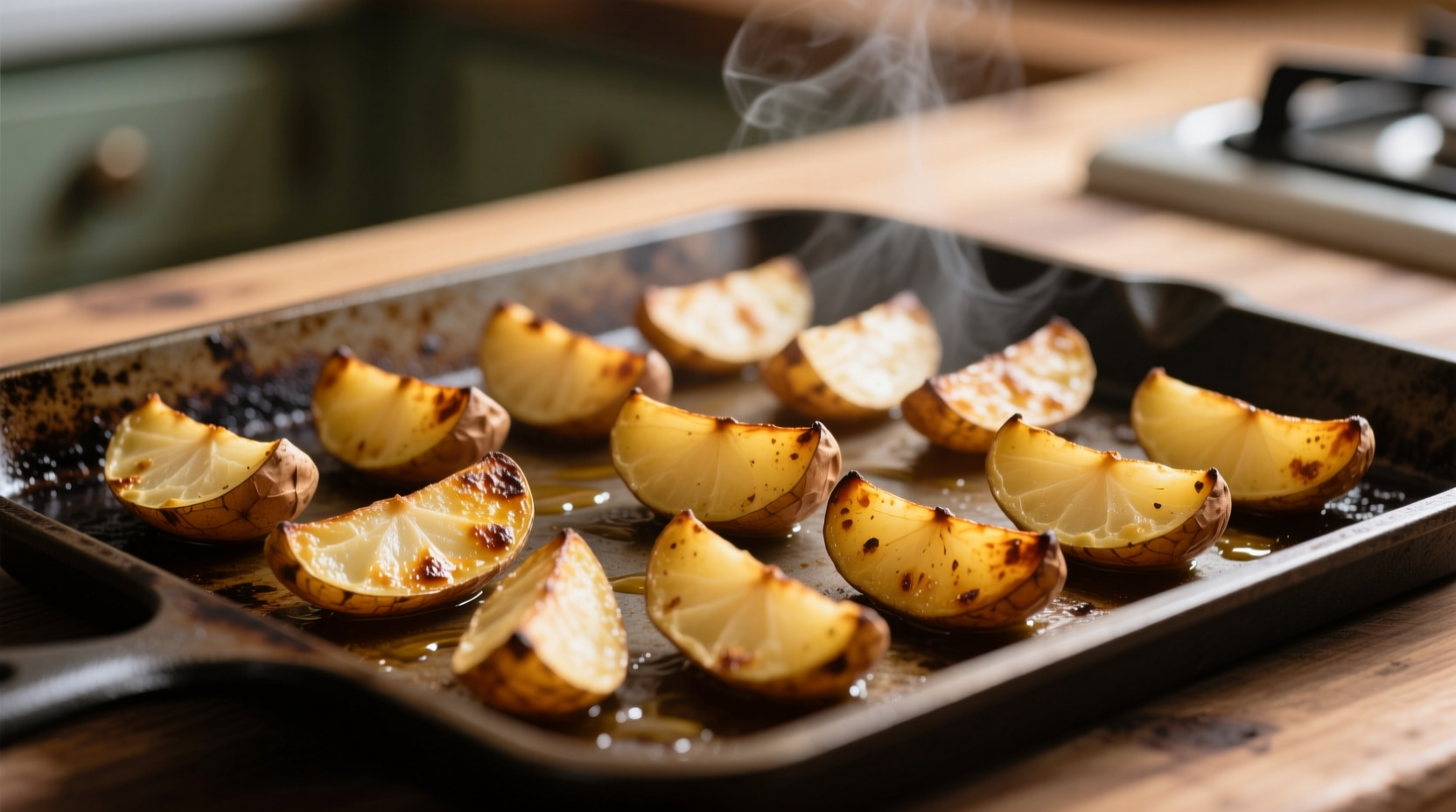
Understanding the chemical processes during roasting helps you achieve consistent results. When potatoes heat above 140°F, enzymes break down pectin, the substance that holds plant cells together. Between 183-201°F, the Maillard reaction creates complex flavors and golden-brown color as amino acids react with reducing sugars.
| Temperature Range | Chemical Process | Resulting Effect |
|---|---|---|
| 140-183°F | Enzyme activity breaks down pectin | Softer texture, easier browning |
| 183-201°F | Maillard reaction begins | Golden color, complex flavors develop |
| 212°F | Water boils off surface | Crisp exterior forms |
| 284°F | Starch gelatinization completes | Fully tender interior |
Seasoning Strategies for Flavorful Results
Keep seasoning simple to let the potato's natural flavor shine. For one pound of potato slices, use 1.5 tablespoons of high-heat oil (avocado, grapeseed, or refined olive oil), 3/4 teaspoon salt, and 1/4 teaspoon freshly ground black pepper. Toss gently in a large bowl until evenly coated—avoid vigorous tossing that might break the delicate slices.
For herb variations, add 1 teaspoon dried rosemary, thyme, or oregano before roasting. Garlic lovers can include 2 minced cloves, but add them during the last 10 minutes of cooking to prevent burning. Remember that seasoning adheres better to dry potato surfaces, so ensure thorough drying after soaking.
Perfect Roasting Technique
Preheat your oven to 425°F with racks positioned in the upper and lower thirds. Line baking sheets with parchment paper (not wax paper, which can melt) and arrange potato slices in a single layer with space between them—overcrowding causes steaming. For best results, use two baking sheets rather than overcrowding one.
Rather than flipping each slice individually, gently lift and turn groups of slices with a thin spatula after 15 minutes. This minimizes breakage while ensuring even browning. Total roasting time typically ranges from 25-30 minutes, depending on thickness and potato variety. Potatoes are done when golden brown with crisp edges and tender centers.
Troubleshooting Common Problems
Soggy potatoes: Usually caused by insufficient drying after soaking or overcrowded baking sheets. Ensure potatoes are thoroughly dried and spaced properly.
Burnt edges: Oven temperature may be too high, or slices are too thin. Verify oven temperature with a separate thermometer and maintain consistent 1/8-inch thickness.
Uneven cooking: Inconsistent slice thickness or uneven oven heat. Use a mandoline for uniform slices and rotate baking sheets halfway through cooking.
Serving and Storage Tips
For maximum crispiness, serve immediately after roasting. If you must hold them, keep in a 200°F oven for no more than 15 minutes. Leftovers store well in an airtight container in the refrigerator for 3-4 days.
Reheat in a 400°F oven for 8-10 minutes rather than microwaving, which creates sogginess. The dry heat of the oven restores crispiness better than any other method. For meal prep, roast potatoes fresh—they don't freeze well due to texture changes from water content.
When Oven Roasting Works Best (and When It Doesn't)
Oven roasting excels for achieving even browning on thin slices with minimal hands-on time. It's ideal for meal prep, entertaining, or when cooking multiple dishes simultaneously. However, for ultra-thin, chip-like slices (less than 1/16-inch), consider a dedicated dehydrator or lower oven temperature (300°F) with longer cooking time to prevent burning.
For large-batch cooking (more than 2 pounds at once), oven roasting becomes less effective as you'll need to use multiple trays, leading to uneven results from varying oven temperatures at different rack positions. In these cases, consider using an air fryer in batches for more consistent results.
Final Tips for Success
Always preheat your oven fully before adding potatoes—starting in a cold oven creates steaming rather than roasting. Use parchment paper instead of aluminum foil, which can cause sticking and uneven heating. For extra crispiness, sprinkle a pinch of cornstarch (about 1/2 teaspoon per pound) with your seasonings before roasting.
Remember that oven temperatures vary significantly between models. Invest in an inexpensive oven thermometer to verify actual temperature, as many ovens run 25-50 degrees hotter or cooler than indicated. This simple tool dramatically improves cooking consistency for oven roasted potato slices and other baked dishes.
How thin should I slice potatoes for oven roasting?
For optimal results, slice potatoes to 1/8-inch thickness using a mandoline slicer or sharp knife. This thickness provides the perfect balance between crisp exterior and tender interior. Thinner slices may burn, while thicker slices won't develop the same level of crispiness.
Why do my roasted potato slices stick to the pan?
Potato slices stick when the surface moisture prevents proper crisping. Ensure potatoes are thoroughly dried after soaking, use parchment paper instead of foil, and avoid flipping too early before the slices have developed a crust (wait until at least 15 minutes into cooking).
Can I roast sweet potato slices using this method?
Yes, but adjust cooking time to 24-29 minutes at 425°F. Sweet potatoes contain more sugar, which caramelizes faster. Watch closely during the last 5 minutes to prevent burning, and consider reducing oven temperature by 25 degrees if your sweet potatoes consistently burn.
How can I make my roasted potato slices crispier?
For extra crispiness, soak slices for 30 minutes to remove surface starch, dry thoroughly, add 1/2 teaspoon cornstarch per pound with seasonings, and ensure proper spacing on the baking sheet. Using a convection oven setting can also improve crispiness by circulating hot air more effectively.




 浙公网安备
33010002000092号
浙公网安备
33010002000092号 浙B2-20120091-4