
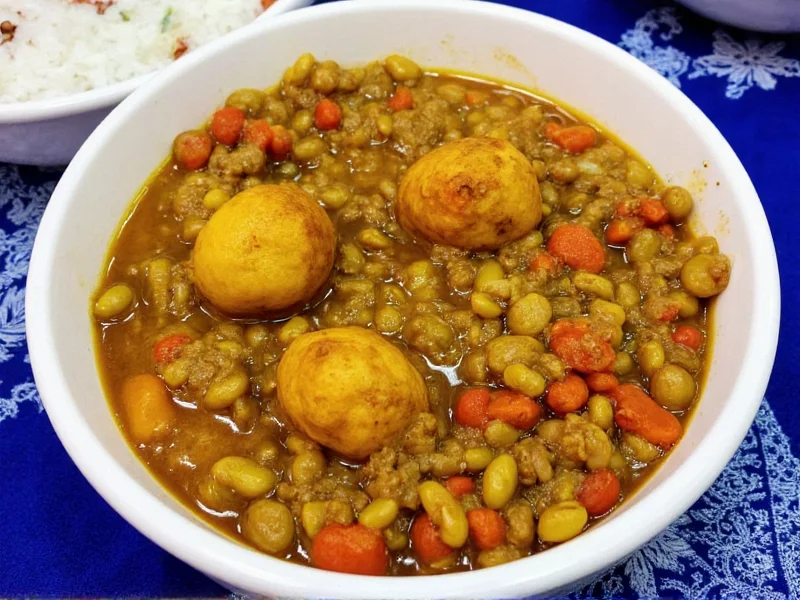
For home cooks seeking authentic Indian flavors, lentil recipes provide accessible entry points into Indian cooking. These dishes form the backbone of Indian vegetarian cuisine, delivering balanced nutrition with plant-based protein, fiber, and essential nutrients. Understanding the different lentil varieties and their proper preparation techniques transforms simple ingredients into complex, satisfying meals.
Understanding Indian Lentils: Types and Uses
Indian cuisine utilizes numerous lentil varieties, each with unique cooking properties and flavor profiles. Selecting the right lentil makes the difference between an authentic dish and a disappointing imitation.
| Lentil Type | Indian Name | Cooking Time | Signature Dishes |
|---|---|---|---|
| Split Yellow Lentils | Moong Dal | 20-25 minutes | Moong Dal Khichdi, Dal Fry |
| Red Lentils | Masoor Dal | 15-20 minutes | Masoor Dal Tadka, Punjabi Dal |
| Black Gram Lentils | Urad Dal | 30-40 minutes | Dal Makhani, Dahi Vada |
| Brown Lentils | Masoor Dal (whole) | 25-30 minutes | Sambar, Dal Tadka |
| Pigeon Peas | Toor Dal | 20-25 minutes | Sambar, Dal Tai |
Historical Evolution of Dal in Indian Cuisine
Dal's culinary journey reflects India's agricultural and cultural evolution across millennia. Archaeological evidence from the Indus Valley Civilization (2500 BCE) confirms lentil cultivation as early dietary staples, while Vedic texts (1500-500 BCE) first documented their medicinal properties in Charaka Samhita. Mughal influences (16th century) introduced rich preparations like dal makhani with dairy, contrasting with South India's tamarind-based sambar documented in 17th-century Tamil literature. Post-independence, regional variations became codified through culinary institutions like the National Institute of Nutrition, which standardized cooking methods while preserving regional authenticity. Modern adaptations balance tradition with convenience, as seen in pressure-cooker techniques reducing dal makhani's preparation from 12 hours to 45 minutes without compromising texture integrity (FAO, 2016).
Regional Variations and Dietary Context
Authentic dal preparation requires understanding India's diverse culinary geography. Regional boundaries dictate ingredient choices and techniques, while dietary needs create preparation constraints:
- North India: Prefers creamy dals (dal makhani) using ghee and dairy; whole black lentils dominate. Avoids coconut and tamarind common in southern regions (Ministry of Tourism, 2023).
- South India: Features tangy sambar with tamarind and curry leaves; toor dal is essential. Coconut oil replaces ghee, and rice is the primary accompaniment.
- Dietary Constraints:
- Vegan versions omit ghee/dairy but require cashew cream instead of dairy cream
- Diabetics benefit from whole lentils' lower glycemic index (ICMR, 2020)
- Gluten-free diets must verify asafoetida purity (some brands contain wheat)
Ignoring these boundaries risks inauthentic results – Punjabi dal tadka with coconut milk would confuse northern palates, while omitting tamarind makes sambar unrecognizable in Tamil Nadu. Always align recipes with regional expectations for genuine flavor profiles.
Essential Ingredients for Authentic Flavor
The magic of Indian lentil recipes happens through proper spice combinations and cooking techniques. While recipes vary regionally, certain elements remain consistent across authentic preparations:
- Tadka (Tempering): Heating oil with spices like cumin seeds, mustard seeds, or asafoetida to release essential oils before adding to cooked lentils
- Base Aromatics: Onions, garlic, ginger, and tomatoes form the flavor foundation in most lentil dishes
- Core Spices: Turmeric for color, coriander for earthiness, cumin for warmth, and red chili for heat
- Finishing Touches: Fresh cilantro, lemon juice, or cream (in richer preparations like dal makhani)
Classic Indian Lentil Recipes for Home Cooks
Dal Tadka: The Quintessential Comfort Food
Dal tadka represents the heart of Indian home cooking—simple yet deeply flavorful. This yellow lentil preparation showcases how minimal ingredients create maximum impact when properly executed.
Ingredients
- 1 cup yellow lentils (moong or toor dal), rinsed
- 3 cups water
- 1 onion, finely chopped
- 2 tomatoes, pureed
- 1-inch ginger, grated
- 2 green chilies, slit
- 2 tbsp ghee or oil
- 1 tsp cumin seeds
- 1/4 tsp asafoetida (hing)
- 1 tsp turmeric powder
- 1 tsp red chili powder
- 1 tbsp coriander powder
- Fresh cilantro for garnish
Preparation Method
- Rinse lentils thoroughly until water runs clear. Combine with 3 cups water, turmeric, and pressure cook for 3-4 whistles or simmer uncovered for 25 minutes until soft.
- Heat ghee in a separate pan. Add cumin seeds and asafoetida; when cumin sizzles, add onions and sauté until golden.
- Add ginger, green chilies, and tomato puree. Cook until oil separates from the mixture.
- Stir in chili powder, coriander powder, and salt. Add cooked lentils and 1 cup water; simmer for 10 minutes.
- Finish with a second tempering (tadka) of ghee with dried red chilies and curry leaves for authentic restaurant-style flavor.
Masoor Dal: Quick Red Lentil Delight
This 30-minute red lentil preparation delivers restaurant-quality results with minimal effort. Masoor dal's quick cooking time makes it ideal for weeknight dinners while maintaining authentic Indian flavors.
Key Technique
The secret to perfect masoor dal lies in the two-stage cooking process: first boiling the lentils with minimal spices, then creating a separate flavor base before combining. This prevents the lentils from becoming mushy while developing complex flavors.
Dal Makhani: The Rich Restaurant Classic
Originating from Punjab, this luxurious black lentil preparation features slow-cooked whole black lentils and red kidney beans in a creamy tomato-based sauce. While traditionally time-consuming, modern adaptations make it accessible for home cooks.
Time-Saving Tip
For authentic dal makhani without the 12-hour soak time: pressure cook soaked black lentils and kidney beans with 1/4 tsp baking soda for 6-7 whistles. The baking soda helps break down the lentils while maintaining texture.
Mastering Indian Lentil Cooking: Essential Techniques
Professional results with authentic indian lentil recipes depend on proper technique rather than expensive ingredients. These time-tested methods transform simple lentils into extraordinary dishes:
The Perfect Tadka (Tempering)
Timing determines whether your tadka enhances or ruins your dish. Add whole spices to hot oil (not smoking hot) and wait until they release fragrance but don't darken. For mustard seeds, wait until they stop popping. For asafoetida, add when oil is hot but before other spices to prevent burning.
Lentil-to-Water Ratios
Maintain proper consistency with these ratios:
- Split lentils: 1 cup lentils to 3 cups water
- Whole lentils: 1 cup lentils to 4 cups water
- For thicker restaurant-style dal: reduce liquid by 1/2 cup and simmer uncovered
- For soupy preparations like sambar: increase liquid by 1 cup
Avoiding Common Mistakes
Even experienced cooks make these errors with traditional indian lentil dishes:
- Over-rinsing: Excessive rinsing removes starch needed for proper texture
- Adding salt too early: Can toughen lentils; add after lentils are partially cooked
- Incorrect heat level: Boiling too vigorously breaks down lentils; maintain gentle simmer
- Skipping the tempering step: Essential for authentic restaurant-style indian lentil recipes
Nutritional Benefits of Indian Lentil Dishes
Indian lentil recipes offer remarkable nutritional profiles that contribute to balanced diets. A single serving (1 cup) of typical dal provides:
- 18-22g plant-based protein
- 15-18g dietary fiber
- Significant iron, folate, and magnesium
- Naturally gluten-free and vegan-friendly
- Low glycemic index for sustained energy
When served with rice or Indian breads, lentil dishes create complete protein profiles through complementary amino acids. The addition of tomatoes and spices like turmeric enhances antioxidant content significantly.
Serving Suggestions and Pairings
Authentic Indian meals balance flavors and textures through strategic pairings. Complement your lentil dishes with:
- Rice: Basmati rice (plain or jeera rice) provides neutral base for flavorful dals
- Breads: Roti, naan, or paratha for scooping up lentils
- Accompaniments: Raita (yogurt sauce), pickles, and papadum for contrast
- Seasonal: Steamed vegetables or simple stir-fries for balanced meal
Storage and Leftover Tips
Indian lentil recipes often taste better the next day as flavors continue to develop. For optimal results:
- Cool completely before refrigerating in airtight containers
- Store for up to 5 days in refrigerator or freeze for 3 months
- Reheat with 2-3 tbsp water to restore proper consistency
- Add fresh tempering before serving leftovers for restaurant-quality results




 浙公网安备
33010002000092号
浙公网安备
33010002000092号 浙B2-20120091-4