
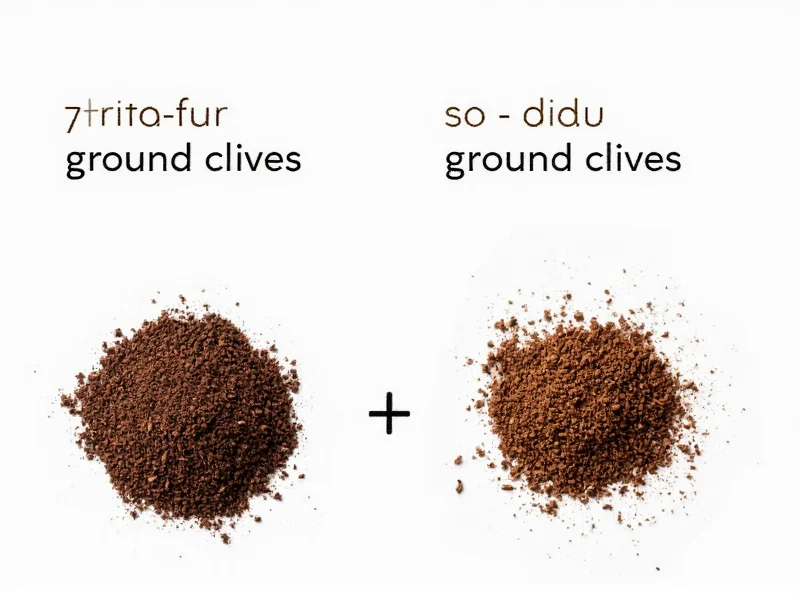
When you're in the middle of baking or cooking and realize you've run out of ground cloves, knowing reliable substitutes can save your recipe. Ground cloves have a distinctive warm, sweet, and slightly pungent flavor that's essential in many spice blends, baked goods, and savory dishes. Understanding proper substitutions ensures your culinary creations maintain their intended flavor profile without compromising quality.
Understanding Clove Flavor Characteristics
Ground cloves come from dried flower buds of the Syzygium aromaticum tree and deliver a complex flavor profile that's simultaneously sweet, warm, slightly bitter, and intensely aromatic. Their unique chemical composition—particularly high eugenol content—creates that signature clove taste that's difficult to perfectly replicate. When substituting, you're aiming to match either the warmth (for baking) or the pungency (for savory dishes), depending on your recipe's requirements.
Top Substitutes for Ground Cloves
Not all substitutes work equally well across different recipes. The best alternative depends on whether you're making sweet or savory dishes, and what other spices are already in your recipe.
| Substitute | Ratio (vs 1 tsp cloves) | Best For | Flavor Notes |
|---|---|---|---|
| Allspice | 3/4 tsp | Baking, mulled wines, meat rubs | Clove-cinnamon-nutmeg blend flavor |
| Cinnamon + Nutmeg | 1/2 tsp cinnamon + 1/4 tsp nutmeg | Pies, cookies, cakes | Softer, sweeter profile |
| Pumpkin Pie Spice | 1 tsp | Fall baking, custards | Pre-blended convenience |
| Cardamom | 1/2 tsp | Indian/Middle Eastern dishes | Citrusy, floral alternative |
| Mace | 1 tsp | Savory sauces, cheese dishes | Milder clove-like flavor |
Detailed Substitution Guide
Allspice: The Closest Single-Ingredient Substitute
Allspice works as the most direct ground cloves replacement in recipes because it naturally contains clove-like compounds along with cinnamon and nutmeg notes. Use 3/4 teaspoon of allspice for every teaspoon of ground cloves required. This substitution shines in ground cloves substitute for meat dishes like ham glazes, beef stews, and Middle Eastern spice blends. For baking applications like gingerbread or spiced cakes, allspice provides the necessary warmth without overwhelming the other flavors.
Cinnamon-Nutmeg Blend: Ideal for Sweet Applications
When you need a substitute for ground cloves in baking, particularly for desserts, combine 1/2 teaspoon cinnamon with 1/4 teaspoon nutmeg to replace 1 teaspoon of ground cloves. This combination mimics cloves' warmth while adding complementary flavors that work exceptionally well in apple pie, pumpkin bread, and other fall desserts. The cinnamon provides sweetness while nutmeg contributes the slight pungency that makes cloves distinctive.
Pumpkin Pie Spice: Convenient Pantry Alternative
If you have pumpkin pie spice on hand, it makes an excellent clove spice alternative for pumpkin bread and other autumnal baked goods. Use a 1:1 ratio (1 teaspoon pumpkin pie spice for 1 teaspoon ground cloves). Most commercial pumpkin pie spice blends contain approximately 50% cinnamon, 25% ginger, 15% nutmeg, and 10% cloves, making them a balanced substitute that maintains the intended flavor profile without requiring multiple spice measurements.
Specialized Substitutions by Recipe Type
For Baking: Apple Pie and Fruit Desserts
When making how to substitute ground cloves in apple pie, use a combination of 1/4 teaspoon cinnamon and 1/8 teaspoon allspice per 1/4 teaspoon of cloves called for. The allspice provides the necessary depth while cinnamon complements the fruit flavors. Avoid using straight cinnamon alone, as it lacks the complexity that cloves contribute to fruit-based desserts.
For Savory Dishes: Curries and Meat Preparations
In Indian cuisine where cloves are essential, the best clove powder replacement in Indian cuisine is a combination of cardamom and a tiny pinch of cayenne (1/4 teaspoon cardamom + 1/16 teaspoon cayenne per 1/4 teaspoon cloves). This maintains the warm base notes while adding the subtle heat that cloves provide in masala blends. For Western savory applications like braises or roasts, use mace at a 1:1 ratio as it has similar chemical compounds without the intense sweetness of cloves.
For Beverages: Mulled Wines and Ciders
When creating ground cloves alternative for mulled wine, star anise works surprisingly well. Use 1 whole star anise per 1/4 teaspoon of ground cloves called for in the recipe. The licorice notes complement the other spices while providing similar warming properties. Alternatively, a combination of 1/8 teaspoon allspice berries and 1/8 teaspoon cinnamon sticks can replace 1/4 teaspoon ground cloves in hot beverage recipes.
Substitution Pitfalls to Avoid
Certain common substitutions can throw off your recipe's flavor balance. Avoid using straight cinnamon as a 1:1 replacement for cloves, as it lacks the necessary complexity and can make dishes overly sweet. Similarly, don't substitute ground cloves with clove oil unless specifically directed—you'd need just 1-2 drops of oil to replace 1 teaspoon of ground cloves, and it's easy to overdo it.
When making what to use instead of ground cloves in cookies, be cautious with nutmeg-heavy substitutions as too much nutmeg can create a medicinal flavor. Stick to the recommended ratios and consider reducing other warm spices in your recipe by 1/8 teaspoon when substituting for cloves to maintain balance.
Creating Your Own Custom Spice Blends
For frequent cooking needs, consider making a small batch of homemade pumpkin pie spice as a versatile ground cloves replacement in recipes. Combine 4 tablespoons cinnamon, 2 tablespoons ginger, 1 tablespoon nutmeg, and 1 tablespoon ground cloves in an airtight container. When you run out of cloves, simply omit them from this blend and use the remaining spices at a 1:1 ratio for recipes calling for cloves.
Storage Tips for Substitutes
Remember that spice potency diminishes over time. For accurate ground cloves substitute for meat dishes or baking, use fresh spices (within 6-12 months of purchase). Test older spices by rubbing a small amount between your fingers—if the aroma is weak, you'll need to slightly increase the substitution amounts to achieve the desired flavor intensity.




 浙公网安备
33010002000092号
浙公网安备
33010002000092号 浙B2-20120091-4