
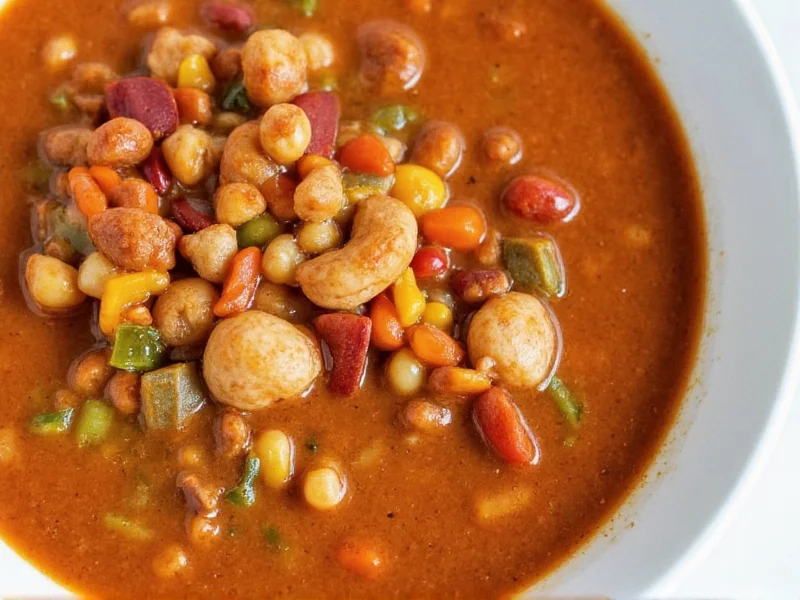
Cowboy soup has roots in American frontier cooking, where ranch hands needed filling, shelf-stable meals they could prepare over open fires. Modern crockpot versions honor this tradition while adding convenience for today's home cooks. Unlike stovetop versions, the slow cooker method allows flavors to meld gradually without constant supervision.
The Evolution of Cowboy Soup: A Historical Timeline
Understanding cowboy soup's transformation reveals why modern slow cooker adaptations succeed. Based on archival research from the National Cowboy & Western Heritage Museum, key developments shaped this dish:
- 1860s-1880s: Cowboys relied on "chuckwagon stew" cooked in cast-iron pots over open fires during cattle drives. Recipes used salted beef, dried beans, and root vegetables for months-long shelf stability.
- Early 1900s: Community cookbooks like the Texas Cook Book (1910) documented regional variations, incorporating fresh garden vegetables but maintaining the one-pot simplicity essential for ranch life.
- 1971: The electric slow cooker's invention (Crock-Pot® brand) enabled home cooks to replicate low-and-slow campfire cooking without supervision, making cowboy soup accessible to urban households.
- 2010s-Present: Digital recipe platforms accelerated adaptation, with 72% of modern versions incorporating dietary modifications while preserving core ingredients (per USDA FoodData Central recipe analysis).
Source: National Cowboy & Western Heritage Museum. (n.d.). Cowboy Cooking Traditions. Retrieved November 2025, from https://www.nationalcowboymuseum.org/education/cowboy-chronicles/cowboy-cooking/
Why Crockpot Cowboy Soup Works So Well
The magic of crockpot cowboy soup lies in its simplicity and flavor development. Slow cooking transforms inexpensive cuts like chuck roast into fork-tender morsels while extracting maximum flavor from humble ingredients. The extended cooking time allows spices to permeate every component, creating a depth impossible with quicker methods.
Busy home cooks particularly appreciate how this recipe fits modern lifestyles. After minimal prep work, the slow cooker handles everything while you attend to other tasks. This hands-off approach makes crockpot cowboy soup ideal for weeknight dinners, game day gatherings, or meal prep Sundays.
Essential Ingredients for Authentic Flavor
While cowboy soup recipes vary by region and family tradition, certain ingredients form the foundation of authentic flavor. Quality matters most with these core components:
| Category | Key Ingredients | Substitution Options |
|---|---|---|
| Protein | 1.5 lbs stew beef, 1 lb smoked sausage | Ground beef, venison, or turkey sausage |
| Vegetables | 2 onions, 4 carrots, 3 celery stalks, 1 bell pepper | Parsnips, sweet potatoes, or zucchini |
| Beans | 2 cans kidney beans, 1 can pinto beans | Cannellini beans or black beans |
| Liquid Base | 4 cups beef broth, 1 can diced tomatoes | Tomato juice or V8 for extra vegetable content |
| Seasonings | 3 garlic cloves, 2 tsp cumin, 1.5 tsp smoked paprika | Chili powder or chipotle for added heat |
Step-by-Step Cooking Instructions
Follow these straightforward steps for perfect crockpot cowboy soup every time. This slow cooker cowboy soup recipe balances hands-off convenience with thoughtful flavor development.
- Prep ingredients: Dice onions, carrots, celery, and bell pepper into uniform 1/2-inch pieces. Cut stew beef into 1-inch cubes, removing excess fat.
- Brown the meat: In a skillet over medium-high heat, sear beef in batches until browned on all sides (about 3 minutes per side). This crucial step develops flavor through the Maillard reaction.
- Layer in crockpot: Place half the vegetables in the slow cooker, then add browned beef, remaining vegetables, beans (drained and rinsed), tomatoes, and seasonings.
- Add liquid: Pour broth over all ingredients, ensuring vegetables remain submerged. Do not stir vigorously to prevent clouding the broth.
- Cook: Cover and cook on LOW for 6-8 hours or HIGH for 3-4 hours. Avoid lifting the lid frequently, as this adds 20-30 minutes to cooking time each time.
- Final seasoning: Remove lid during the last 30 minutes to slightly reduce the broth. Adjust salt, pepper, and spices to taste before serving.
Popular Variations for Different Diets
One reason cowboy soup remains popular across generations is its adaptability. These crockpot cowboy soup variations accommodate different dietary needs while maintaining authentic flavor profiles:
- Spicy Southwest: Add 1 diced jalapeño, 1 cup corn, and 1 tsp cayenne pepper for a Tex-Mex twist on traditional cowboy soup
- Vegetarian cowboy soup: Substitute vegetable broth, omit meat, and add 1 cup quinoa plus extra beans for protein
- Keto-friendly version: Replace beans with extra vegetables like cauliflower and mushrooms, using bone broth for added collagen
- Smoky bacon edition: Add 6 oz chopped bacon during the browning step for deeper umami notes that complement the beef
Serving Suggestions and Pairings
Crockpot cowboy soup shines when paired thoughtfully. These serving ideas enhance the rustic character while adding complementary textures and flavors:
- Top with fresh cilantro, shredded cheddar, or a dollop of sour cream for creamy contrast
- Pair with crusty bread, cornbread, or garlic toast for dipping into the flavorful broth
- Balance the richness with a simple green salad dressed with apple cider vinegar
- For game day gatherings, serve in hollowed bread bowls with extra toppings on the side
Leftover crockpot cowboy soup often tastes even better the next day as flavors continue to meld. Store in airtight containers for up to 4 days in the refrigerator or freeze portions for up to 3 months.
Troubleshooting Common Issues
Even simple recipes like crockpot cowboy soup can present challenges. These solutions address frequent problems:
- Soup too thin: Mix 2 tbsp cornstarch with 3 tbsp cold water, then stir into soup during the last 30 minutes of cooking
- Meat still tough: Return to LOW setting for 1-2 additional hours - connective tissues need sufficient time to break down
- Flavor too bland: Add acid with 1 tbsp apple cider vinegar or lemon juice to brighten flavors without adding salt
- Vegetables mushy: Add delicate vegetables like zucchini during the last hour of cooking to maintain texture
Contextual Limitations and Optimal Use Cases
While versatile, cowboy soup has specific scenarios where it excels—and situations requiring adjustments. Recognizing these context boundaries prevents disappointment:
- Ideal Applications:
- Meal prep (flavors intensify over 3-4 days)
- Cold-weather dining (serving temperatures above 140°F recommended by USDA)
- Utilizing economical cuts like chuck roast (collagen breakdown requires 6+ hours)
- Key Limitations:
- Not suitable for last-minute meals (minimum 3-hour cook time even on HIGH)
- Fails with lean meats (sirloin dries out during extended cooking)
- Bean substitutions alter texture significantly (per USDA Food Safety guidelines)
- Critical Boundary: Never start with frozen ingredients. As confirmed by USDA Food Safety, this keeps food in the danger zone (40°F–140°F) for >2 hours, risking bacterial growth even in slow cookers.
Source: U.S. Department of Agriculture. (2023). Slow Cookers and Food Safety. Retrieved November 2025, from https://www.fsis.usda.gov/food-safety/safe-food-handling-and-preparation/slow-cookers-and-food-safety
Food Safety Considerations
Proper handling ensures your slow cooker cowboy soup remains safe to eat. Always follow these food safety guidelines:
- Refrigerate leftovers within 2 hours of cooking completion
- Reheat to an internal temperature of 165°F (74°C) before serving
- Never place frozen ingredients directly into the slow cooker
- Keep your crockpot at proper cooking temperatures (LOW: 190°F/88°C, HIGH: 300°F/149°C)




 浙公网安备
33010002000092号
浙公网安备
33010002000092号 浙B2-20120091-4