
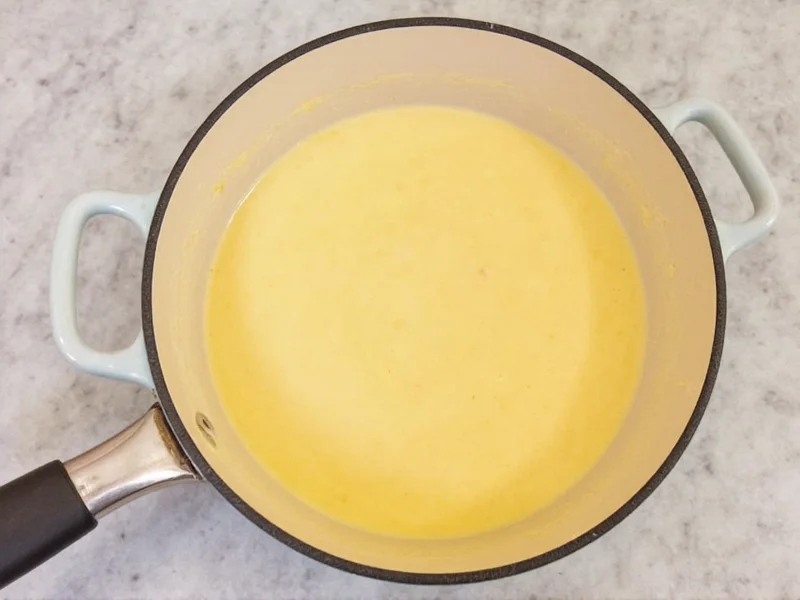
When your potato soup turns out too thin, it can feel disappointing after all that cooking effort. The good news is there are multiple reliable techniques to achieve that perfect creamy consistency without compromising flavor. Whether you're making classic creamy potato soup, loaded baked potato soup, or a dairy-free version, understanding the science behind thickening helps you choose the right method for your specific situation.
Why Potato Soup Becomes Too Thin
Potato soup often ends up thinner than desired due to several factors: using too much broth, undercooking the potatoes, selecting waxy potato varieties that don't break down easily, or adding liquid ingredients that dilute the base. Potatoes naturally contain starch that thickens soup as they cook, but sometimes this isn't sufficient for that restaurant-quality texture you're seeking.
7 Proven Methods to Thicken Potato Soup
1. Create a Classic Roux
A roux—equal parts fat and flour cooked together—is one of the most reliable ways to thicken potato soup without altering its fundamental flavor profile. For best results with how to thicken creamy potato soup:
- Melt 2 tablespoons of butter in a separate pan
- Add 2 tablespoons of all-purpose flour
- Cook for 1-2 minutes until golden but not browned
- Gradually whisk in ½ cup of your soup broth until smooth
- Stir this mixture back into your main pot of soup
- Simmer for 5-10 minutes until desired thickness is achieved
This method works exceptionally well for how to fix runny potato soup that needs substantial thickening while maintaining a smooth texture.
2. Blend a Portion of the Soup
One of the purest methods for how to thicken potato soup without flour involves using your immersion blender strategically:
- Remove about one-third of your soup (primarily potatoes and minimal broth)
- Blend until completely smooth
- Return the blended mixture to the pot
- Stir well and simmer for 5 minutes
This technique preserves all original flavors while creating that desirable creamy texture. It's particularly effective for rustic potato soup recipes where you want to maintain some whole potato pieces.
3. Use Potato Starch for Authentic Thickening
Potato starch is the ideal thickener when you want to enhance rather than mask potato flavor. For how to thicken potato soup without changing flavor:
- Peel and grate 1 raw potato
- Rinse the grated potato in cold water to extract starch
- Collect the starchy water and let it settle
- Pour off the water, keeping the white starch sediment
- Mix starch with equal parts cold water to create a slurry
- Whisk slurry into simmering soup
- Cook for 2-3 minutes until thickened
This method provides the most authentic potato flavor enhancement while thickening your soup naturally.
4. Cornstarch Slurry for Quick Results
When you need immediate thickening for homemade potato soup too thin fix, cornstarch works faster than flour:
- Mix 1 tablespoon cornstarch with 2 tablespoons cold water
- Whisk slurry into simmering soup
- Wait 2-3 minutes for thickening to occur
- Repeat with additional slurry if needed
Cornstarch creates a clearer, glossier finish than flour and requires less quantity. Be careful not to boil vigorously after adding, as this can break down the thickening properties.
5. Incorporate Dairy Products
Dairy adds both thickness and richness to potato soup. The best options include:
- Heavy cream: Adds luxurious texture (¼-½ cup)
- Sour cream: Provides tangy thickness (⅓ cup)
- Cheese: Sharp cheddar melts into a natural thickener
- Cream cheese: Creates ultra-creamy texture (2-4 oz)
For dairy-free alternatives, try coconut milk or cashew cream. Always add dairy gradually while the soup is off direct heat to prevent curdling.
6. Simmer to Reduce Liquid
Sometimes the simplest solution for how to thicken potato soup without adding ingredients is time:
- Bring soup to a gentle simmer (not a rolling boil)
- Cover partially to allow evaporation
- Stir occasionally to prevent sticking
- Simmer for 15-25 minutes until reduced to desired consistency
This method concentrates flavors while thickening, but requires patience. It works best when your soup is only slightly too thin.
7. Add Breadcrumbs or Crackers
For a quick fix that adds interesting texture, try these pantry staples:
- Crumble 2-3 plain crackers directly into the soup
- Add 2 tablespoons of dry breadcrumbs
- Stir in crushed potato chips for flavor variation
This method works surprisingly well for natural ways to thicken potato soup when you've run out of traditional thickeners. The starch in the bread products absorbs excess liquid while adding subtle flavor.
| Thickening Method | Best For | Time Required | Flavor Impact | Texture Result |
|---|---|---|---|---|
| Roux | Creamy soups needing substantial thickening | 10-15 minutes | Neutral | Smooth, velvety |
| Blending | Maintaining pure potato flavor | 5 minutes | None | Creamy with some texture |
| Potato Starch | Authentic potato flavor enhancement | 5 minutes | Enhances potato flavor | Silky smooth |
| Cornstarch | Quick fixes with clear finish | 3-5 minutes | Neutral | Glossy, translucent |
| Dairy Products | Creamy, rich soups | 2-3 minutes | Rich, creamy notes | Luxurious, velvety |
Avoiding Common Thickening Mistakes
When attempting how to thicken potato soup, watch out for these pitfalls:
- Adding thickeners to boiling soup - Always mix with cold liquid first and add to simmering (not boiling) soup
- Over-thickening - It's easier to add more thickener than to thin an over-thickened soup
- Not cooking out raw flour taste - If using flour-based thickeners, simmer at least 5 minutes
- Adding cold dairy to hot soup - Temper dairy by mixing with warm soup first
- Using too much starch - Start with small amounts and build gradually
Preventing Thin Soup in Future Batches
The best approach for how to thicken potato soup is prevention. Next time:
- Use starchy potato varieties like Russets or Yukon Golds
- Cook potatoes until very tender before adding liquid
- Reserve some cooked potatoes to blend later for thickness
- Start with less broth—you can always add more
- Consider adding a peeled, grated raw potato to simmer with the soup




 浙公网安备
33010002000092号
浙公网安备
33010002000092号 浙B2-20120091-4