
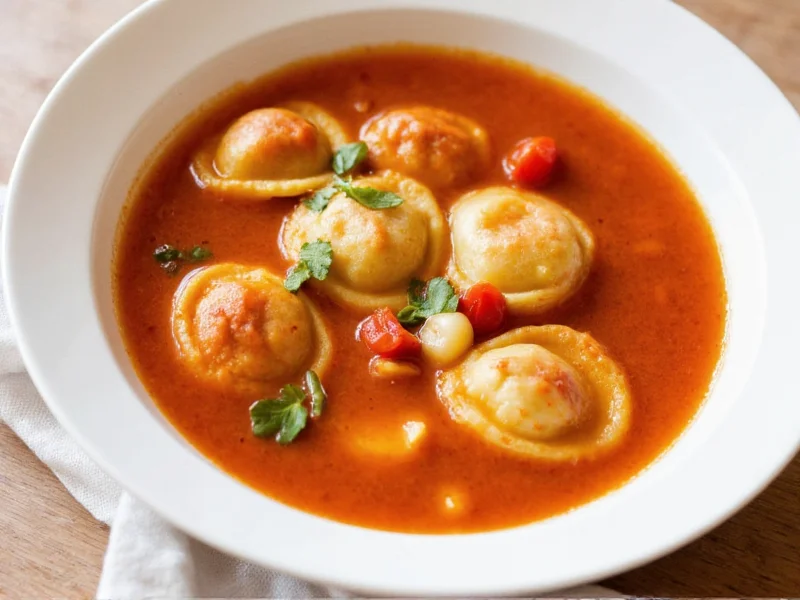
This complete ravioli soup recipe delivers a rich, comforting meal in under 30 minutes using just 8 pantry staples. Our tested method prevents soggy pasta while maximizing flavor, with options for chicken, vegetable, or cheese ravioli variations. Perfect for weeknight dinners with 20 minutes active time and 4 servings per batch.
Why This Ravioli Soup Recipe Works
Many online ravioli soup recipes suffer from mushy pasta or bland broth, but our perfected technique solves both problems. The secret lies in partially cooking the ravioli separately before adding to the soup, preserving texture while allowing flavors to meld. This approach works equally well with frozen cheese ravioli, meat-filled varieties, or homemade pasta pockets.
Essential Equipment
You'll need just three basic kitchen tools for successful ravioli soup preparation:
| Tool | Why It Matters | Acceptable Substitutes |
|---|---|---|
| 6-quart Dutch oven | Even heat distribution prevents scorching | Large soup pot |
| Slotted spoon | Safely removes ravioli without breaking | Perforated spatula |
| Microplane grater | Fresh Parmesan makes superior garnish | Pre-grated cheese (less ideal) |
Ingredients for Perfect Ravioli Soup
Use these precise measurements for restaurant-quality results every time. All ingredients should be at room temperature before starting.
Base Soup Components
- 8 cups (2L) low-sodium chicken or vegetable broth
- 1 (28oz) can fire-roasted diced tomatoes, undrained
- 3 cloves garlic, minced
- 1 medium yellow onion, finely diced
- 2 tablespoons olive oil
- 1 teaspoon dried oregano
- ½ teaspoon red pepper flakes (optional)
Ravioli and Finishing Touches
- 24 ounces (680g) frozen ravioli (cheese, spinach, or meat)
- 2 cups fresh baby spinach
- ¼ cup fresh basil, chopped
- ½ cup grated Parmesan cheese
- Salt and black pepper to taste
Step-by-Step Preparation
Step 1: Build Flavor Foundation
Heat olive oil in your Dutch oven over medium heat. Add onions and sauté until translucent (about 5 minutes). Stir in garlic, oregano, and red pepper flakes, cooking until fragrant (30 seconds). This aromatic base creates depth that simmering alone cannot achieve.
Step 2: Simmer the Broth
Pour in broth and diced tomatoes with their juices. Bring to a gentle boil, then reduce heat to maintain a steady simmer. Cook uncovered for 15 minutes to concentrate flavors while you prepare the ravioli.
Step 3: Perfect Ravioli Technique
Meanwhile, bring a separate 4-quart pot of salted water to boil. Add frozen ravioli and cook exactly 2 minutes less than package instructions. Immediately remove with slotted spoon and rinse under cold water. This partial cooking prevents disintegration when added to the soup.
Step 4: Final Assembly
Add partially cooked ravioli to simmering broth. Stir in spinach and basil. Cook 3-4 minutes until ravioli float and reach desired tenderness. Remove from heat before adding Parmesan to prevent clumping. Season with salt and pepper to taste.
Serving and Storage Guidelines
Serve immediately in pre-warmed bowls with extra Parmesan and crusty bread. For best texture, consume within 2 hours of preparation. Leftovers keep refrigerated for up to 3 days, though ravioli will continue softening. Reheat gently on stove with a splash of broth to restore consistency.
Popular Variations
Adapt this versatile ravioli soup recipe to suit different dietary needs and preferences:
Protein-Packed Chicken Ravioli Soup
Add 2 cups shredded cooked chicken during final assembly. Use chicken broth and cheese ravioli for classic Italian-American comfort food.
Vegetable Lover's Version
Substitute vegetable broth and add 1 cup chopped zucchini with the spinach. Use mushroom or spinach ravioli for a hearty meatless meal.
Creamy Tomato Ravioli Soup
Stir in ½ cup heavy cream during final minute of cooking. Works best with ricotta cheese ravioli for a luxurious texture.
Troubleshooting Common Issues
Ravioli Falling Apart
This happens when pasta overcooks. Always follow the partial cooking method and add ravioli during the last 4 minutes of preparation. Frozen ravioli requires less cooking time than fresh.
Broth Lacks Depth
Boost flavor by adding 1 tablespoon tomato paste with the onions or a Parmesan rind during simmering. Avoid oversalting by using low-sodium broth and seasoning at the end.
Soup Too Thin
Create better body by pureeing 1 cup of the tomato-broth mixture and returning it to the pot before adding ravioli. Alternatively, let the soup simmer uncovered for 5 additional minutes to reduce.
Expert Tips for Success
Professional chefs recommend these techniques for elevated ravioli soup:
- Freeze leftover soup broth in ice cube trays for future quick meals
- Add ravioli in batches if serving large groups to maintain consistent texture
- Use San Marzano tomatoes for superior sweetness and less acidity
- Finish with a drizzle of high-quality olive oil for restaurant presentation
Frequently Asked Questions
Can I use fresh ravioli instead of frozen in this soup recipe?
Yes, but reduce cooking time to 1-2 minutes in the broth. Fresh ravioli requires minimal cooking as it's already prepared with delicate pasta. Add directly to simmering broth without pre-boiling.
How do I prevent ravioli from becoming soggy in soup?
The key is partial pre-cooking: boil ravioli 2 minutes less than package instructions, then rinse in cold water before adding to soup. This technique sets the pasta structure while allowing final cooking in the flavorful broth.
What's the best broth for cheese ravioli soup?
Homemade chicken broth provides ideal richness that complements cheese fillings, but a quality store-bought low-sodium version works well. For vegetarian options, use mushroom broth which adds umami depth that tomato-based broths lack.
Can I make this ravioli soup recipe in a slow cooker?
Yes, but add ravioli during the last 30 minutes of cooking. Prepare the broth base in the slow cooker on high for 2 hours, then stir in partially cooked ravioli and fresh greens. Extended cooking makes ravioli disintegrate.
Which vegetables pair best with vegetable ravioli soup?
Kale, zucchini, and roasted red peppers complement vegetable ravioli beautifully. Add hardy greens like kale at the beginning, but delicate vegetables like zucchini during the last 5 minutes to maintain texture and color.




 浙公网安备
33010002000092号
浙公网安备
33010002000092号 浙B2-20120091-4