
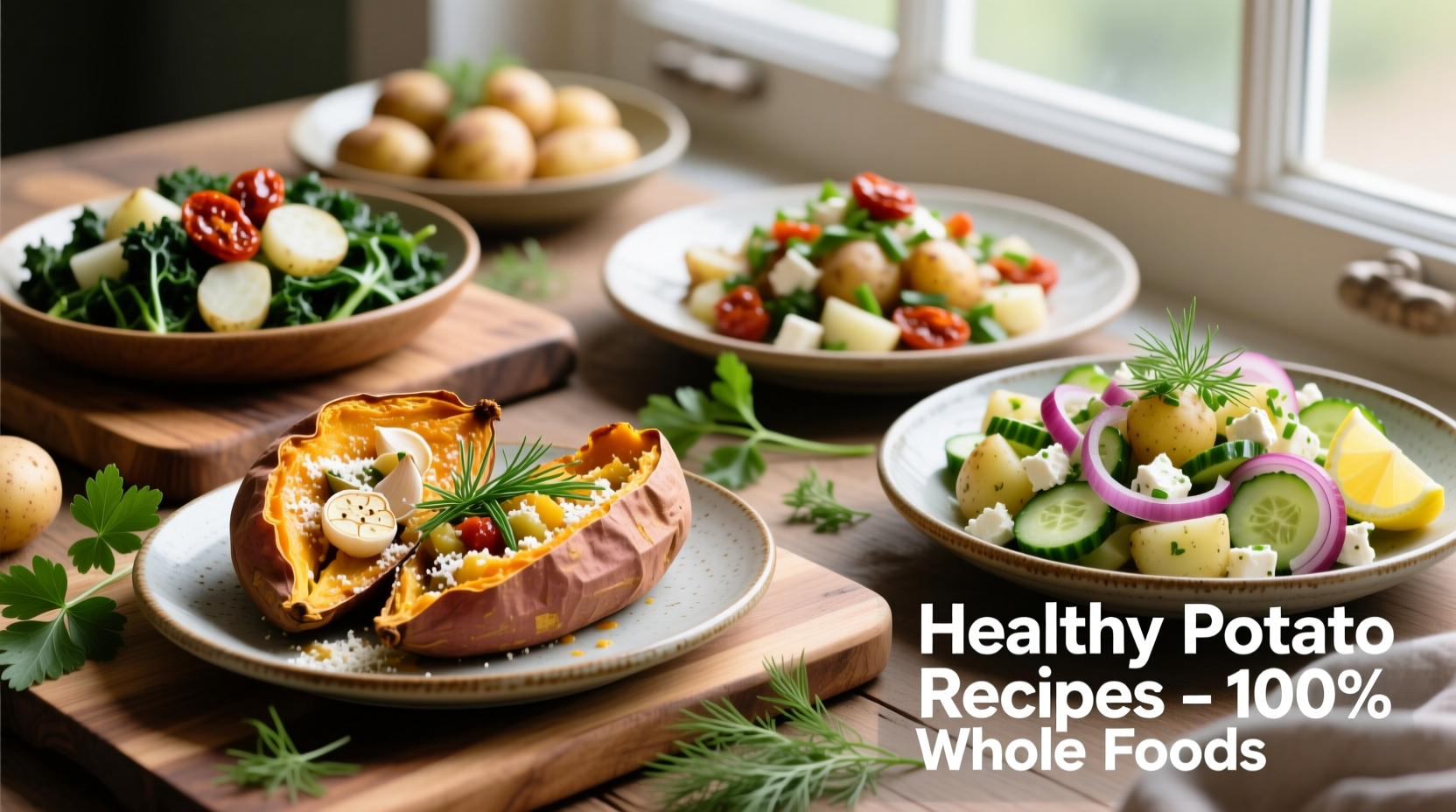
Unlocking the True Potential of Potatoes in Your Kitchen
Many home cooks avoid potatoes believing they're "unhealthy carbs," but this versatile vegetable packs surprising nutritional benefits when prepared thoughtfully. Recent USDA data confirms that a medium potato with skin delivers 45% of your daily vitamin C, 26% of potassium, and 3 grams of fiber—all for just 160 calories. The key lies in preparation methods that maximize nutrients while minimizing unnecessary fats and sugars.
Why Potatoes Deserve a Place in Your Healthy Diet
Contrary to popular belief, potatoes rank among the most nutrient-dense vegetables per calorie. Research from the American Journal of Clinical Nutrition shows that potatoes provide more potassium than bananas and more vitamin C than tomatoes by weight. When cooled after cooking, they develop resistant starch—a prebiotic fiber that supports gut health and improves insulin sensitivity.
| Nutrient | Per Medium Potato (150g) | Daily Value % |
|---|---|---|
| Calories | 160 | 8% |
| Fiber | 3g | 12% |
| Potassium | 926mg | 26% |
| Vitamin C | 27mg | 45% |
| Vitamin B6 | 0.4mg | 20% |
Source: USDA FoodData Central, 2023
Smart Cooking Methods That Preserve Nutrition
The way you prepare potatoes dramatically impacts their nutritional profile. Harvard T.H. Chan School of Public Health research demonstrates that boiling with skin intact preserves 80% of vitamin C, compared to 40% loss when peeled and boiled. Here's how common methods compare:
- Baking/Roasting: Retains most nutrients when cooked at 400°F or lower; avoid excessive oil (1 tsp per potato max)
- Boiling: Use minimal water and keep skins on; save cooking water for soups to capture leached nutrients
- Air Frying: Uses 70-80% less fat than traditional frying while achieving crisp texture
- Steaming: Best method for preserving water-soluble vitamins like vitamin C
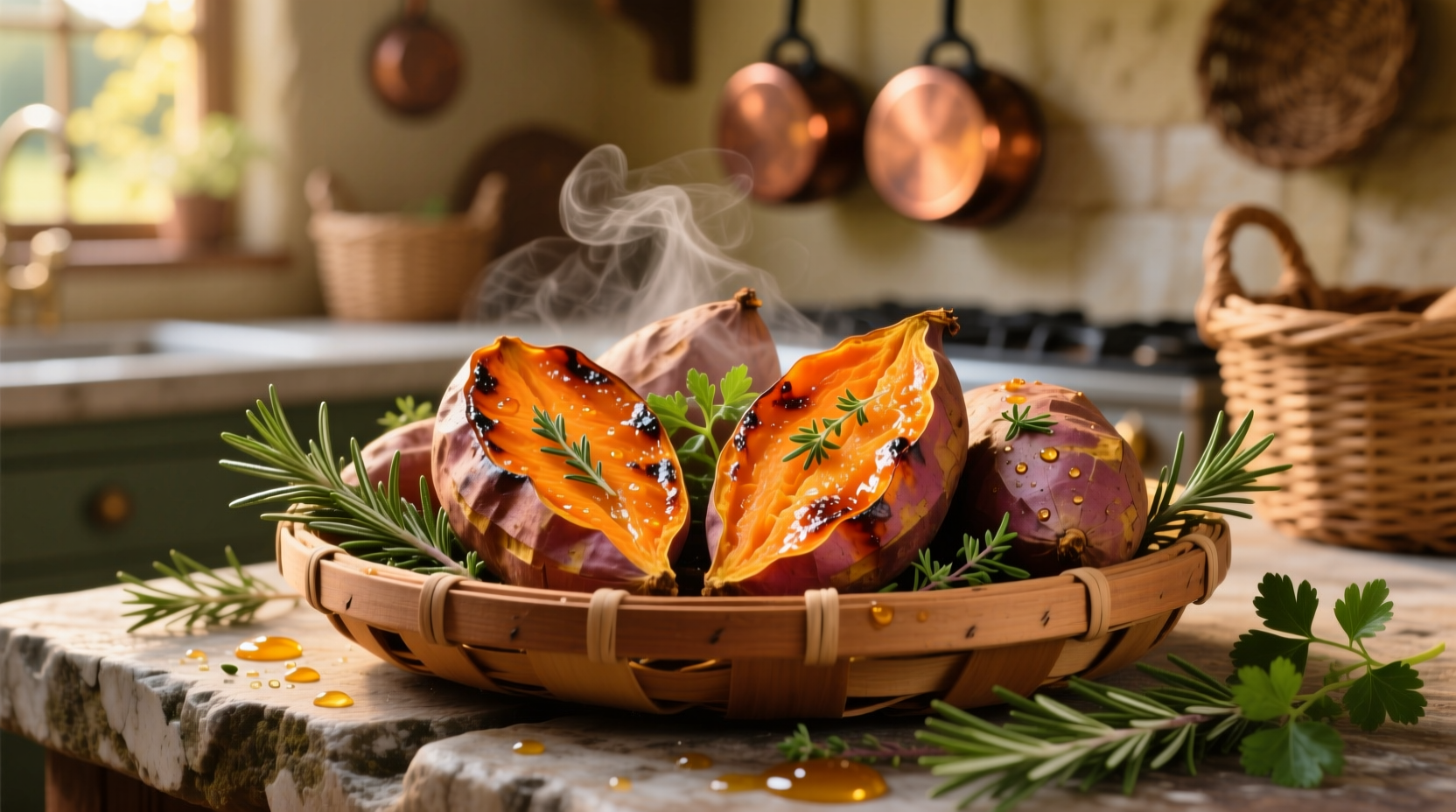
5 Nutritionist-Approved Healthy Potato Recipes
1. Mediterranean Herb Roasted Potatoes
This simple preparation maximizes flavor without excess fat. Toss 1.5 lbs baby potatoes (halved) with 1 tsp olive oil, 2 minced garlic cloves, 1 tbsp fresh rosemary, and lemon zest. Roast at 400°F for 35-40 minutes until golden. Finish with 2 tbsp chopped parsley and a squeeze of fresh lemon. Nutrition per serving (2 potatoes): 140 calories, 3g fiber, 5g protein.
2. Loaded Sweet Potato Power Bowls
Prick 2 medium sweet potatoes and microwave for 8-10 minutes until tender. Slice open and top with 1/4 avocado, 2 tbsp black beans, 1/4 cup salsa, and 1 oz crumbled feta. This balanced meal provides complex carbs, healthy fats, and plant-based protein. Nutrition per bowl: 290 calories, 8g fiber, 9g protein.
3. Crispy Smashed Potatoes with Lemon-Dill Yogurt
Boil 1 lb small Yukon Golds for 15 minutes until tender. Drain and gently smash. Drizzle with 1 tsp olive oil and roast at 425°F for 25 minutes. Mix 1/2 cup Greek yogurt with 1 tbsp lemon juice and 1 tbsp fresh dill for dipping. Nutrition per serving: 180 calories, 4g fiber, 7g protein.
4. Potato and Kale Hash with Poached Eggs
Sauté 2 cups diced potatoes (with skin) in 1 tsp avocado oil for 15 minutes. Add 2 cups chopped kale and 1/4 red onion until wilted. Top with 2 poached eggs. This high-protein breakfast keeps you full for hours. Nutrition per serving: 270 calories, 6g fiber, 14g protein.
5. Cold Potato Salad with Mustard Vinaigrette
Boil 2 lbs waxy potatoes (like fingerlings) with skins on. Cool completely, then slice. Toss with vinaigrette made from 2 tbsp Dijon mustard, 3 tbsp apple cider vinegar, 1 tbsp olive oil, and fresh herbs. Add celery and red onion for crunch. Nutrition per cup: 160 calories, 4g fiber, 4g protein.
When Potatoes Might Not Fit Your Needs
While generally healthy, potatoes may require modification for specific dietary needs:
- Diabetes management: Pair with protein/fat to lower glycemic impact; cool potatoes to increase resistant starch
- Kidney concerns: Limit portion sizes if managing potassium intake; remove skins which contain most potassium
- Weight loss focus: Measure portions (1 cup cooked = 1 carb serving); avoid creamy sauces and excessive cheese
Debunking Common Potato Myths
Myth: "Potatoes are just empty calories."
Fact: Potatoes provide more potassium than bananas and significant vitamin C—nutrients many Americans lack.
Myth: "Sweet potatoes are always healthier than white potatoes."
Fact: Both offer unique benefits—white potatoes have more potassium while sweet potatoes provide more vitamin A.
Myth: "Potato skins are unsafe to eat."
Fact: Most nutrients concentrate in and just below the skin. Scrubbing thoroughly removes surface contaminants.
Pro Tips for Maximizing Potato Nutrition
- Cool before eating: Refrigerate cooked potatoes for 24 hours to increase resistant starch by up to 50%
- Keep skins on: Retains fiber and nutrients—just scrub thoroughly before cooking
- Pair wisely: Combine with vitamin C-rich foods to enhance iron absorption
- Store properly: Keep in cool, dark place (not refrigerator) to prevent sugar conversion




 浙公网安备
33010002000092号
浙公网安备
33010002000092号 浙B2-20120091-4