
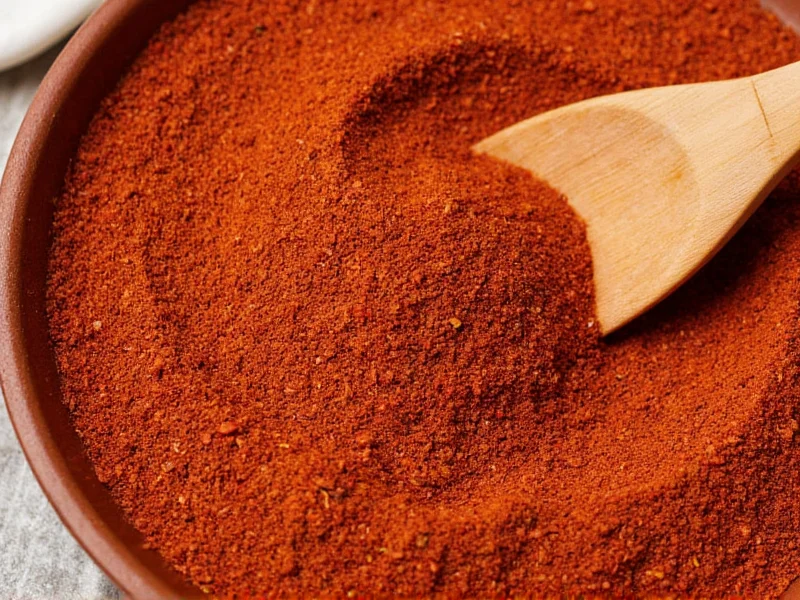
Understanding this vibrant condiment goes beyond recognizing it as merely spicy red pepper paste. Authentic harissa represents centuries of culinary tradition across North Africa, particularly in Tunisia where it's considered a national staple. The magic happens through careful roasting of chilies, slow emulsification with garlic and spices, and proper fermentation that develops its signature depth.
What Exactly Is Harissa Seasoning?
While often called harissa spice blend, this preparation is technically a paste rather than a dry seasoning. The confusion arises because commercial products sometimes dehydrate it into powder form. Traditional harissa begins with Baklouti peppers - a Tunisian variety with moderate heat (5,000-10,000 Scoville units) - though many modern versions use serrano or bird's eye chilies.
The preparation method significantly impacts flavor. Authentic Tunisian harissa involves:
- Charring fresh peppers over open flame
- Soaking dried chilies for traditional versions
- Stone-grinding ingredients in a mahbas (mortar)
- Slow fermentation in ceramic jars
Core Ingredients and Regional Variations
While recipes vary across North Africa, all genuine harissa seasoning ingredients share common elements. The Tunisian version differs notably from Moroccan interpretations:
| Variation | Pepper Base | Signature Spices | Texture |
|---|---|---|---|
| Tunisian | Baklouti peppers | Caraway, coriander | Thick paste |
| Moroccan | Serrano peppers | Cumin, paprika | Looser consistency |
| Algerian | Bird's eye chilies | Garlic-heavy | Very smooth |
The Tunisian version typically contains seven essential ingredients: roasted red peppers, chili peppers, garlic, olive oil, coriander, caraway, and salt. Some regional preparations add tomato paste for sweetness or lemon juice for brightness. Understanding these differences helps when selecting or making authentic harissa seasoning for specific dishes.
Historical Evolution of Harissa
Harissa's development reflects centuries of agricultural exchange and cultural adaptation in North Africa. Verified historical records outline its progression:
- Pre-16th Century: Indigenous North African cuisines used local spices like cumin and coriander, but lacked chili peppers (native to the Americas). Early spice pastes existed without the signature heat of modern harissa.
- 16th-17th Centuries: Chili peppers arrived via Spanish and Portuguese traders following the Columbian Exchange. Tunisian cooks integrated them with roasted red peppers and garlic, creating the first harissa prototypes. Journal of Ethnic Foods (2020)
- 19th Century: Commercial production emerged in Tunisia, with ceramic jars ("qassaa") becoming standard for fermentation. The city of Nabeul became a historic production center, as documented in French colonial agricultural archives. Cahiers de l'IFAN (1965)
- Late 20th Century: Tunisia's National Office of Crafts began documenting traditional preparation methods in 1994 to preserve culinary heritage, safeguarding stone-grinding techniques amid industrialization. Tunisian National Office of Crafts
Flavor Profile and Heat Management
Describing harissa's taste requires acknowledging its complexity beyond simple heat. The harissa seasoning flavor profile features:
- Smoky depth from roasted peppers
- Tangy brightness from natural fermentation
- Earthy notes from cumin and coriander
- Garlicky pungency that mellows when cooked
- Subtle fruitiness from quality olive oil
Heat levels vary significantly between preparations. Commercial harissa paste vs dry seasoning products often reduce spiciness for Western palates. When working with authentic harissa, remember that heat intensifies when raw but mellows beautifully during cooking. For how spicy is harissa seasoning concerns, start with 1 teaspoon per serving and adjust upward.
Contextual Considerations for Harissa Use
Harissa's versatility has limits dictated by cultural traditions and sensory science. Key constraints include:
- Heat Tolerance Variability: Consumer surveys indicate significant differences in spice preference. A 2021 International Food Information Council study showed 65% of Americans prefer mild-to-medium heat, suggesting harissa should be dosed carefully in non-traditional contexts. IFIC Survey Data
- Dairy Interaction Effects: Research confirms dairy fats reduce capsaicin perception by up to 50%, explaining why North African cuisine serves harissa with dairy sides (like labneh) rather than mixing it directly into creamy sauces. Journal of Sensory Studies (2016)
Practical Cooking Applications
Knowing how to use harissa seasoning properly transforms ordinary dishes. Unlike many spice blends, harissa works best when incorporated early in cooking to allow flavors to meld. Professional chefs recommend these techniques:
Meat Preparation
Marinate proteins for at least 2 hours with harissa mixed with olive oil and lemon juice. The enzymes in raw garlic help tenderize while the acids enhance flavor penetration. This method works exceptionally well for harissa seasoning chicken recipes or lamb dishes.
Sauce Integration
Temper harissa in warm broth or tomato base before adding to soups and stews. This prevents clumping and ensures even distribution. For harissa seasoning in sauces, use a 1:4 ratio of harissa to liquid base to achieve balanced heat without overwhelming other flavors.
Vegetable Enhancement
Toss roasted vegetables with harissa-infused oil during the last 5 minutes of cooking. The residual heat activates the spices without burning delicate compounds. This technique shines with harissa seasoning roasted vegetables like cauliflower, carrots, or sweet potatoes.
Storage and Shelf Life Considerations
Proper storage maintains harissa seasoning freshness and prevents spoilage. Homemade versions last 2-3 weeks refrigerated, while commercial products typically remain viable for 6-8 months unopened. Once opened:
- Store in airtight container submerged in olive oil layer
- Keep refrigerated at all times
- Use clean utensils to prevent contamination
- Discard if mold appears or smell turns sour
For longer preservation, freeze harissa in ice cube trays then transfer to freezer bags. These harissa seasoning storage tips ensure you always have this versatile condiment ready for impromptu cooking.
Effective Substitutions When Needed
Understanding harissa seasoning substitute options proves valuable when authentic harissa isn't available. While no replacement perfectly mimics its complex profile, these alternatives work in specific contexts:
- For heat and smokiness: Chipotle peppers in adobo (use 1:1 ratio)
- For North African flavor: Berbere spice blend with added garlic (2:1 ratio)
- For milder applications: Roasted red pepper paste with cayenne (3:1 ratio)
- For dry seasoning needs: Cayenne, smoked paprika, garlic powder mix (1:1:0.5 ratio)
Remember that harissa seasoning vs paste differences affect substitution choices. Dry spice blends work better for rubs, while paste alternatives suit sauces and marinades. When making homemade harissa recipe substitutions, always toast whole spices before grinding to maximize flavor.
Frequently Asked Questions
Is harissa seasoning the same as harissa paste?
No, traditional harissa is a paste, while 'harissa seasoning' typically refers to dehydrated powder versions. The paste contains moisture from peppers and olive oil, providing richer flavor and better integration in dishes. Powdered versions work as dry rubs but lack the complexity of authentic paste.
How spicy is authentic harissa seasoning?
Authentic Tunisian harissa ranges from 5,000-15,000 Scoville units, comparable to serrano peppers. Commercial versions often reduce heat to 2,000-5,000 units for broader appeal. The perceived spiciness decreases significantly when cooked, making it more versatile than raw heat measurements suggest.
Can I make harissa seasoning at home without special equipment?
Yes, you can create excellent homemade harissa using basic kitchen tools. Roast peppers under your broiler, then blend with garlic, spices, and olive oil in a standard food processor. While traditional stone grinding produces superior texture, modern appliances yield delicious results suitable for most cooking applications.
What dishes work best with harissa seasoning?
Harissa enhances Mediterranean and Middle Eastern dishes particularly well. It shines in tagines, couscous, roasted vegetables, and grilled meats. Chefs also use it in unexpected applications like deviled eggs, salad dressings, and even chocolate desserts for subtle heat. The key is balancing its intensity with complementary flavors.
Does harissa seasoning need refrigeration after opening?
Yes, all harissa products require refrigeration after opening due to their moisture content and fresh ingredients. Properly stored under a layer of olive oil in an airtight container, opened harissa remains safe for 3-4 weeks. Discard immediately if mold appears or the aroma turns sour.




 浙公网安备
33010002000092号
浙公网安备
33010002000092号 浙B2-20120091-4