
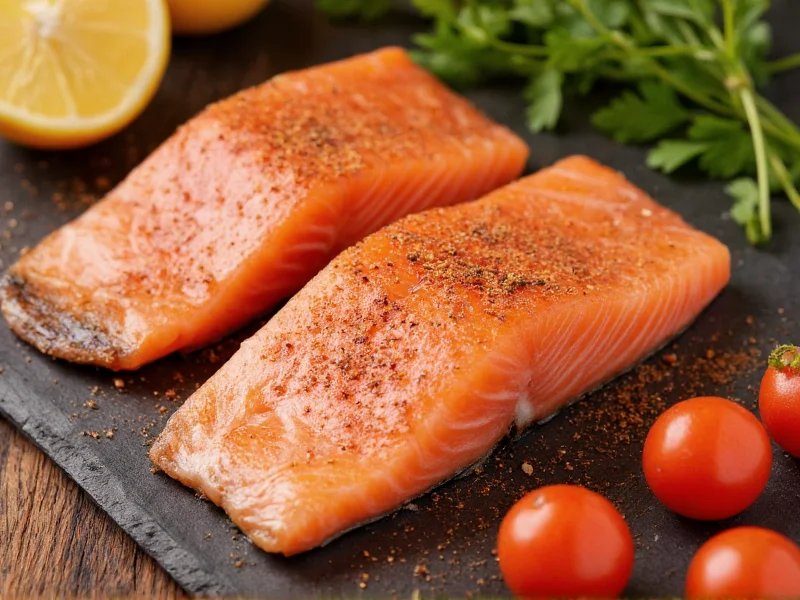
Seasoning salmon properly transforms this nutrient-dense fish from ordinary to extraordinary. Unlike stronger meats, salmon requires thoughtful flavor pairing that respects its delicate richness while enhancing its natural qualities. The right salmon seasoning blend balances earthy, herbal, and subtle sweet elements that complement rather than mask the fish's inherent flavor profile. Understanding which herbs and spices work best with salmon's fatty composition prevents common mistakes like over-salting or using incompatible flavors that clash with its natural oils.
The Science Behind Perfect Salmon Seasoning
Salmon's high fat content (particularly omega-3 fatty acids) acts as a flavor carrier, making it exceptionally receptive to seasoning. When you apply the right salmon seasoning blend, these fats absorb and distribute flavors throughout the cooking process. Acidic components like lemon zest help cut through richness, while herbal notes like dill and tarragon naturally complement fish flavors due to shared chemical compounds. Understanding these interactions helps you create restaurant-quality results at home with minimal ingredients.
Essential Components of Effective Salmon Seasoning
Professional chefs rely on four key elements when developing salmon seasoning recipes:
- Herbal notes (dill, tarragon, parsley) - provide freshness that cuts through richness
- Earthy elements (garlic, onion, smoked paprika) - add depth without overpowering
- Acid components (citrus zest, vinegar powders) - balance fatty texture
- Subtle sweetness (a touch of honey powder or maple sugar) - enhances natural flavors
Avoid common pitfalls like using dried basil (overpowers salmon) or excessive salt (draws out moisture). The best healthy salmon seasoning recipes maintain a 4:2:1 ratio of herbs to earthy elements to acid for balanced flavor development.
Classic Salmon Seasoning Blends
These professional-tested salmon seasoning combinations work for grilling, baking, or pan-searing. All measurements yield enough for two standard salmon fillets (6-8 ounces each).
| Seasoning Blend | Ingredients | Best Cooking Method |
|---|---|---|
| Classic Lemon-Dill | 1 tsp dried dill, 1/2 tsp lemon zest, 1/2 tsp garlic powder, 1/4 tsp salt | Baking or pan-searing |
| Smoky Paprika Blend | 1 tsp smoked paprika, 1/2 tsp garlic powder, 1/4 tsp cumin, 1/4 tsp black pepper | Grilling or broiling |
| Mediterranean Herb | 1 tsp dried oregano, 1/2 tsp thyme, 1/2 tsp lemon pepper, 1/4 tsp onion powder | En papillote or baking |
| Asian-Inspired | 1 tsp ginger powder, 1/2 tsp garlic powder, 1/4 tsp sesame seeds, 1/4 tsp chili flakes | Pan-searing or stir-frying |
Regional Salmon Seasoning Traditions
Different culinary traditions have developed distinctive salmon seasoning approaches based on local ingredients and cooking methods. Scandinavian preparations often feature dill and mustard seeds, reflecting historical preservation techniques. Pacific Northwest indigenous methods traditionally use wild herbs like yarrow and cedar tips. Japanese cuisine pairs salmon with subtle citrus and shiso rather than strong seasonings. Understanding these regional salmon seasoning variations provides inspiration for creating your own signature blends while respecting cultural contexts.
Evolution of Salmon Seasoning Practices
Salmon seasoning techniques have evolved alongside nutritional science and culinary trends, with key shifts documented by health authorities. The American Heart Association's progressive guidelines illustrate how scientific understanding directly influences home cooking practices:
- Pre-1980s: Heavy reliance on salt and butter dominated preparations, reflecting limited understanding of cardiovascular health. Seasoning primarily masked fishiness in less fresh fish.
- 1982-2002: AHA's first dietary guidelines (1982) initiated reduced-sodium awareness. Chefs shifted toward herb-centric blends like lemon-dill to enhance flavor without salt, validated by later research on omega-3 preservation.
- 2006-Present: AHA's updated advisories emphasizing fish consumption (2006) spurred seasoning innovations focused on complementing omega-3 profiles. Modern blends now account for wild/farmed differences and dietary restrictions, moving from flavor-masking to flavor-enhancing approaches.
This progression demonstrates how evidence-based health recommendations transform everyday cooking practices, with current optimal seasoning balancing culinary artistry and nutritional science. The shift from heavy salting to nuanced herb applications directly correlates with decades of cardiovascular research.
Source: American Heart Association Dietary Guidelines Timeline (heart.org)
Dietary-Specific Salmon Seasoning Solutions
Adapting salmon seasoning for special dietary needs requires understanding flavor substitution principles. For low-sodium diets, replace salt with celery seed and lemon zest to maintain flavor complexity. Keto-friendly salmon seasoning avoids sugar-containing ingredients like pre-made lemon pepper. Gluten-free considerations matter when using commercial blends that may contain maltodextrin. The best healthy salmon seasoning recipes for heart health incorporate garlic and herbs known for cardiovascular benefits without compromising flavor.
Wild vs Farmed Salmon: Nutritional Profiles and Seasoning Implications
USDA nutrient analysis reveals critical differences between wild and farmed salmon that directly impact seasoning strategies. These evidence-based distinctions explain why uniform seasoning approaches fail across salmon varieties:
| Nutritional Factor | Wild Salmon (per 100g) | Farmed Salmon (per 100g) | Seasoning Implication |
|---|---|---|---|
| Total Fat Content | 5.23g | 13.42g | Wild: Use oil-based marinades sparingly. Farmed: Can handle robust dry rubs. |
| Omega-3 Fatty Acids | 1.8g | 2.2g | Wild: Lighter blends preserve natural flavor. Farmed: Bolder seasonings complement richness. |
| Natural Sodium | 59mg | 58mg | Wild: Reduce added salt by 25%. Farmed: Standard salt levels acceptable. |
| Flavor Intensity | Stronger, complex | Milder, uniform | Wild: Delicate herbs only. Farmed: Tolerates stronger spice profiles. |
Data source: USDA FoodData Central (Wild: FDC ID 170330, Farmed: FDC ID 170331)
Application Techniques for Maximum Flavor
How you apply salmon seasoning matters as much as the blend itself. For optimal results with any salmon seasoning recipe:
- Dry the surface - Pat salmon thoroughly before seasoning to ensure proper adhesion
- Season early - Apply dry rubs 15-20 minutes before cooking to allow flavor penetration
- Oil first - Lightly coat with oil before dry seasonings to help them stick
- Acid last - Add fresh lemon or vinegar after cooking to preserve brightness
- Layer flavors - Use some seasoning in marinades and additional on surface
When grilling salmon, place seasoning-side down first to create a flavorful crust. For baking, arrange seasoned side up to allow flavors to penetrate as the fish cooks. These professional techniques maximize the effectiveness of any salmon seasoning blend.
Common Salmon Seasoning Mistakes to Avoid
Even experienced cooks make these frequent errors with salmon seasoning:
- Over-salting - Salmon's natural sodium content means you need less added salt
- Using dried basil - Its strong flavor overpowers delicate salmon
- Applying wet marinades too early - Can cook the surface before heating
- Ignoring cooking method - Some blends work better for grilling vs baking
- Seasoning frozen salmon - Thaw completely first for proper absorption
The best salmon seasoning for grilled salmon differs slightly from baking blends - grilled versions benefit from slightly more robust flavors that withstand high heat, while baking blends can include more delicate herbs that would burn on the grill.
Creating and Storing Custom Salmon Seasoning Blends
Homemade salmon seasoning blends stay fresh for 2-3 months when properly stored. Use these professional tips:
- Mix in glass containers away from light and heat sources
- Add a few grains of rice to absorb moisture in humid climates
- Label with creation date and intended cooking method
- Refresh dried herbs every 6 months for maximum potency
- Keep separate blends for different cooking techniques
Batch preparation saves time while ensuring consistent results. The best all-purpose salmon seasoning measurements scale perfectly from single servings to large batches. For meal preppers, portion individual servings in small containers for grab-and-go convenience.
Conclusion: Mastering Salmon Seasoning
Perfect salmon seasoning balances science and artistry. By understanding flavor chemistry, respecting regional traditions, and applying proper techniques, you can consistently create delicious salmon dishes. The best salmon seasoning recipes enhance rather than mask the fish's natural qualities, working with its fatty composition to deliver balanced, memorable flavors. Whether you're preparing a quick weeknight dinner or special occasion meal, these principles ensure your salmon seasoning always hits the right notes.
Frequently Asked Questions
What's the best herb for salmon seasoning?
Dill reigns supreme as the best herb for salmon seasoning due to its complementary flavor compounds that naturally pair with fish. Fresh dill provides brighter notes, while dried dill offers more concentrated flavor that withstands cooking. Tarragon makes an excellent secondary herb, sharing similar chemical properties with dill that enhance salmon's natural richness without overpowering it.
How early should I apply salmon seasoning before cooking?
Apply dry salmon seasoning blends 15-20 minutes before cooking to allow proper absorption without drawing out moisture. For wet marinades containing acid, limit marinating time to 30 minutes maximum to prevent the surface from 'cooking' before heat application. Always pat the salmon dry before applying seasoning to ensure proper adhesion and crust formation during cooking.
Can I use the same seasoning for wild and farmed salmon?
Wild salmon typically requires lighter seasoning than farmed varieties due to its more pronounced natural flavor. For wild salmon, reduce seasoning quantities by 25% and emphasize citrus notes. Farmed salmon's milder flavor can handle more robust seasoning blends. The best salmon seasoning adjustments account for these differences while maintaining the fundamental flavor balance principles that work for all salmon types.
What's the ideal salt-to-herb ratio for salmon seasoning?
The ideal salt-to-herb ratio for salmon seasoning is 1:4, meaning for every 1/4 teaspoon of salt, use 1 teaspoon of combined herbs and spices. This ratio provides sufficient seasoning without overwhelming salmon's delicate flavor or adding excessive sodium. For low-sodium diets, replace half the salt with celery seed and lemon zest to maintain flavor complexity while reducing sodium content by 50%.
How do I fix over-seasoned salmon?
If you've over-seasoned salmon, immediately rinse the surface under cold water and pat dry. Create a quick rescue glaze with equal parts honey and lemon juice to balance excessive saltiness. For overly spicy seasoning, a yogurt or sour cream-based sauce will counteract the heat. When serving, pair with bland accompaniments like steamed rice or plain vegetables to offset strong flavors. Prevention works best - always start with less seasoning than you think you need, as you can add more but can't remove excess.




 浙公网安备
33010002000092号
浙公网安备
33010002000092号 浙B2-20120091-4