
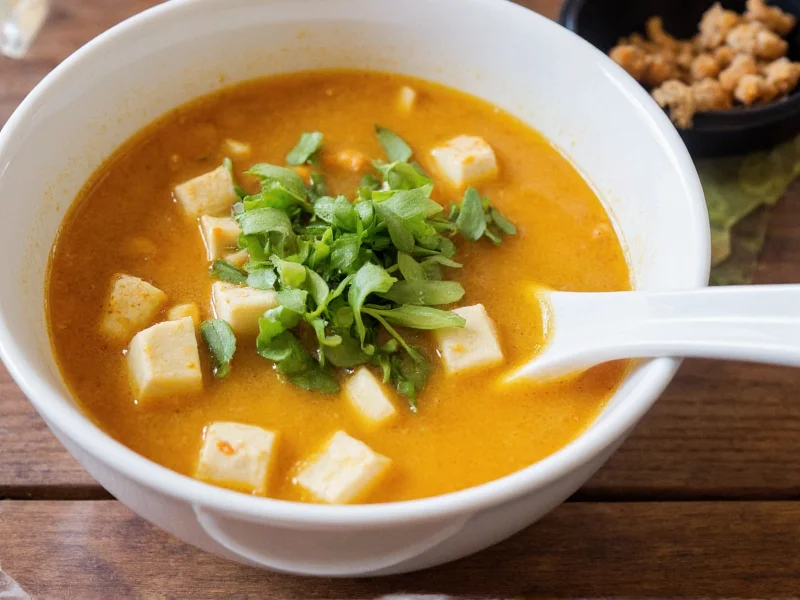
Creating a satisfying tofu soup doesn't require culinary expertise—just quality ingredients and proper technique. This versatile dish has roots in East Asian cuisine, where it's cherished for its simplicity and nourishing properties. Whether you're seeking a light lunch, comforting dinner, or recovery meal, this tofu vegetable soup delivers balanced flavors and essential nutrients without complicated steps.
Essential Ingredients for Perfect Tofu Soup
The foundation of exceptional tofu soup lies in ingredient quality and proper proportions. Unlike many online tofu soup recipes that compromise on authenticity, this version maintains traditional flavor balance while accommodating modern dietary preferences.
| Ingredient | Amount | Substitution Options |
|---|---|---|
| Silken tofu | 14 oz block | Firm tofu (pressed), tempeh cubes |
| Vegetable broth | 4 cups | Chicken broth, dashi, or mushroom broth |
| Fresh ginger | 1-inch piece, sliced | 1/2 tsp ground ginger (less ideal) |
| Garlic cloves | 2, minced | 1 tsp garlic powder in emergency |
| Scallions | 3, sliced | Chives or leeks |
When selecting tofu, opt for organic, non-GMO varieties whenever possible. The texture difference between premium and standard tofu significantly impacts your silky tofu soup's final mouthfeel. For gluten-free tofu soup recipes, verify your broth contains no wheat derivatives—many commercial brands use barley.
Step-by-Step Preparation Guide
Follow these precise steps for restaurant-quality results every time. This quick tofu soup recipe maintains optimal texture and flavor development through careful timing.
- Prepare ingredients: Drain tofu and gently press between paper towels. Slice ginger, mince garlic, and separate scallion whites from greens.
- Build flavor base: In a medium pot, combine broth, ginger, and scallion whites. Bring to gentle simmer over medium heat (do not boil).
- Infuse aromatics: Simmer broth mixture 5 minutes until fragrant. Add garlic and optional mushrooms.
- Add tofu: Carefully cut tofu into 1-inch cubes and add to broth. Simmer gently 8-10 minutes (vigorous boiling breaks tofu).
- Finish soup: Stir in scallion greens, soy sauce, and sesame oil. Remove ginger slices. Adjust seasoning with salt and white pepper.
- Serve immediately: Ladle into pre-warmed bowls to maintain temperature.
Variations for Dietary Preferences
This adaptable base recipe transforms into several popular versions with minimal adjustments. The best tofu miso soup recipe, for example, requires just two modifications:
- Miso Tofu Soup: Reduce broth to 3 cups. After removing from heat, dissolve 3 tbsp white miso paste in 1 cup warm broth, then stir into soup. Add wakame seaweed during final simmer.
- Spicy Tofu Soup: Add 1 tbsp gochujang or 1-2 sliced red chilies with aromatics. Finish with chili oil and sesame seeds.
- Protein-Packed Version: Include 1 cup shredded cooked chicken or shrimp during last 3 minutes of cooking.
- Vegetable-Rich Option: Add 1 cup sliced bok choy or spinach during final 2 minutes.
Critical Success Factors
Avoid these common mistakes that ruin otherwise promising tofu soup recipes:
- Boiling instead of simmering: Vigorous boiling breaks tofu into fragments. Maintain gentle bubbles only.
- Adding miso to boiling liquid: High heat destroys miso's beneficial enzymes and alters flavor.
- Over-seasoning: Add salt gradually—soy sauce and miso both contain significant sodium.
- Using old tofu: Check expiration dates; water should be clear, not cloudy.
- Skipping ginger preparation: Slicing (not mincing) ginger allows controlled flavor release without overpowering.
Nutritional Profile and Dietary Benefits
A single serving (1.5 cups) of this basic tofu soup recipe provides:
- 180 calories
- 12g protein (complete protein profile)
- 8g healthy fats
- 15g carbohydrates
- Significant calcium, iron, and magnesium
This light tofu soup serves as an excellent option for various dietary needs. The vegan tofu soup version requires only ensuring broth is plant-based. For low-sodium diets, use reduced-sodium broth and limit added soy sauce. The dish naturally accommodates gluten-free requirements when using tamari instead of regular soy sauce.
Serving and Storage Recommendations
For optimal enjoyment, serve immediately in warmed bowls. Garnish with additional scallions, cilantro, or a drizzle of chili oil. This simple tofu soup pairs beautifully with steamed rice or crusty bread for a complete meal.
Store leftovers in airtight container for up to 3 days. Reheat gently over low heat—microwaving often causes tofu to become rubbery. Freezing isn't recommended as tofu develops an unpleasant texture when thawed.




 浙公网安备
33010002000092号
浙公网安备
33010002000092号 浙B2-20120091-4