
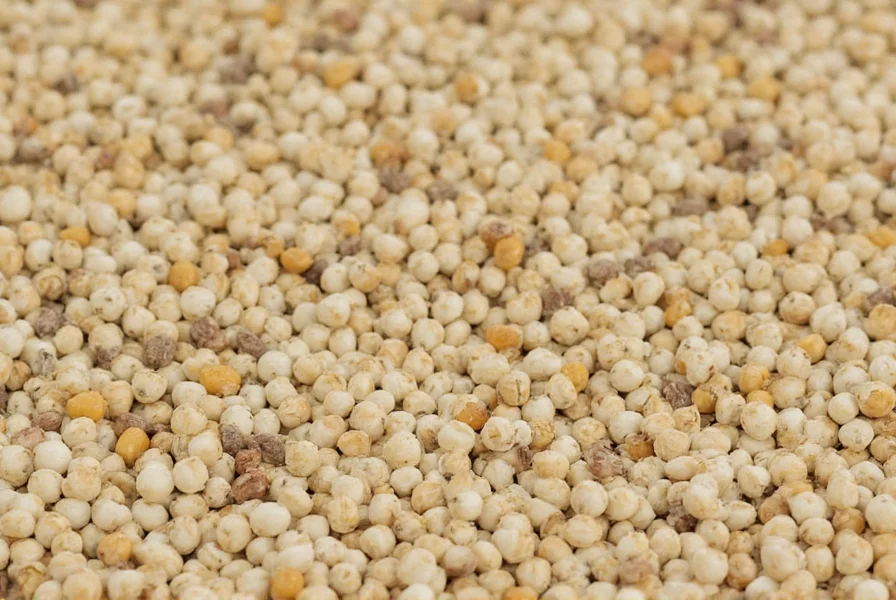
Unlike its more common counterpart, ground white pepper begins as fully ripe red peppercorns. The outer fruit layer (pericarp) is removed through a process called retting, typically by soaking the berries in water for about a week. This soaking causes the outer layer to soften and ferment, allowing it to be easily rubbed off, revealing the white seed inside. These cleaned seeds are then dried and ground into the fine powder known as ground white pepper.
The Unique Characteristics of Ground White Pepper
White pepper's distinctive processing method creates several notable differences from black pepper. The removal of the outer layer eliminates many of the volatile oils responsible for black pepper's sharp, pungent heat. Instead, white pepper develops a more complex flavor profile with earthy, musty notes and subtle floral undertones. This difference becomes particularly important in culinary applications where visual presentation matters.
| Characteristic | Ground White Pepper | Ground Black Pepper |
|---|---|---|
| Processing Method | Ripe berries with outer layer removed before drying | Unripe berries dried with outer layer intact |
| Flavor Profile | Earthy, musty, floral, less sharp | Pungent, sharp, citrusy, more heat |
| Color Impact | No visible specks | Creates black specks |
| Traditional Uses | Light-colored sauces, Chinese cuisine, European dishes | Most general cooking applications |
When to Choose Ground White Pepper Over Black Pepper
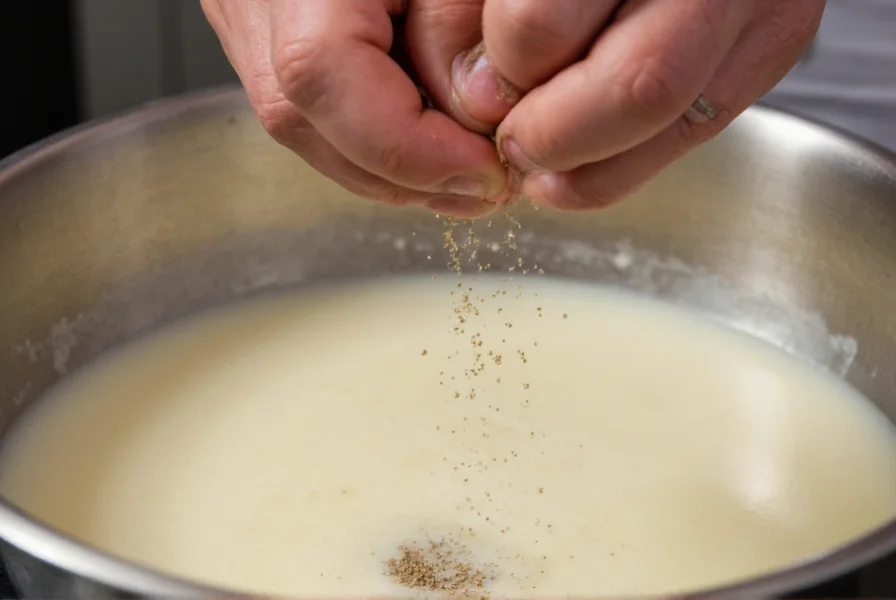
Chefs select ground white pepper primarily for two reasons: visual presentation and specific flavor requirements. In cream sauces, mashed potatoes, light-colored soups, and salad dressings, white pepper provides seasoning without the visual distraction of black specks. This makes it particularly valuable in professional kitchens where presentation is paramount.
Contextual Limitations: When White Pepper Falls Short
While ground white pepper offers distinct advantages in specific applications, it has notable limitations that chefs must consider. Its milder heat profile makes it unsuitable for dishes requiring a pronounced peppery bite, such as steak au poivre or freshly cracked pepper applications. Additionally, the musty notes that characterize white pepper can become overpowering in delicate dishes like poached fish or light broths if used excessively. According to comprehensive testing by America's Test Kitchen, white pepper loses its distinctive flavor more rapidly when exposed to high heat compared to black pepper, making it less ideal for long-simmered dishes. Their research indicates that for optimal results, white pepper should be added in the final stages of cooking to preserve its subtle flavor compounds.
Furthermore, individuals with sensitivities to fermented products may detect an off-putting mustiness in white pepper, a characteristic absent in black pepper. This is due to the retting process which involves fermentation. For these reasons, culinary professionals often maintain both varieties in their pantries to address different cooking requirements.
Proper Storage Techniques for Maximum Freshness
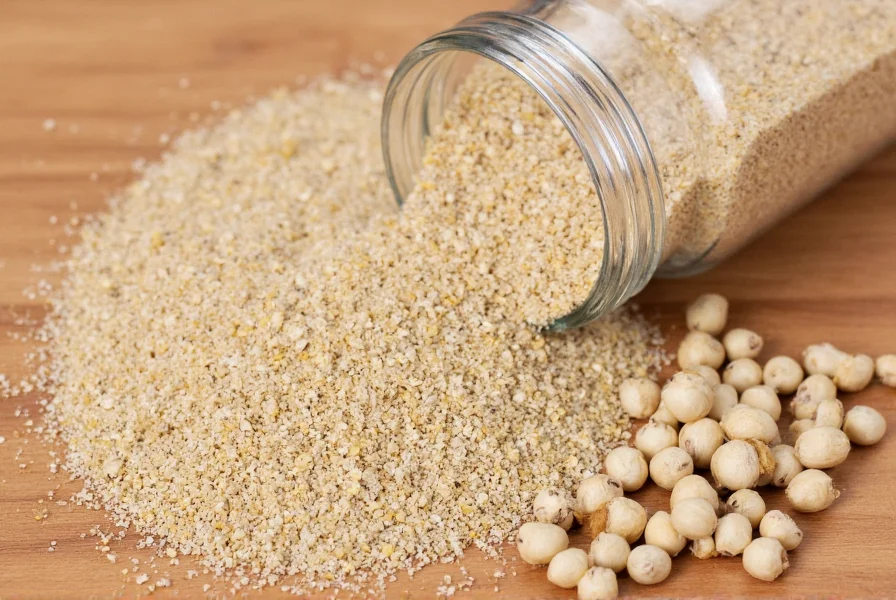
Like all ground spices, ground white pepper gradually loses potency after grinding. To maintain optimal flavor, store it in an airtight container away from light, heat, and moisture. The ideal storage location is a cool, dark cupboard rather than near the stove or in clear containers on the counter.
For extended freshness, consider purchasing whole white peppercorns and grinding them as needed using a standard pepper mill. Whole peppercorns retain their flavor significantly longer than pre-ground versions. Properly stored, ground white pepper remains at its best for 6-12 months, while whole peppercorns can maintain quality for up to two years.
Understanding Flavor Substitutions
When you don't have ground white pepper on hand, several substitutes can work in a pinch, though none perfectly replicate its unique characteristics. Freshly ground black pepper is the most common substitute, but use about 25% less since it's more pungent. For dishes where visual appearance matters, consider using cayenne pepper sparingly for heat without visible specks, though this significantly changes the flavor profile.
In traditional Chinese cooking, some chefs use a combination of white pepper and a small amount of five-spice powder to approximate the distinctive flavor. For creamy dishes where appearance is crucial, freshly grated nutmeg can provide a similar warm background note, though it lacks pepper's characteristic bite.
Culinary Applications Across Global Cuisines
Ground white pepper plays a starring role in several international dishes. In Chinese cuisine, it's essential in hot and sour soup, where its earthy notes complement the vinegar and chili. French cuisine uses it in béchamel sauce and other white sauces where black specks would be undesirable. Vietnamese pho often includes white pepper in the broth for its distinctive warmth without visual disruption.
Professional chefs note that ground white pepper works particularly well with seafood, poultry, and egg dishes. Its milder heat allows delicate flavors to shine while still providing seasoning depth. When using ground white pepper in cooking, add it toward the end of the cooking process to preserve its more delicate flavor compounds, which can dissipate with prolonged heat exposure.
Nutritional Profile and Potential Health Benefits
While primarily used for flavor rather than nutrition, ground white pepper does contain several beneficial compounds. Like black pepper, it contains piperine, which may enhance the absorption of certain nutrients and has antioxidant properties. A 2017 study published in Phytotherapy Research demonstrated that piperine enhances the bioavailability of curcumin by up to 2000% and exhibits anti-inflammatory effects in preclinical models. However, the study used concentrated piperine extracts, and the levels found in culinary use of white pepper (which contains less piperine than black pepper) are likely insufficient for significant therapeutic effects. More research is needed to determine the health impacts of typical dietary consumption.
White pepper contains trace amounts of minerals including manganese, iron, and potassium. However, since it's used in small quantities, it shouldn't be considered a significant nutritional source. The primary value of ground white pepper remains its culinary contribution rather than nutritional benefits.
Frequently Asked Questions
Can I substitute ground white pepper for black pepper in all recipes?
While you can substitute ground white pepper for black pepper in most recipes, the flavor profile will differ. White pepper has a milder, earthier taste with less sharp heat. It works best as substitute in light-colored dishes like cream sauces, mashed potatoes, or salad dressings where visual appearance matters. For most other applications, black pepper provides a more robust flavor that many prefer.
Why does white pepper taste different from black pepper if they come from the same plant?
The flavor difference comes from the processing method. Black pepper is made from unripe green peppercorns dried with their outer layer intact, preserving volatile oils that create its sharp, pungent heat. White pepper comes from fully ripe berries with the outer layer removed before drying. This eliminates many surface compounds, resulting in a more earthy, musty flavor with less intense heat.
Does ground white pepper have the same health benefits as black pepper?
Both contain piperine, the compound responsible for many potential health benefits including enhanced nutrient absorption and antioxidant properties. However, black pepper generally contains slightly higher piperine levels since the compound is concentrated in the outer layer that's removed during white pepper production. The difference is minimal in culinary usage amounts, so both offer similar potential benefits when used in normal cooking quantities.
How can I tell if my ground white pepper has gone bad?
Ground white pepper doesn't spoil in the traditional sense but loses potency over time. Signs it's past its prime include faded aroma (should have a distinctive earthy, musty scent), diminished flavor, and potential clumping from moisture exposure. Properly stored in an airtight container away from light and heat, it maintains optimal flavor for 6-12 months. For best results, purchase smaller quantities and replace regularly.
Why do some recipes specifically call for white pepper instead of black?
Recipes specify white pepper primarily for visual reasons in light-colored dishes where black specks would be undesirable, such as cream sauces, mashed potatoes, or white soups. Additionally, certain culinary traditions like Chinese and French cuisines have developed flavor profiles that rely on white pepper's distinctive earthy notes. Authentic versions of dishes like hot and sour soup or béchamel sauce depend on white pepper for their characteristic taste.




 浙公网安备
33010002000092号
浙公网安备
33010002000092号 浙B2-20120091-4