
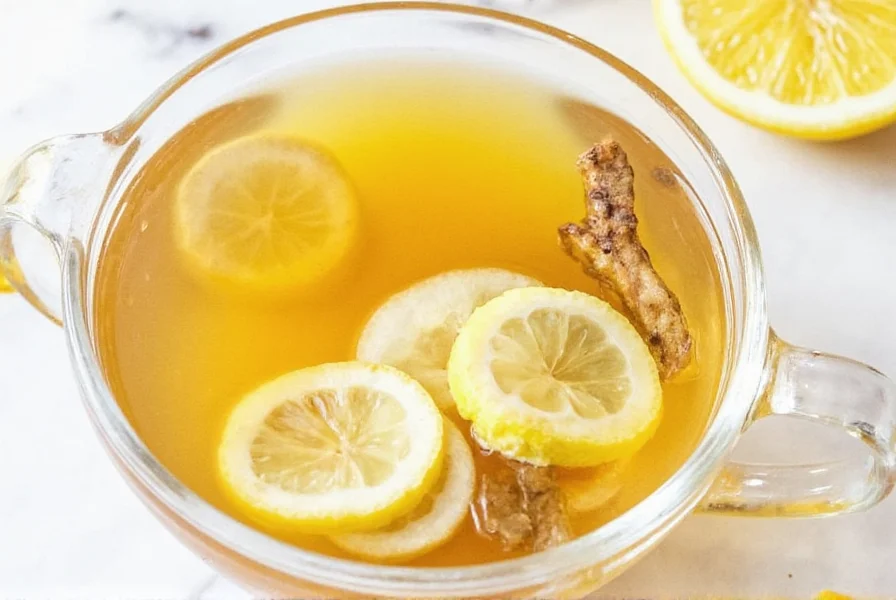
Discover the perfect balance of spicy ginger and bright lemon in this foolproof tea recipe. Whether you're seeking relief from a seasonal cold, looking for a caffeine-free morning ritual, or simply want a comforting beverage, this authentic preparation method delivers maximum flavor and benefits. Our tested recipe uses fresh ingredients and proper technique to create a tea that's neither too weak nor overpoweringly spicy.
The Science Behind This Simple Ginger Lemon Tea
Ginger and lemon tea isn't just delicious—it's backed by centuries of traditional use and modern research. The active compound in ginger, gingerol, provides anti-inflammatory properties, while lemon delivers vitamin C and antioxidants. When properly prepared, this combination creates a synergistic effect greater than the sum of its parts. The key lies in using fresh ingredients and optimal steeping time to extract maximum beneficial compounds without bitterness.
Why This Recipe Works Better Than Others
Many online ginger lemon tea recipes miss critical details that affect both flavor and health benefits. Our method addresses common pitfalls:
- Using sliced rather than grated ginger controls potency
- Precise steeping time prevents bitterness from over-extraction
- Fresh lemon juice added after steeping preserves vitamin C
- Proper ginger-to-water ratio ensures balanced flavor
Authentic Ginger and Lemon Tea Recipe
This straightforward preparation yields one perfect serving. Double or triple quantities as needed.
| Ingredients | Quantity | Preparation Notes |
|---|---|---|
| Fresh ginger root | 1-inch piece | Peel and slice thinly (not grated) |
| Fresh lemon | ½ medium | Hand-rolled before juicing for maximum yield |
| Pure water | 1 cup (8 oz) | Filtered preferred |
| Raw honey | To taste | Added after cooling slightly |
Step-by-Step Preparation Guide
- Prepare ingredients: Peel and thinly slice 1-inch piece of fresh ginger (about 15g). Roll lemon firmly on counter before cutting and juicing.
- Boil water: Bring 1 cup of filtered water to rolling boil (212°F/100°C).
- Combine: Place ginger slices in teapot or heatproof container. Pour boiling water over ginger.
- Steep properly: Cover and steep for 5-10 minutes (5 for mild, 10 for strong).
- Add lemon: Strain into cup, add 2 tablespoons fresh lemon juice.
- Sweeten: Add 1-2 teaspoons raw honey once temperature drops below 140°F (60°C) to preserve enzymes.
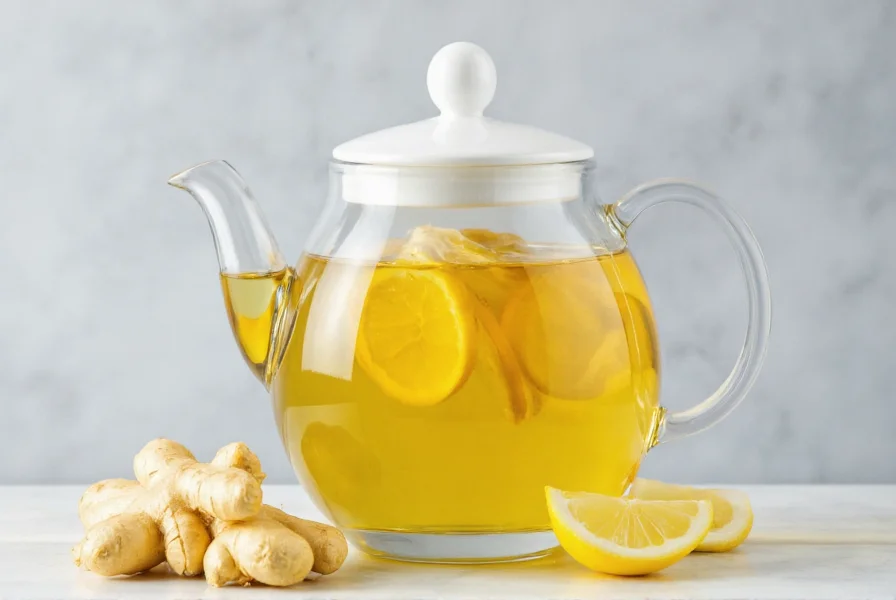
Expert Tips for Perfect Results Every Time
Professional tea makers emphasize these often-overlooked details:
- Ginger selection: Choose firm roots with smooth skin and minimal wrinkles
- Cutting technique: Slicing (not grating) releases flavor gradually without excessive bitterness
- Water quality: Hard water diminishes flavor—use filtered if possible
- Timing precision: Set timer—over-steeping creates unpleasant bitterness
- Lemon addition: Always add after steeping to preserve vitamin C content
Delicious Variations to Try
Once you've mastered the basic preparation, experiment with these popular adaptations:
| Variation | Modification | Best For |
|---|---|---|
| Immunity Boost | Add ¼ tsp turmeric + pinch black pepper | Cold and flu season |
| Detox Version | Add 2 mint sprigs during steeping | Morning cleansing routine |
| Soothe Sore Throat | Double honey + add 1 cinnamon stick | Upper respiratory discomfort |
| Iced Ginger Lemon Tea | Brew double strength, pour over ice | Summer refreshment |
Troubleshooting Common Issues
Even simple recipes can present challenges. Here's how to solve frequent problems:
- Too spicy: Reduce ginger quantity or steep for less time (start with 3 minutes)
- Bitter taste: You've over-steeped—limit to 8 minutes maximum
- Weak flavor: Use fresher ginger or slice thinner to increase surface area
- Cloudy appearance: Normal with fresh ingredients—strain through fine mesh
- Not sweet enough: Add honey gradually after tea cools slightly
Storage and Batch Preparation
For meal preppers and busy households:
- Concentrate method: Brew with double ginger for 10 minutes, store in glass jar in refrigerator for up to 5 days
- Dilute 1:1 with hot water when serving
- Freeze in ice cube trays for quick single servings
- Never store with lemon juice added—add fresh when serving
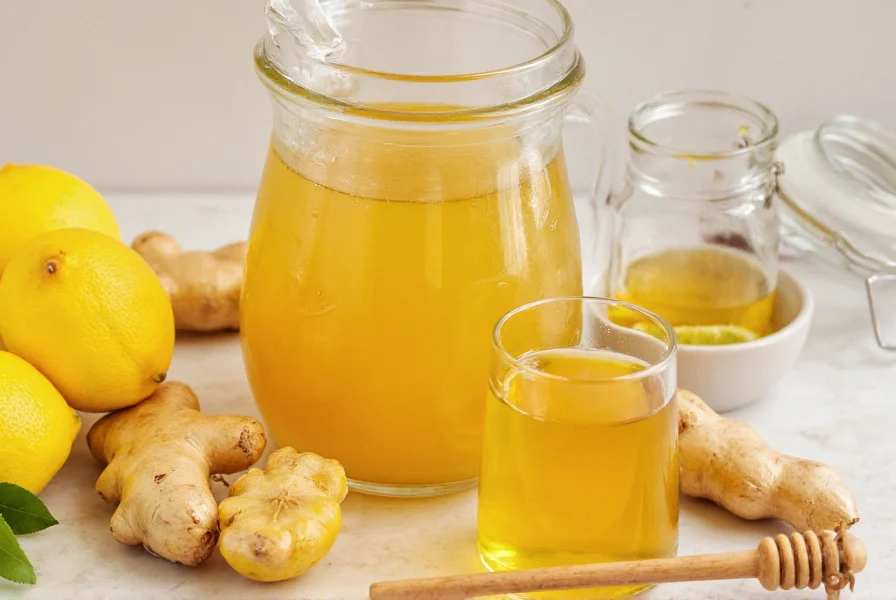
When to Enjoy Ginger Lemon Tea
This versatile beverage fits multiple daily moments:
- Morning: Jumpstart digestion (best before breakfast)
- After meals: Aids digestion and reduces bloating
- Evening: Soothing alternative to caffeinated drinks
- During illness: Every 2-3 hours when experiencing cold symptoms
Frequently Asked Questions
How much ginger should I use for one cup of tea?
For a standard 8-ounce cup, use a 1-inch piece of fresh ginger (about 15 grams). This provides optimal flavor without overwhelming spiciness. Adjust to personal preference—some enjoy up to 2 inches for stronger tea, but exceeding this may cause bitterness.
Can I use ground ginger instead of fresh?
While fresh ginger delivers superior flavor and maximum health benefits, you can substitute ¼ teaspoon ground ginger when fresh isn't available. Note that ground ginger produces a different flavor profile and contains fewer active compounds. For best results, increase steeping time to 12 minutes when using powdered ginger.
How long does homemade ginger lemon tea stay fresh?
Brewed ginger tea (without lemon) stays fresh in a sealed glass container in the refrigerator for 3-5 days. Add lemon juice only when serving, as citrus causes faster degradation. For longest shelf life, prepare a ginger concentrate (double strength) without lemon, then dilute with hot water and add fresh lemon when serving.
Is it better to drink ginger lemon tea hot or cold?
Both temperatures offer benefits. Hot tea provides immediate soothing effects for sore throats and congestion, while cold ginger lemon tea serves as a refreshing digestive aid. The active compounds remain effective at both temperatures, though some compounds extract better in hot water. For immune support during illness, hot tea is generally preferred.
Can I make ginger lemon tea without honey?
Absolutely. Honey adds complementary flavor and additional soothing properties, but the tea is delicious without sweetener. For natural sweetness without honey, try adding a thin slice of apple during steeping or a pinch of stevia. Many enjoy the clean, spicy-citrus flavor without any sweetener, especially when consumed for health purposes.




 浙公网安备
33010002000092号
浙公网安备
33010002000092号 浙B2-20120091-4