
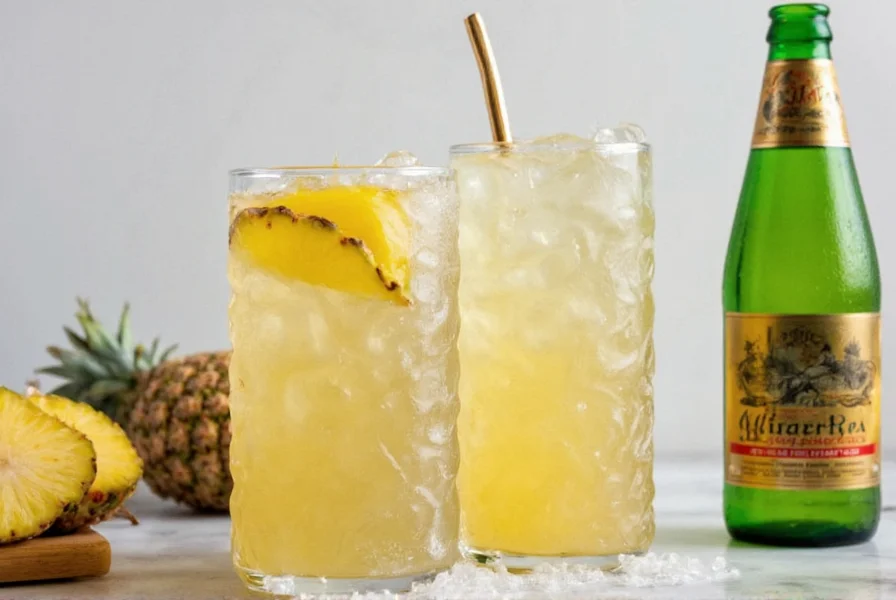
When exploring the world of pineapple ginger ale, you'll discover it's more than just a simple mixer. This delightful beverage fusion has gained popularity for its unique flavor profile and versatility in both non-alcoholic and alcoholic preparations. The natural enzymes in pineapple combined with ginger's digestive properties create a drink that's not only refreshing but potentially beneficial for settling an upset stomach.
Understanding the Flavor Profile
Pineapple ginger ale offers a complex taste experience that balances multiple elements. The tropical sweetness of pineapple juice or extract counteracts ginger's characteristic spicy bite, while the carbonation adds a refreshing effervescence. When properly balanced, this combination creates a beverage that's neither too sweet nor too spicy, making it appealing to a wide range of palates.
Commercial versions typically maintain a 60-40 ratio favoring the ginger ale base with pineapple notes, while homemade preparations allow for complete customization based on personal preference. Some prefer a stronger pineapple presence for a sweeter drink, while others emphasize the ginger for more pronounced digestive benefits.
Homemade Pineapple Ginger Ale Recipe
Creating your own homemade pineapple ginger ale gives you complete control over ingredients and flavor intensity. This simple recipe yields a refreshing beverage perfect for any occasion:
| Ingredient | Measurement | Notes |
|---|---|---|
| Fresh pineapple juice | 1 cup | Extracted from 1 medium pineapple |
| Quality ginger ale | 3 cups | Choose one with real ginger |
| Fresh lime juice | 2 tablespoons | For brightness |
| Fresh mint leaves | 6-8 | Optional garnish |
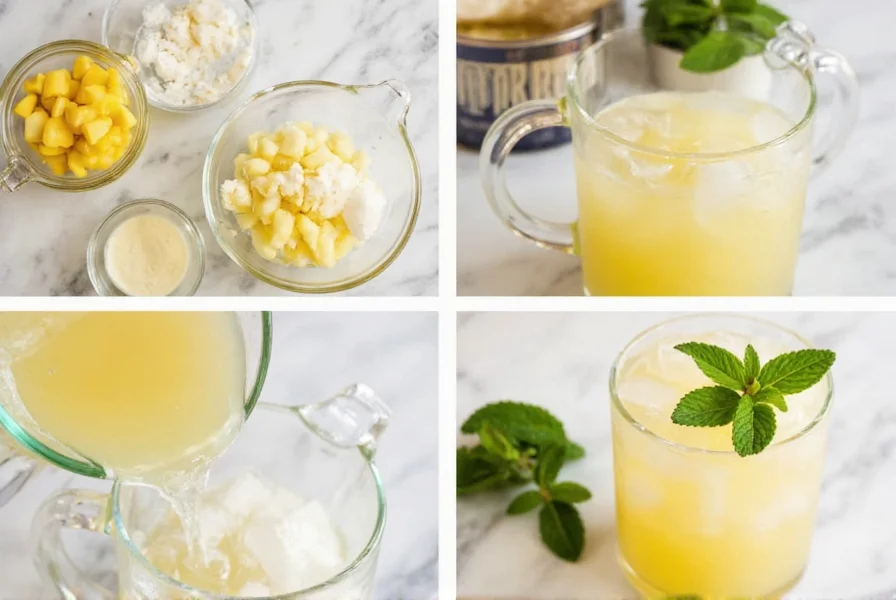
Preparation: Chill all ingredients before mixing. Combine pineapple juice and lime juice in a pitcher. Slowly add ginger ale while stirring gently to preserve carbonation. Serve immediately over ice with mint garnish. For a more intense pineapple flavor, muddle fresh pineapple chunks in the bottom of the glass before adding the mixture.
Variations and Customizations
The beauty of pineapple ginger ale variations lies in their adaptability to different tastes and occasions. Consider these popular modifications:
- Spicy kick: Add a thin slice of fresh ginger to each glass for extra heat
- Tropical twist: Mix in a splash of coconut water for additional complexity
- Cocktail version: Add 1.5 oz of light rum or vodka for an adult beverage
- Mocktail sophistication: Include a dash of bitters for depth without alcohol
- Frozen treat: Blend with ice for a slushy version perfect for hot days
Serving Suggestions
Pineapple ginger ale shines in multiple contexts beyond being a simple soft drink. Its versatility makes it an excellent choice for various serving scenarios:
As a pineapple ginger ale mocktail, it serves as a sophisticated non-alcoholic option for celebrations. The natural sweetness and carbonation make it particularly appealing as a brunch beverage, especially when paired with spicy foods that might otherwise overwhelm the palate.
For those exploring pineapple ginger ale cocktail possibilities, it forms an excellent base for tropical-inspired mixed drinks. Bartenders often use it as a modifier in rum-based cocktails, where the pineapple complements the spirit while the ginger adds complexity.
Digestive Benefits and Considerations
Many people reach for pineapple ginger ale for upset stomach relief, and there's scientific basis for this preference. Both key ingredients contain compounds that may support digestive health:
Ginger contains gingerol, a bioactive compound with anti-nausea properties that has been studied for its effectiveness in reducing nausea and vomiting. Pineapple contains bromelain, an enzyme that aids in protein digestion. While commercial ginger ale often contains less actual ginger than homemade versions, the combination still offers potential digestive benefits without the sugar content of many traditional soft drinks.
It's important to note that while many find relief from mild digestive discomfort with this beverage combination, it shouldn't replace medical treatment for serious conditions. Those monitoring sugar intake should be aware that some commercial pineapple ginger ale products contain added sugars.
Commercial Options Worth Trying
For those who prefer convenience over preparation, several quality best pineapple ginger ale brands offer ready-to-drink options. When selecting a commercial product, check the ingredient list for:
- Real ginger extract rather than artificial flavors
- Natural pineapple juice rather than high-fructose corn syrup
- Minimal added sugars
- No artificial preservatives or colors
Several craft soda makers now produce small-batch pineapple ginger ale with superior flavor profiles compared to mass-market options. These specialty products often use cold-pressed pineapple juice and real ginger root for a more authentic taste experience.
Storage and Shelf Life
Homemade pineapple ginger ale mixtures are best consumed immediately to preserve carbonation and freshness. If you must store it, keep the pineapple juice component separate from the ginger ale until ready to serve. Pineapple juice can be refrigerated for 3-4 days, while opened ginger ale maintains carbonation for 2-3 days when properly sealed.
Commercial pineapple ginger ale products typically have a shelf life of 6-9 months when unopened and stored in a cool, dark place. Once opened, consume within 3-5 days for optimal flavor and carbonation.




 浙公网安备
33010002000092号
浙公网安备
33010002000092号 浙B2-20120091-4