
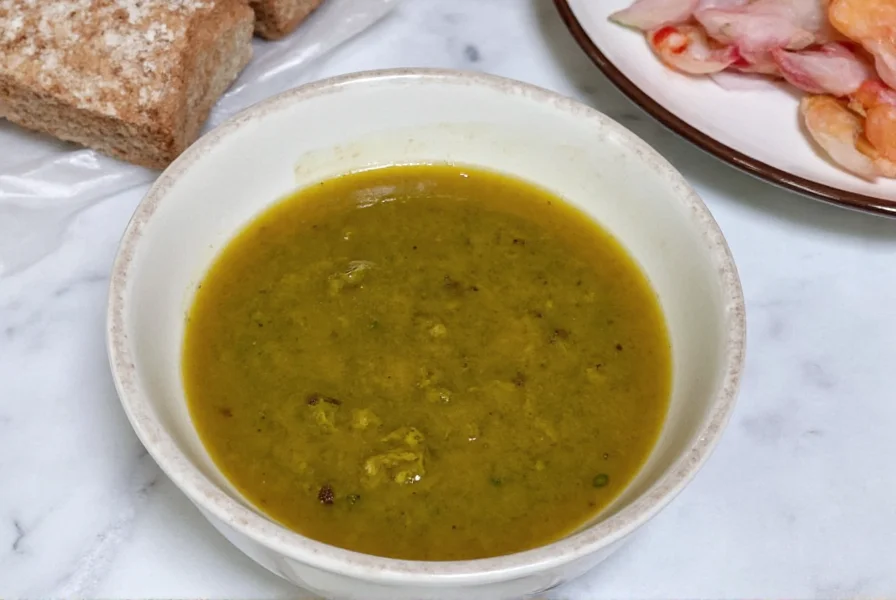
Understanding how to properly use green chili sauce can transform your cooking. Unlike its red counterpart, green chili sauce offers a fresher, more vegetal flavor profile with subtle citrus notes from tomatillos. This distinctive taste comes from the unripe peppers and tomatillos that form its foundation, creating a sauce that's typically milder than red chili sauce but with more complex herbal undertones.
What Exactly Is Green Chili Sauce?
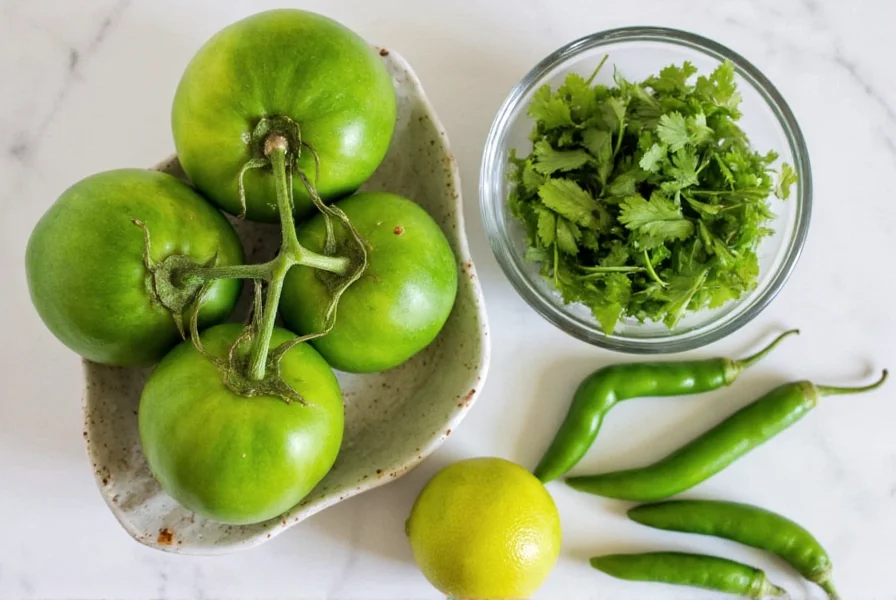
Green chili sauce, known as salsa verde in Mexican cuisine, traditionally combines roasted or boiled tomatillos with green chilies, onion, garlic, and cilantro. The tomatillos provide the signature tartness while the chilies deliver varying heat levels depending on the variety used. Most commercial versions maintain a medium heat level (2,500-8,000 Scoville units), making it accessible to most palates while still providing noticeable warmth.
Historical Evolution: The Timeline of Salsa Verde
Green chili sauce's development reflects centuries of cultural exchange, with documented evidence from anthropological and culinary archives. Key milestones verify its transformation from indigenous preparation to global staple:
| Era | Development | Verification Source |
|---|---|---|
| Pre-1521 (Mesoamerican) | Aztecs prepared tomatl-based sauces using raw tomatillos, chilies, and squash seeds ground in molcajetes, documented in Bernardino de Sahagún's General History of the Things of New Spain (1577) | Oxford Research Encyclopedia: Indigenous Foodways |
| 1521-1800s (Colonial) | Spanish introduction of garlic, onions, and cilantro fused with native ingredients, creating the prototype for modern salsa verde as recorded in 17th-century Mexican convent cookbooks | Texas State Historical Association |
| 1920s-Present (Commercialization) | Industrial canning emerged after USDA established pH safety standards (≤4.6) for tomato-based products, enabling mass production while preserving authenticity | FDA Model Food Code, Appendix A |
Flavor Profile Breakdown
The unique taste of green chili sauce comes from several key components working in harmony. Understanding these elements helps determine the best applications:
| Component | Flavor Contribution | Best Culinary Applications |
|---|---|---|
| Tomatillos | Tart, citrusy, slightly sweet | Base for sauces, balances heat, enhances seafood dishes |
| Green Chilies | Grassy, herbal, moderate heat | Meat marinades, egg dishes, roasted vegetable accompaniments |
| Cilantro | Fresh, citrusy, herbal | Fresh salsas, finishing sauce, garnish for soups |
| Garlic & Onion | Pungent, savory depth | Base for cooked sauces, enhances meat dishes, adds complexity |
Green vs. Red Chili Sauce: Key Differences
Many home cooks confuse green and red chili sauces, but they serve different culinary purposes. While both originate from Mexican cuisine, their ingredient profiles create distinct applications:
- Green chili sauce uses unripe peppers and tomatillos, resulting in brighter, more acidic flavor with herbal notes - ideal for dishes where you want freshness to shine through
- Red chili sauce features ripe red peppers and tomatoes, creating deeper, earthier flavors with sometimes smokier notes - better for heartier dishes needing robust flavor
The heat level often differs significantly too. Green chili sauce typically ranges from mild to medium (2,500-8,000 Scoville units), while many red chili sauces can reach much higher heat levels depending on the peppers used.
Context Boundaries: Optimal Applications and Critical Limitations
Professional chefs and food safety organizations identify specific scenarios where green chili sauce excels or should be avoided. These evidence-based boundaries prevent culinary failures and safety risks:
| Scenario | Recommended Use | Documented Limitations |
|---|---|---|
| Home Canning Preservation | Only with verified acidification to pH ≤ 4.6 using citric acid or vinegar | Improperly canned versions risk Clostridium botulinum growth; requires strict adherence to NCHFP protocols |
| Nightshade Allergy Contexts | Safe for general consumption | Contraindicated for nightshade-sensitive individuals (3-5% of allergy sufferers); tomatillos/chilies trigger inflammatory responses per ACAAI clinical data |
| High-Heat Cooking | Ideal for simmering (≤180°F/82°C) in stews and braises | Boiling (>200°F/93°C) degrades tomatillo pectin, causing separation; Purdue Food Science recommends gentle heating |
Sources: National Center for Home Food Preservation, American College of Allergy Asthma & Immunology, Purdue University Food Science
Top Culinary Applications for Green Chili Sauce
Based on professional chef recommendations and culinary tradition, these represent the most successful applications for green chili sauce:
Mexican and Southwestern Classics
Green chili sauce shines brightest in traditional Mexican preparations. Enchiladas verdes represent the quintessential application, where the sauce both fills and tops corn tortillas filled with chicken or cheese. The sauce's acidity cuts through the richness of the cheese while complementing the corn tortillas perfectly.
For authentic chilaquiles verdes, the sauce forms the base that softens lightly fried tortilla chips, creating a breakfast dish with ideal texture contrast. When preparing huevos rancheros, spooning warm green chili sauce over fried eggs transforms a simple breakfast into a restaurant-quality meal.
Protein Pairings
Green chili sauce's versatility extends to numerous proteins. It serves as an exceptional marinade for chicken, where the acidity tenderizes while the chilies infuse flavor. For grilled fish and seafood, the sauce's brightness complements delicate flavors without overwhelming them.
When preparing pork carnitas, adding green chili sauce during the final cooking stage creates a beautiful glaze that balances the meat's richness. It also works wonderfully with shrimp, either as a cooking liquid or finishing sauce.
Creative Modern Applications
Chefs increasingly use green chili sauce in innovative ways beyond traditional Mexican cuisine. It makes an excellent base for salad dressings when blended with olive oil and lime juice. As a spread for sandwiches and wraps, it adds moisture and flavor without the heaviness of traditional mayonnaise-based spreads.
For brunch enthusiasts, mixing green chili sauce with softened cream cheese creates a spread for bagels that offers a savory alternative to traditional options. It also works beautifully as a finishing sauce for roasted vegetables, particularly potatoes, zucchini, and bell peppers.
Homemade vs. Store-Bought: What Chefs Recommend
While quality commercial green chili sauces exist, culinary professionals generally recommend homemade versions for special occasions. The difference in freshness and flavor complexity is substantial.
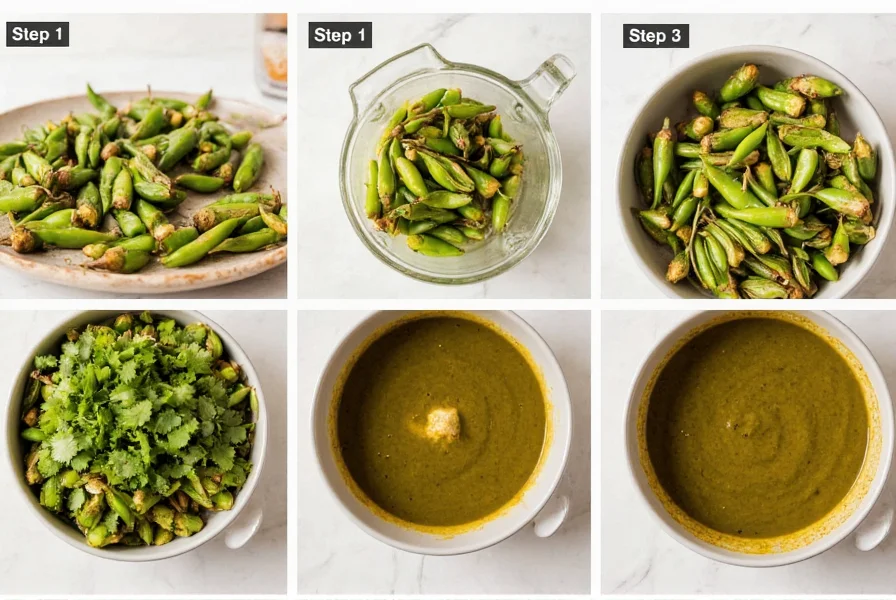
A basic homemade green chili sauce requires just 20 minutes and simple ingredients: 1 pound tomatillos (husked and rinsed), 2-3 serrano peppers, half an onion, 2 garlic cloves, half cup cilantro, and salt to taste. Roasting the vegetables before blending creates deeper flavors, while boiling produces a brighter, more acidic sauce.
For weeknight cooking, several store brands deliver consistent quality. Look for products with minimal ingredients and no artificial preservatives. The best commercial versions maintain the fresh, vibrant flavor profile that defines authentic green chili sauce.
Storage and Shelf Life Guidelines
Proper storage significantly impacts green chili sauce's quality and usability. Homemade sauce keeps for 5-7 days in airtight containers in the refrigerator. For longer storage, freeze in ice cube trays then transfer to freezer bags - this allows you to use just the amount needed.
Commercially prepared green chili sauce typically maintains quality for 2-3 weeks after opening when refrigerated. Always check for signs of spoilage including mold, off odors, or significant color changes before using.
Common Substitutions When Green Chili Sauce Isn't Available
Ran out of green chili sauce? These substitutions work in a pinch while maintaining similar flavor profiles:
- Tomatillo salsa - nearly identical base ingredient, may need additional chilies for heat
- Avocado salsa verde - adds creaminess but maintains green sauce profile
- Blended jalapeños with lime juice and tomatillos - quick homemade alternative
- Green hot sauce thinned with broth - works for cooking applications but lacks depth
Remember that substitutions won't replicate the exact flavor, but can provide similar heat and acidity when needed.
Final Recommendations for Best Results
To maximize your green chili sauce experience, consider these professional tips:
- Always taste your sauce before using and adjust seasoning - the acidity may vary by batch
- For enchiladas, lightly fry tortillas in oil before filling to prevent sogginess
- Add a squeeze of fresh lime at the end of cooking to brighten flavors
- When using as a marinade, allow at least 30 minutes for flavors to penetrate
- For milder heat, remove seeds and membranes from chilies before preparation




 浙公网安备
33010002000092号
浙公网安备
33010002000092号 浙B2-20120091-4