

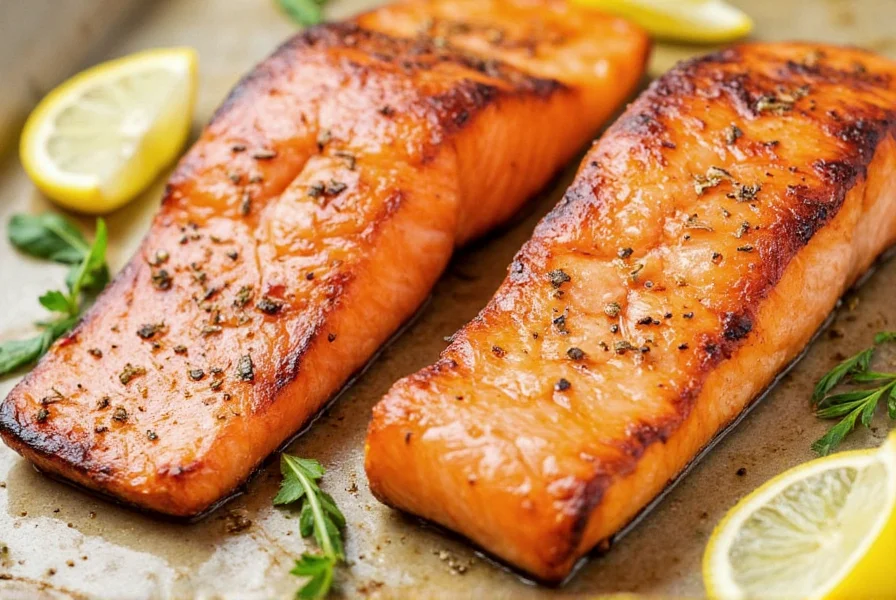
This lemon pepper salmon recipe delivers perfectly cooked, flaky salmon with a crispy skin and vibrant citrus flavor in just 20 minutes. The simple 5-ingredient seasoning blend creates a restaurant-quality dish using pantry staples, requiring only fresh salmon fillets, lemon pepper seasoning, olive oil, fresh lemon, and salt.
Creating exceptional lemon pepper salmon doesn't require culinary expertise—just the right technique and timing. This foolproof method guarantees moist, flavorful salmon every time, making it ideal for weeknight dinners or impressing guests. The magic happens when the high heat of your oven or air fryer transforms the simple seasoning into a golden crust while keeping the interior tender and flaky.
Why This Lemon Pepper Salmon Recipe Works
The success of this easy lemon pepper salmon recipe lies in three critical elements: proper seasoning ratio, optimal cooking temperature, and precise timing. Unlike many online recipes that drown salmon in excessive oil or overpowering spices, this balanced approach lets the fish's natural flavor shine through while adding just enough zing from the lemon pepper blend.
Ingredients for Perfect Lemon Pepper Salmon
Use these exact measurements for consistently delicious results. All ingredients should be at room temperature before cooking for even preparation.
| Ingredient | Amount | Preparation Notes |
|---|---|---|
| Salmon fillets (skin-on) | 4 (6 oz each) | Cut evenly for consistent cooking |
| Lemon pepper seasoning | 2 tbsp | Homemade or quality store-bought |
| Olive oil | 1 tbsp | Extra virgin for best flavor |
| Fresh lemon | 1 | Thinly sliced for garnish |
| Salt | ¼ tsp | Kosher salt preferred |
Step-by-Step Cooking Instructions
Preparation (5 minutes)
- Pat salmon fillets completely dry with paper towels—this crucial step ensures crispy skin
- Place fillets skin-side down on cutting board and check for any remaining pin bones
- In small bowl, mix lemon pepper seasoning with olive oil to create a paste
- Gently rub seasoning mixture evenly over flesh side of salmon
- Sprinkle salt on skin side only (the skin won't be eaten)
Cooking Method Options
Choose your preferred cooking method based on equipment availability and desired texture:
| Cooking Method | Temperature | Time | Best Result |
|---|---|---|---|
| Oven Baking | 400°F (200°C) | 12-15 minutes | Evenly cooked throughout |
| Air Fryer | 380°F (190°C) | 10-12 minutes | Crispiest skin possible |
| Pan-Seared | Medium-high heat | 6-8 minutes | Restaurant-style crust |
Cooking Process (12-15 minutes)
- For oven method: Place salmon flesh-side up on parchment-lined baking sheet
- For air fryer: Position salmon in basket skin-side down without overcrowding
- Cook until internal temperature reaches 125°F (52°C) for medium-rare or 135°F (57°C) for medium
- Remove from heat 5°F below target temperature (carryover cooking will continue)
- Rest for 3-5 minutes before serving with fresh lemon wedges
Pro Tips for Best Results
- Dry skin is critical: After patting dry, let salmon sit uncovered in refrigerator for 30 minutes before cooking
- Seasoning ratio matters: Use exactly 1½ tsp lemon pepper per 6oz fillet for balanced flavor
- Don't overcrowd: Leave at least 1 inch between fillets for proper air circulation
- Check early: Salmon cooks quickly—start checking 2 minutes before minimum time
- Serve immediately: Salmon texture deteriorates quickly after cooking
Serving Suggestions for Your Lemon Pepper Salmon
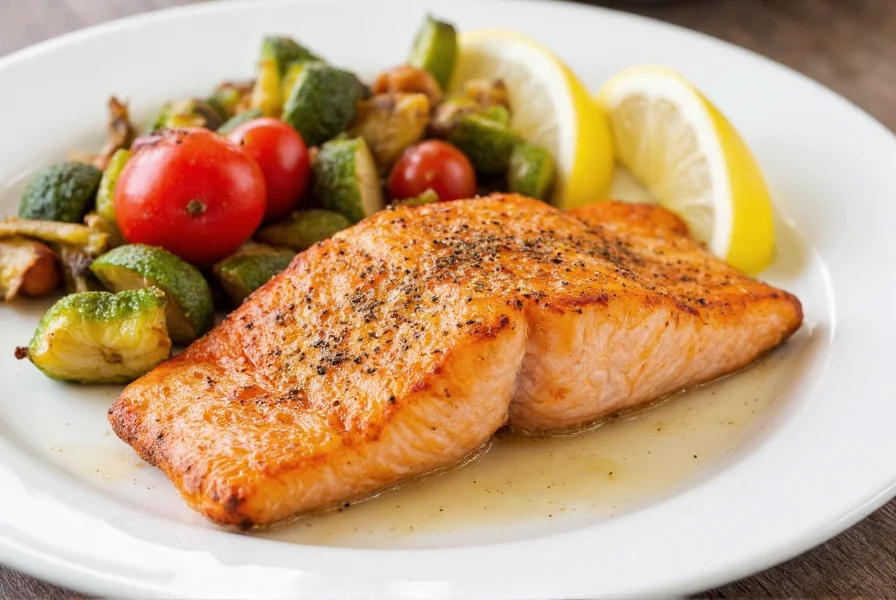
This versatile dish pairs beautifully with various sides. For a complete 30-minute meal, consider these healthy combinations:
- Roasted asparagus and quinoa for a complete protein-packed dinner
- Garlic sautéed spinach with cherry tomatoes for a low-carb option
- Lemon herb rice pilaf for a comforting meal
- Avocado salad with arugula and balsamic dressing for summer evenings
Storage and Reheating Instructions
While lemon pepper salmon tastes best fresh, you can store leftovers properly:
- Refrigerate within 2 hours of cooking in airtight container
- Consume within 2 days for optimal quality and safety
- To reheat: Place on baking sheet at 275°F (135°C) until internal temperature reaches 120°F (49°C)
- Never microwave salmon—it becomes rubbery and loses flavor
- Do not freeze cooked salmon as texture becomes unpleasant
Troubleshooting Common Issues
Even experienced cooks encounter challenges with salmon. Here's how to solve frequent problems:
- Sticking skin: Ensure cooking surface is properly preheated and oil is shimmering before adding salmon
- Dry salmon: Overcooking is the culprit—use thermometer and remove at 125°F for medium-rare
- Bland flavor: Increase lemon pepper by ¼ tsp per fillet or add 1 minced garlic clove to seasoning mix
- Soggy skin: Pat fish extremely dry and avoid flipping during cooking
- Uneven cooking: Choose fillets of similar thickness or tuck thinner ends under
Frequently Asked Questions
Can I use frozen salmon for this lemon pepper salmon recipe?
Yes, but proper thawing is essential. Transfer frozen salmon to refrigerator 24 hours before cooking. Never cook frozen salmon for this recipe as it will steam instead of sear, resulting in poor texture and flavor absorption. Pat thoroughly dry after thawing.
What's the best lemon pepper seasoning ratio for salmon?
The ideal ratio is 1½ teaspoons of lemon pepper seasoning per 6-ounce salmon fillet. This provides balanced flavor without overpowering the fish. For stronger lemon flavor, add ½ teaspoon of lemon zest to the seasoning mixture. Avoid pre-made blends with excessive salt if using additional salt in the recipe.
How do I know when lemon pepper salmon is perfectly cooked?
Perfectly cooked salmon reaches 125°F (52°C) for medium-rare or 135°F (57°C) for medium. The flesh should easily flake with fork pressure while maintaining translucent center for medium-rare. Remember that salmon continues cooking after removal from heat (carryover cooking), so remove it 5°F below your target temperature.
Can I make this lemon pepper salmon recipe without skin?
Yes, but skin-on produces superior results. The skin protects the delicate flesh during cooking and creates a delicious crispy element. If using skinless fillets, reduce cooking time by 2-3 minutes and handle more carefully as they're more fragile. Consider placing skinless fillets on a bed of lemon slices to prevent sticking and add moisture.
What side dishes pair best with lemon pepper salmon?
Light, fresh sides complement lemon pepper salmon best. Try roasted asparagus with garlic, quinoa pilaf with herbs, or a simple arugula salad with lemon vinaigrette. For heartier meals, pair with roasted sweet potatoes or lemon herb rice. Avoid heavy cream sauces that compete with the delicate citrus flavor of the salmon.




 浙公网安备
33010002000092号
浙公网安备
33010002000092号 浙B2-20120091-4