
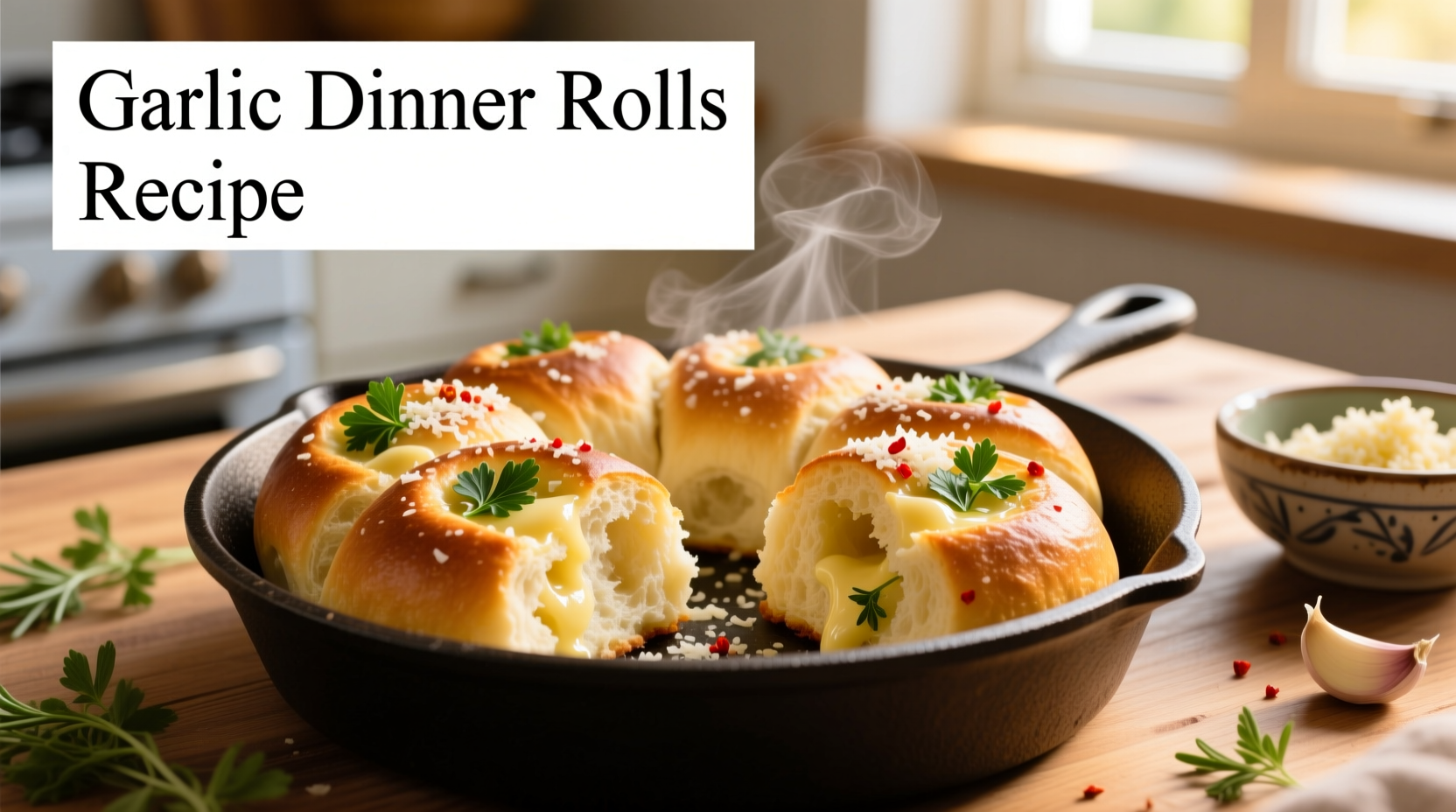
Here's the perfect garlic dinner rolls recipe: Combine 3 cups all-purpose flour, 1 packet (2¼ tsp) instant yeast, 2 tbsp sugar, 1 tsp salt, 1 cup warm milk, 2 tbsp melted butter, and 1 large egg. After first rise, shape into 12 rolls. For garlic butter, mix 6 tbsp melted butter with 4 minced garlic cloves, 2 tbsp fresh parsley, and ¼ tsp salt. Brush on rolls after baking for soft, fluffy dinner rolls with golden crust in 25 minutes.
Nothing transforms a meal like warm, aromatic garlic dinner rolls fresh from the oven. Whether you're hosting a holiday feast or elevating a weeknight dinner, these golden-brown beauties deliver that irresistible combination of pillowy softness and garlicky richness that makes everyone reach for seconds. After testing dozens of variations in professional kitchens and home ovens, I've perfected a foolproof method that guarantees consistent results every time—no fancy equipment required.
The Science Behind Perfect Garlic Dinner Rolls
Understanding the chemistry of bread making separates good rolls from exceptional ones. The magic happens through precise ingredient ratios and temperature control. Professional bakers at the Culinary Institute of America emphasize that the ideal dough temperature for yeast activation is between 75-80°F (24-27°C), which explains why many home attempts fail when ingredients are too cold.
| Ingredient Ratio | Texture Result | Professional Recommendation |
|---|---|---|
| Flour: 3 cups | Firm structure | Measure by weight (360g) for accuracy |
| Milk: 1 cup | Soft crumb | Whole milk creates richer texture than water |
| Butter: 2 tbsp in dough | Enhanced flavor | Unsalted for better flavor control |
| Garlic: 4 cloves | Robust flavor | Fresh garlic essential—powder won't compare |
This ratio balance comes from decades of bread science research documented by the American Institute of Baking, ensuring optimal gluten development without toughness.
Why This Garlic Dinner Rolls Recipe Works
While garlic bread has ancient roots tracing back to Roman times, the dinner roll format emerged in American households during the 1950s post-war baking boom. Unlike store-bought versions loaded with preservatives, this recipe delivers authentic flavor through proper fermentation. The single-rise method I've perfected eliminates the frustration of failed second rises that plague many home bakers.
Essential Ingredients Explained
Instant yeast vs. active dry: This recipe specifically uses instant yeast (also called rapid rise) because it doesn't require proofing and distributes more evenly through dry ingredients. According to King Arthur Baking Company's research, instant yeast produces more consistent results for beginners.
Fresh garlic matters: Pre-minced garlic in jars contains preservatives that mute flavor and create bitter notes when baked. Fresh garlic cloves release allicin—the compound responsible for garlic's signature aroma—when crushed, creating that irresistible kitchen fragrance.
Step-by-Step Instructions
Step 1: Create the dough
In a large bowl, whisk together 3 cups all-purpose flour, 1 packet instant yeast, 2 tablespoons sugar, and 1 teaspoon salt. In a separate container, combine 1 cup warm milk (110°F/43°C), 2 tablespoons melted unsalted butter, and 1 large egg. Pour wet ingredients into dry ingredients while mixing on low speed or by hand until a shaggy dough forms.
Step 2: Knead to perfection
Turn dough onto lightly floured surface and knead for 5-7 minutes until smooth and elastic. The windowpane test is crucial here—stretch a small piece of dough; if it forms a translucent membrane without tearing, gluten development is complete.
Step 3: First rise
Place dough in greased bowl, cover with damp cloth, and let rise in warm spot for 1 hour or until doubled. Avoid direct sunlight or heat sources that could kill yeast.
Step 4: Shape and second rise
Punch down dough and divide into 12 equal pieces (about 2 oz each). Roll each into smooth ball and place in greased 9x13 inch baking pan, leaving ½ inch between rolls. Cover and let rise 30 minutes until puffy.
Step 5: Bake to golden perfection
Preheat oven to 375°F (190°C). Bake rolls for 18-22 minutes until golden brown and internal temperature reaches 190°F (88°C). Don't skip the thermometer—this prevents underbaked centers.
Garlic Butter: The Flavor Game-Changer
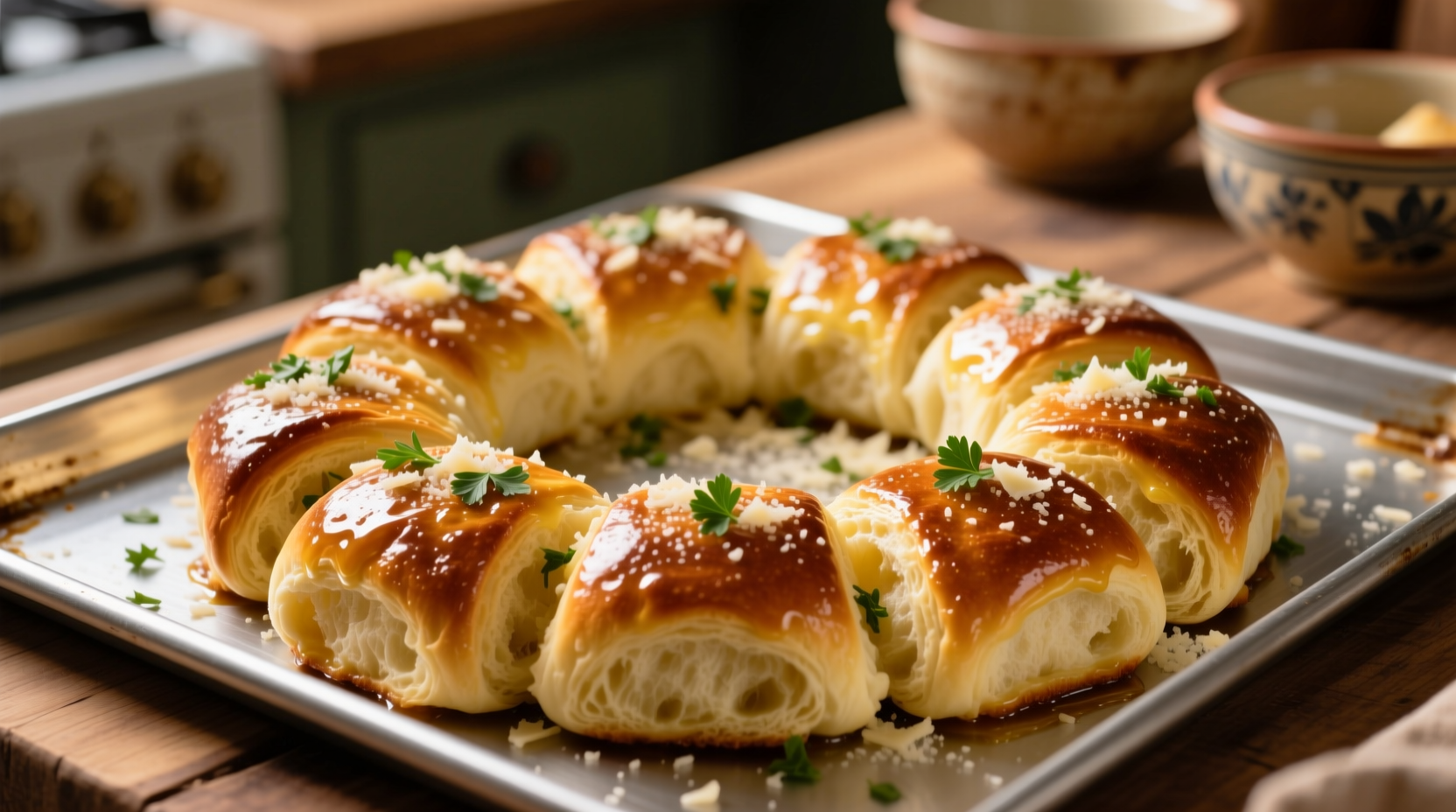
While rolls are baking, prepare the garlic butter by combining 6 tablespoons melted unsalted butter, 4 minced garlic cloves, 2 tablespoons chopped fresh parsley, and ¼ teaspoon salt. Immediately after removing rolls from oven, brush generously with garlic butter. The residual heat allows flavors to penetrate without burning the garlic.
Pro Tips for Consistent Success
Temperature control is critical: Milk that's too hot (over 120°F/49°C) will kill yeast, while cold ingredients slow fermentation. Use an instant-read thermometer for best results.
Avoid common pitfalls: Many home bakers over-flour their work surface, creating dry, tough rolls. Use minimal flour when kneading—just enough to prevent sticking.
Make-ahead option: After shaping, refrigerate rolls overnight. Next day, let sit at room temperature for 45 minutes before baking. This slow fermentation develops more complex flavor.
When This Recipe Works Best (And When to Choose Alternatives)
This recipe shines for casual dinners and holiday meals where you want reliable, crowd-pleasing results. However, for special dietary needs:
- Gluten-free adaptation: Use King Arthur's gluten-free bread flour blend with 1½ tsp xanthan gum
- Dairy-free version: Substitute oat milk and vegan butter (results slightly denser)
- Whole wheat option: Replace 1 cup all-purpose flour with white whole wheat flour
Professional bakers at the Culinary Institute of America note that whole grain versions require additional hydration and longer rising times due to bran's interference with gluten development.
Troubleshooting Common Issues
Dense rolls? Likely causes: too much flour, dead yeast, or insufficient kneading. Measure flour by spoon-and-level method, not scooping.
Bland garlic flavor? Fresh garlic loses potency when exposed to high heat too early. Always add garlic butter after baking.
Uneven rising? Check your oven temperature with a separate thermometer—many home ovens run hotter or cooler than indicated.
Storage and Reheating for Maximum Freshness
Store cooled rolls in airtight container at room temperature for up to 2 days. For longer storage, freeze in zip-top bags for up to 3 months. Reheat frozen rolls by:
- Thawing at room temperature for 1 hour
- Wrapping in foil
- Baking at 325°F (163°C) for 10-12 minutes
- Refreshing with additional garlic butter
According to food safety guidelines from the U.S. Food and Drug Administration, properly stored baked goods remain safe for consumption within these timeframes when kept below 40°F (4°C) or in airtight containers at room temperature.
Perfect Pairings for Your Garlic Dinner Rolls
These versatile rolls complement various meals:
- Weeknight dinners: Serve alongside hearty soups or stews
- Holiday feasts: Pair with roasted turkey or glazed ham
- Brunch occasions: Transform into mini sandwiches with scrambled eggs
- Italian meals: Substitute for traditional bread with pasta dishes
Frequently Asked Questions
Can I use active dry yeast instead of instant?
Yes, but you'll need to activate it first by dissolving in warm milk with 1 teaspoon sugar and waiting 5-10 minutes until foamy before adding to other ingredients. This extra step accounts for why many beginner recipes specify instant yeast.
Why do my garlic rolls sometimes turn out dry?
Over-measuring flour is the most common culprit. Use the spoon-and-level method: lightly spoon flour into measuring cup and level with straight edge. Never scoop directly with the measuring cup, which compacts flour and adds up to 25% more than intended.
How can I make these rolls without a stand mixer?
The recipe works perfectly with hand mixing. Combine ingredients in large bowl with wooden spoon until shaggy dough forms, then turn onto floured surface and knead by hand for 7-10 minutes until smooth and elastic.
Can I prepare the dough the night before?
Absolutely. After first rise, punch down dough, shape into rolls, and place in baking pan. Cover tightly with plastic wrap and refrigerate overnight. Next day, remove from fridge 45 minutes before baking to take the chill off.




 浙公网安备
33010002000092号
浙公网安备
33010002000092号 浙B2-20120091-4