
When you're managing your diet or planning meals, understanding whether potatoes qualify as starchy foods directly impacts your nutritional choices. This comprehensive guide delivers science-backed insights about potato composition, practical dietary implications, and cooking techniques that help you make informed decisions—whether you're monitoring carbohydrate intake, managing blood sugar levels, or simply curious about food science.
The Scientific Basis of Potato Starch Content
Potatoes store energy primarily as starch, a complex carbohydrate composed of glucose molecules. According to the USDA FoodData Central, a medium-sized potato (150g) contains about 26 grams of carbohydrates, with starch accounting for approximately 85-90% of those carbs. This biological adaptation allows potatoes to serve as efficient energy reservoirs in their natural growth cycle.
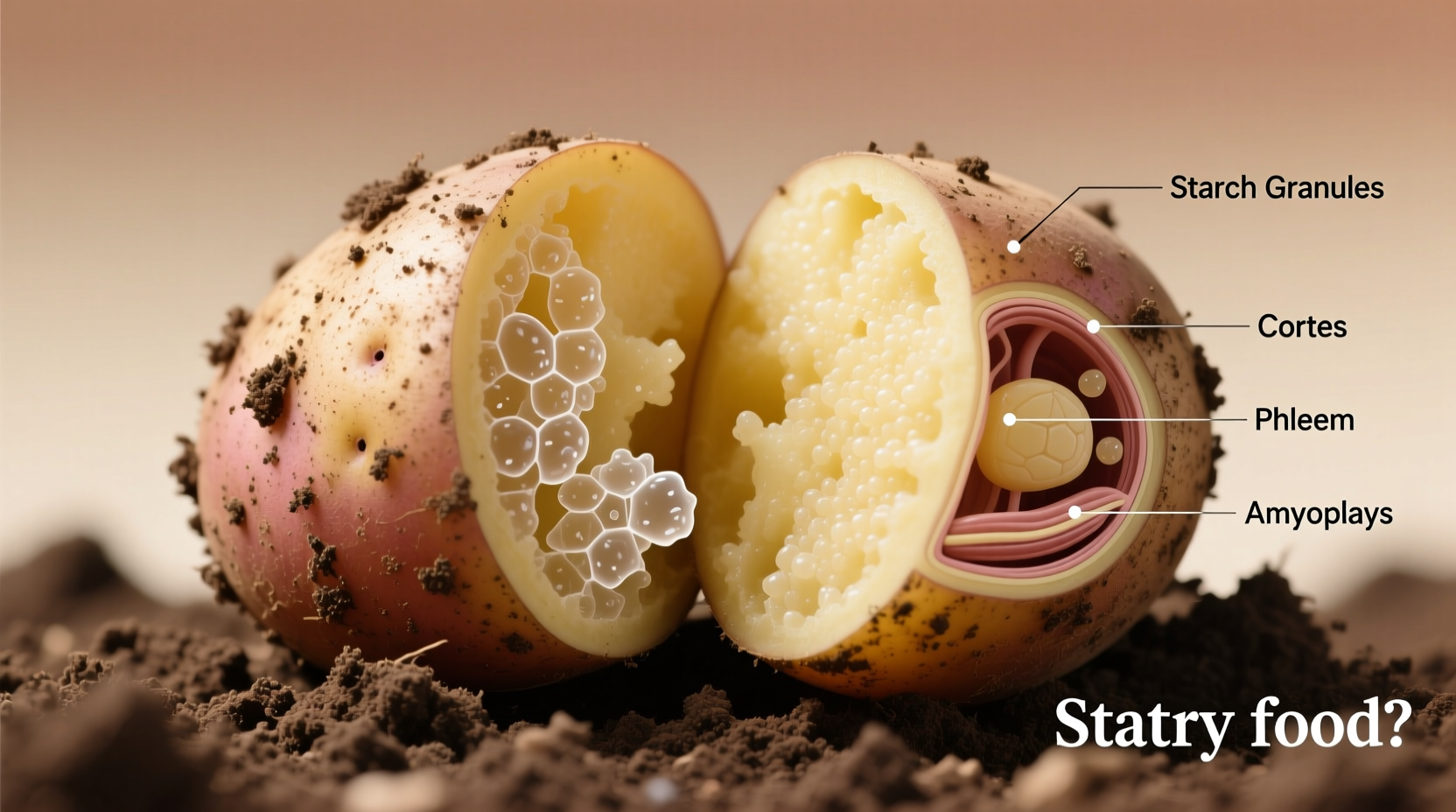
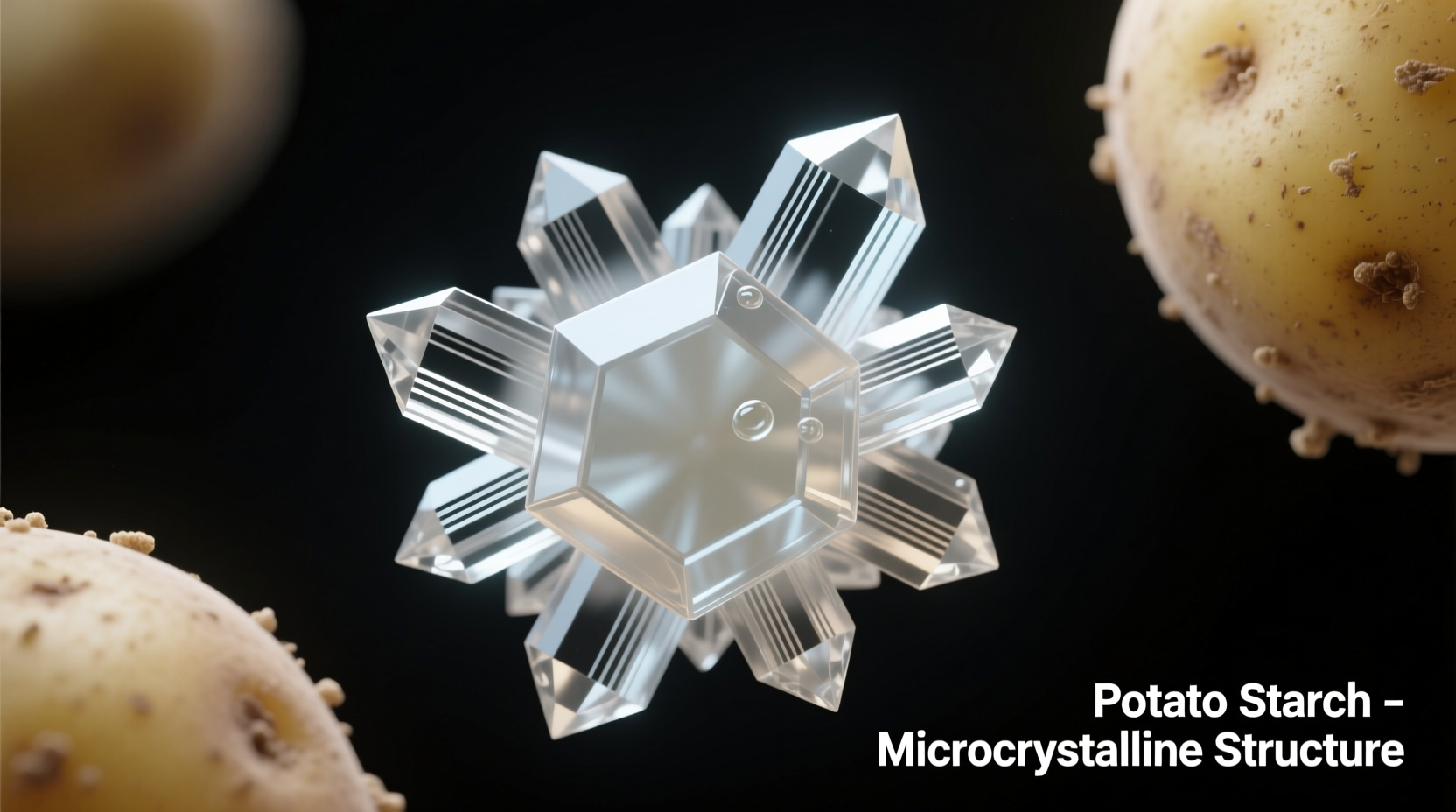
Starch exists in potatoes as microscopic granules within specialized plant cells. When raw, these granules remain tightly packed and indigestible. The cooking process causes these granules to absorb water, swell, and eventually gelatinize—transforming the potato from hard and inedible to soft and digestible. This fundamental property explains why potatoes behave differently in various cooking methods, from fluffy baked potatoes to creamy mashed preparations.
Starch Comparison Across Common Potato Varieties
| Potato Variety | Starch Content (% by weight) | Best Cooking Applications | Glycemic Index |
|---|---|---|---|
| Russet (Idaho) | 18-22% | Baking, frying, mashing | 85-110 |
| Yukon Gold | 15-18% | Mashing, roasting, boiling | 70-80 |
| Red Potatoes | 12-15% | Boiling, salads, steaming | 60-70 |
| Sweet Potatoes | 8-12% | Baking, roasting, steaming | 45-60 |
This comparison reveals significant differences in starch composition across varieties. Russets, with their high starch content, create fluffy textures ideal for baking but cause more significant blood sugar spikes. Waxy potatoes like red varieties maintain their shape when boiled due to lower starch content and higher moisture. Understanding these distinctions helps you select the right potato for both culinary results and dietary needs.
How Cooking Methods Alter Starch Availability
The way you prepare potatoes dramatically affects their starch behavior and nutritional impact. Research published in the Journal of Food Composition and Analysis demonstrates that cooking technique influences starch digestibility:
- Baking fully gelatinizes starch, making it highly digestible with a higher glycemic impact
- Boiling results in less complete gelatinization, preserving some resistant starch
- Cooling cooked potatoes increases resistant starch content by up to 50%, lowering glycemic response
- Frying creates a barrier that slows starch digestion but adds significant fat content
For those monitoring blood sugar, cooling boiled potatoes before consumption transforms some digestible starch into resistant starch—a fiber-like component that passes through the small intestine undigested. This simple technique, validated by the National Institutes of Health, can reduce the glycemic impact of potato dishes by 20-25%.
Practical Dietary Considerations for Starchy Foods
Understanding potatoes' classification as starchy foods helps you make informed dietary choices. The American Diabetes Association categorizes potatoes alongside grains and legumes as carbohydrate-containing foods that require portion awareness. A standard carbohydrate serving (15g carbs) equals about 1/3 cup of mashed potatoes or a small boiled potato (2.5" diameter).
When incorporating potatoes into balanced meals:
- Pair with protein and non-starchy vegetables to moderate blood sugar response
- Choose smaller portions of higher-starch varieties like Russets
- Consider leaving skins on for additional fiber (about 2g per medium potato)
- Combine with acidic ingredients like vinegar to further reduce glycemic impact
For those following low-carb diets, understanding that potatoes contain significantly more starch than non-starchy vegetables like broccoli or spinach (which contain 3-7g carbs per cup versus potatoes' 26g per medium potato) helps make appropriate substitutions while maintaining meal satisfaction.
Starch Management Techniques for Home Cooks
Professional chefs use specific techniques to control starch behavior in potato dishes. Drawing from culinary science principles, these practical methods help you achieve desired textures while managing nutritional impact:
- Soaking cut potatoes in cold water for 30 minutes removes surface starch, preventing sticking during roasting and creating crispier results
- Starting in cold water when boiling potatoes ensures even cooking and prevents exterior mushiness
- Adding acid (like lemon juice or vinegar) to boiling water helps maintain potato structure by strengthening pectin
- Cooking with skins on preserves nutrients and creates a natural barrier against excessive water absorption
For those concerned about carbohydrate impact, substituting 25-50% of potatoes with cauliflower in mashed preparations reduces starch content while maintaining creamy texture. This technique, recommended by dietitians at the Academy of Nutrition and Dietetics, cuts carbohydrate content nearly in half without sacrificing satisfaction.
Common Misconceptions About Potato Starch
Several myths persist about potato starch that deserve clarification. Contrary to popular belief, sweet potatoes aren't necessarily "healthier" than white potatoes—they simply contain different carbohydrate compositions. While sweet potatoes have lower starch content and higher vitamin A, white potatoes provide more potassium and vitamin C per serving.
Another misconception suggests that all starch is "bad." In reality, starch serves as an important energy source, and potatoes provide valuable nutrients alongside their carbohydrates. The key is understanding portion sizes and preparation methods rather than eliminating entire food groups. As noted by nutrition researchers at Harvard T.H. Chan School of Public Health, the quality of carbohydrates matters more than the quantity alone.




 浙公网安备
33010002000092号
浙公网安备
33010002000092号 浙B2-20120091-4