
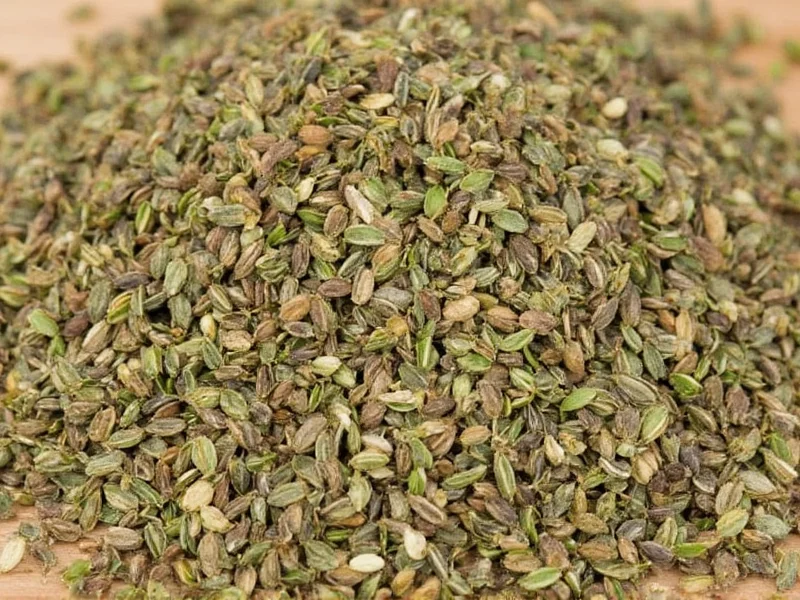
Understanding the shelf life of dried herbs like oregano helps you maximize both flavor and value in your kitchen. Unlike fresh herbs that visibly wilt or mold, dried oregano's degradation happens more subtly through chemical changes that affect its essential oils—the compounds responsible for its distinctive taste and aroma.
How Dried Oregano Changes Over Time
Dried oregano undergoes two primary changes as it ages:
- Potency loss - The volatile oils that give oregano its characteristic flavor and aroma gradually evaporate, leaving behind mostly inert plant material
- Color fading - Exposure to light causes the vibrant green color to fade toward a dull brownish hue
Unlike perishable foods that develop harmful bacteria or mold when spoiled, dried oregano's low moisture content prevents dangerous microbial growth. The primary concern with aged oregano is diminished culinary value rather than food safety risks.
Typical Shelf Life of Dried Oregano
The longevity of dried oregano depends significantly on storage conditions. Here's what to expect:
| Storage Method | Optimal Flavor Duration | Maximum Safe Duration |
|---|---|---|
| Pantry (original packaging) | 6-12 months | 18-24 months |
| Airtight container at room temperature | 1-2 years | 2-3 years |
| Refrigerated in airtight container | 2-3 years | 3-4 years |
| Freezer in vacuum-sealed package | 3+ years | Indefinitely (quality slowly declines) |
These timeframes represent when oregano maintains its best culinary properties. While dried oregano remains technically safe beyond these periods, its flavor contribution becomes increasingly negligible.
How to Tell If Dried Oregano Has Lost Quality
Check these indicators to assess your dried oregano's condition:
- Color test - Fresh dried oregano maintains a vibrant green color. Significant browning indicates advanced age
- Aroma assessment - Rub a small amount between your fingers. Strong oregano should release an immediate, pungent herbal scent. Weak or absent aroma signals potency loss
- Taste test - Place a tiny pinch on your tongue. Quality oregano delivers noticeable warmth and complexity. Flat, one-dimensional flavor means it's past prime
- Moisture check - Properly dried oregano should feel completely brittle. Any flexibility suggests moisture absorption, which could lead to mold
Proper Storage Techniques for Maximum Shelf Life
Follow these evidence-based storage methods to preserve your dried oregano's quality:
- Air-tight containment - Transfer oregano from flimsy store packaging to glass jars or metal tins with tight-sealing lids to prevent essential oil evaporation
- Light protection - Store in dark cabinets rather than clear containers on open shelves. UV light accelerates flavor degradation
- Temperature control - Keep in a cool location away from stoves, ovens, or direct sunlight. Ideal storage temperature is below 70°F (21°C)
- Moisture prevention - Never store near the sink or dishwasher. Consider adding food-safe desiccant packets to absorb ambient humidity
- Minimal air exposure - Only remove what you need immediately before use, then reseal container promptly
Using Aged Dried Oregano Effectively
If your oregano has lost significant potency but shows no signs of spoilage (mold,异味), you can still use it strategically:
- Double the recommended amount in recipes where oregano plays a supporting rather than starring role
- Add earlier in the cooking process to allow more time for flavor extraction
- Combine with fresh oregano (use 1 part fresh to 3 parts dried as equivalent)
- Grind thoroughly before use to maximize surface area and flavor release
- Use in strongly flavored dishes like tomato sauces or meat rubs where flavor absorption is enhanced
When to Discard Dried Oregano
While dried oregano rarely becomes unsafe, discard it immediately if you notice:
- Visible mold growth (fuzzy spots of white, green, or black)
- Musty, sour, or otherwise unpleasant odors
- Clumping that indicates moisture absorption
- Signs of pantry pests (webs, larvae, or adult insects)
These conditions indicate contamination that could potentially cause foodborne illness, unlike simple flavor degradation from age.
Maximizing Flavor in Your Dishes
For the best culinary results with dried oregano:
- Bloom in oil - Heat dried oregano in olive oil for 30-60 seconds before adding other ingredients to release essential oils
- Add at right time - For sauces and stews, add dried oregano during the last 15-20 minutes of cooking to preserve volatile compounds
- Measure properly - Use 1 teaspoon dried oregano for every tablespoon of fresh in substitution
- Store in small quantities - Purchase only what you'll use within 6-12 months for optimal freshness
- Buy from reputable sources - Choose products with clear harvest or processing dates for better freshness tracking
Frequently Asked Questions
Can dried oregano make you sick if it's old?
No, properly stored dried oregano doesn't become unsafe to eat as it ages. The primary issue is flavor loss rather than safety concerns. However, if you notice mold, unusual odors, or moisture, discard it immediately as these indicate potential contamination.
How can I revive old dried oregano?
While you can't fully restore aged oregano's original potency, you can maximize remaining flavor by toasting it briefly in a dry pan over low heat or blooming it in olive oil before use. Grinding it immediately before cooking also helps release remaining essential oils.
Does vacuum sealing extend dried oregano shelf life?
Yes, vacuum sealing significantly extends dried oregano's shelf life by removing oxygen that accelerates flavor degradation. When combined with freezer storage, vacuum-sealed oregano can maintain good quality for 3-4 years compared to 1-2 years in standard airtight containers at room temperature.
Is it better to store dried oregano in the refrigerator or pantry?
For most home kitchens, a cool, dark pantry provides ideal storage for dried oregano. Refrigeration can introduce moisture when removing the container, potentially reducing shelf life. However, if your kitchen experiences high humidity or temperatures above 75°F (24°C), refrigeration in an airtight container may be preferable.
How does dried oregano compare to fresh in shelf life?
Dried oregano has significantly longer shelf life than fresh oregano. Fresh oregano typically lasts 7-10 days in the refrigerator, while properly stored dried oregano maintains good quality for 1-3 years. However, fresh oregano contains higher concentrations of volatile compounds, delivering more complex flavor when used immediately after harvesting.




 浙公网安备
33010002000092号
浙公网安备
33010002000092号 浙B2-20120091-4