
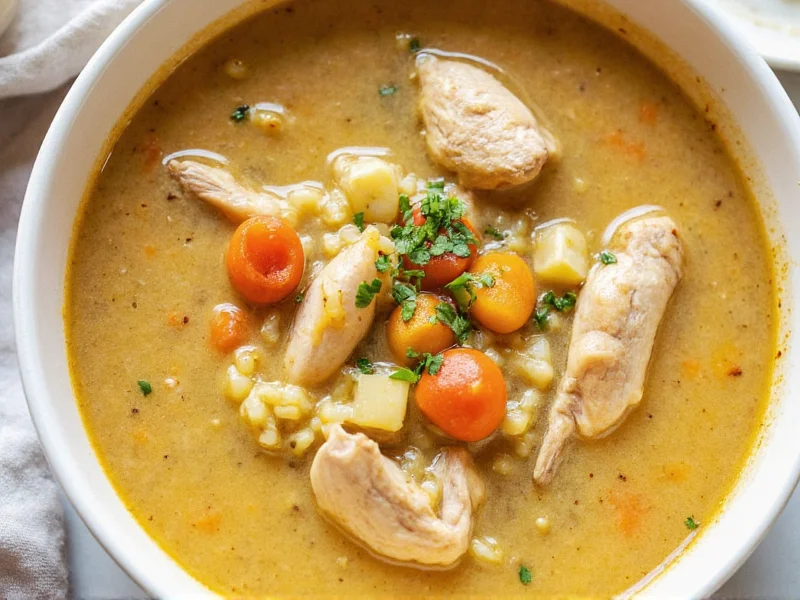
Discover why this baked chicken with cream of chicken soup recipe has become a weeknight dinner staple for families across America. The magic lies in the condensed soup's ability to create a rich, velvety sauce that keeps chicken breasts tender while infusing them with savory flavor. Unlike dry oven-baked chicken, this method guarantees juicy results every time, making it perfect for beginner cooks and busy households.
The Science Behind Creamy Baked Chicken Success
Cream of chicken soup contains starches and emulsifiers that form a protective barrier around the chicken during baking. This prevents moisture loss while allowing flavors to penetrate. The soup's concentrated stock base delivers deeper chicken flavor than homemade gravy would in the same cooking time. For optimal results, choose a standard condensed soup rather than 'healthy' or 'low-sodium' varieties, which often lack the necessary starch content for proper sauce formation.
Essential Ingredients and Smart Substitutions
The beauty of this easy baked chicken recipe with cream of chicken soup lies in its flexibility. While the core ingredients remain constant, you can adapt based on dietary needs and pantry availability:
| Ingredient | Standard Measurement | Smart Substitutions |
|---|---|---|
| Chicken breasts | 4 (6-8 oz each) | Thighs (adjust cooking time +5-7 minutes) |
| Cream of chicken soup | 1 (10.5 oz) can | Cream of mushroom or celery soup |
| Milk | 1 cup | Half-and-half (richer), broth (lighter) |
| Dry onion soup mix | 1 packet | 1 tsp onion powder + 1 tsp garlic powder |
Step-by-Step Baking Instructions
Follow these precise steps for perfect baked chicken breast with cream of chicken soup every time:
- Preheat oven to 375°F and lightly grease a 9x13-inch baking dish
- Arrange 4 chicken breasts in single layer, trimming excess fat
- In medium bowl, whisk together 1 can cream of chicken soup, 1 cup milk, and 1 packet dry onion soup mix until smooth
- Pour mixture evenly over chicken, ensuring all pieces are coated
- Bake uncovered for 35-40 minutes until chicken reaches 165°F internally
- Let rest 5 minutes before serving to allow juices to redistribute
Pro Tips for Elevated Results
Transform this simple creamy chicken bake recipe from basic to brilliant with these chef-tested techniques:
- Pound for perfection: Gently flatten chicken breasts to 1-inch thickness using a meat mallet for even cooking
- Flavor boosters: Add 1 tsp smoked paprika or 2 tbsp Dijon mustard to the soup mixture for complexity
- Crispy finish: Broil for 2-3 minutes at the end for golden topping (watch carefully)
- Vegetable integration: Nestle baby potatoes or broccoli florets around chicken before baking for a complete meal
Avoiding Common Mistakes
Even the best baked chicken with cream of chicken soup recipe can go wrong without proper technique. Steer clear of these pitfalls:
- Overbaking: Chicken continues cooking while resting. Remove at 160°F to reach perfect 165°F
- Dry sauce: Never use 'healthy' condensed soups with reduced starch content
- Uneven cooking: Rotate pan halfway through baking if your oven has hot spots
- Flavor imbalance: Taste sauce mixture before pouring; adjust salt if using regular (not low-sodium) soup
Variations for Every Dietary Need
This family-friendly baked chicken recipe adapts beautifully to various preferences:
- Gluten-free: Use gluten-free cream of chicken soup and verify all seasonings are GF
- Dairy-free: Substitute coconut milk for dairy milk and check soup label for dairy derivatives
- Low-carb: Skip the dry soup mix packet and add extra herbs for flavor without carbs
- Extra protein: Stir 1/2 cup grated parmesan into the sauce mixture before baking
Serving and Storage Guidance
Maximize enjoyment of your one-pan baked chicken with cream of chicken by following these recommendations:
- Serving: Pair with roasted vegetables or a simple green salad. Sprinkle with fresh parsley for color contrast
- Leftovers: Store in airtight container for up to 3 days. Reheat in oven at 300°F with splash of broth to maintain moisture
- Freezing: Freeze portions in individual containers for up to 2 months. Thaw overnight before reheating
- Repurposing: Shred leftover chicken for sandwiches or chop for chicken salad
Frequently Asked Questions
Can I use frozen chicken in this baked chicken recipe with cream of chicken soup?
Yes, but increase baking time by 15-20 minutes and check internal temperature carefully. For best results, thaw chicken completely in the refrigerator before baking to ensure even cooking and proper sauce absorption.
How do I prevent the sauce from becoming too thin or watery?
Use full-fat condensed soup and avoid adding extra liquid beyond the recipe's 1 cup of milk. If sauce appears thin after baking, remove chicken and simmer the sauce on stove for 3-5 minutes to reduce and thicken before serving.
What vegetables work best when baking with chicken and cream of chicken soup?
Hardier vegetables like potatoes, carrots, and Brussels sprouts can go in the dish from the start. Add softer vegetables like broccoli or zucchini during the last 15 minutes of baking to prevent overcooking. Root vegetables should be par-boiled first for even cooking.
Can I make this creamy baked chicken casserole ahead of time?
Absolutely. Assemble the dish, cover tightly, and refrigerate for up to 24 hours before baking. Add 5-7 minutes to the baking time if starting from cold. For best texture, don't add vegetables until just before baking if preparing in advance.
Why does my baked chicken turn out dry even with the soup mixture?
Dry chicken typically results from overcooking or using low-starch soup varieties. Verify your oven temperature with a thermometer, use a meat thermometer to remove chicken at exactly 160°F, and ensure you're using standard condensed cream of chicken soup (not 'healthy' versions with reduced starch).




 浙公网安备
33010002000092号
浙公网安备
33010002000092号 浙B2-20120091-4