
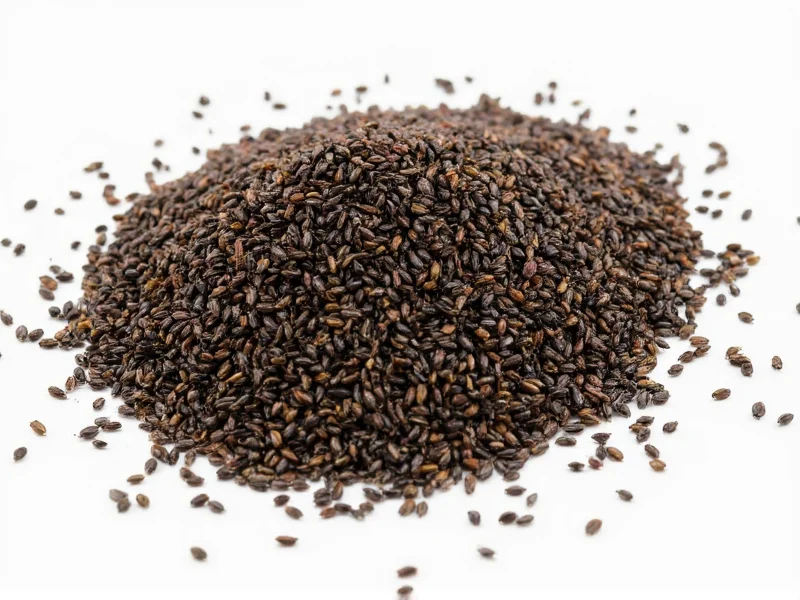
When you're in the middle of preparing a traditional Indian, Middle Eastern, or Ethiopian dish and realize you're out of nigella seeds, knowing reliable alternatives can save your recipe. Also known as kalonji or black cumin, nigella seeds have a distinctive flavor that's essential in many cultural cuisines, but several accessible substitutes can work in a pinch.
Understanding Nigella Seeds and Their Unique Flavor Profile
Nigella sativa, commonly called nigella seeds, black cumin, or kalonji, features prominently in Indian, Middle Eastern, and North African cooking. These small black seeds offer a complex flavor profile—earthy with subtle notes of onion, oregano, and pepper, plus a slight bitterness. When toasted, they develop a nutty aroma that enhances both savory and some sweet dishes.
Chefs and home cooks use nigella seeds as a finishing spice in flatbreads like naan and roti, in pickles, curries, and spice blends such as panch phoron. Their visual appeal matters too—the tiny black seeds create attractive contrast against golden breads and creamy dishes.
Historical Evolution of Nigella Seeds in Global Cuisine
Nigella sativa has been integral to culinary traditions for over three millennia, with archaeological evidence tracing its use to ancient Egyptian tombs. The spice migrated along historic trade routes, evolving from medicinal applications to staple status in regional cuisines. This chronological development demonstrates how cultural exchanges shaped its modern culinary role:
| Era | Culinary Milestone | Geographic Spread |
|---|---|---|
| c. 1323 BCE | Seeds discovered in Tutankhamun's tomb | Nile Valley (Egypt) |
| 5th century BCE | Documented by Hippocrates; adopted in Persian and Levantine cooking | Mediterranean Basin |
| 7th century CE | Integrated into Mughlai cuisine via Arab traders | Indian Subcontinent |
| 16th century CE | Commercialized through Ottoman spice routes | Global distribution |
Source: American Botanical Council, HerbalGram Issue 115 (2017). https://cms.herbalgram.org/HerbalGram/Issue115/HG115-herbprofile-nigella.html
Top 5 Practical Substitutes for Nigella Seeds
Choosing the right substitute depends on whether your recipe prioritizes flavor, appearance, or texture. Here's how the most common alternatives compare:
| Substitute | Flavor Comparison | Best For | Substitution Ratio |
|---|---|---|---|
| Onion seeds (kalonji) | Very similar appearance, milder flavor | Breads where visual appearance matters | 1:1 |
| Black sesame seeds | Similar appearance, nuttier flavor | Visual presentation in breads and salads | 1:1 |
| Cumin + fennel blend | Closely matches complex flavor profile | Curries, stews, and spice blends | ½ tsp cumin + ½ tsp fennel per tsp nigella |
| Fennel seeds alone | Sweeter, less earthy | Indian dishes where mild anise notes work | ¾ tsp per tsp nigella |
| Caraway seeds | Stronger, more licorice-like | Middle Eastern dishes needing bold flavor | ½ tsp per tsp nigella |
Choosing the Right Substitute for Your Specific Dish
Not all substitutes work equally well across different recipes. Understanding which alternative performs best for your specific cooking application ensures your dish maintains authenticity.
For Indian Breads and Flatbreads
When making naan, roti, or paratha, appearance matters as much as flavor. For the best substitute for nigella seeds in bread, use onion seeds (also called kalonji in some regions) at a 1:1 ratio. These seeds look nearly identical and provide similar visual appeal. Black sesame seeds work well too, though they lack the subtle onion notes that nigella provides.
For Indian Curries and Dal
When you need a nigella seeds replacement for Indian cooking where flavor dominates appearance, try a blend of cumin and fennel seeds. Combine equal parts of both spices to mimic nigella's complex profile. This works particularly well in tempering (tadka) for lentils and vegetable dishes. For a simpler approach, use fennel seeds alone at a ¾:1 ratio.
For Middle Eastern and Ethiopian Dishes
In Middle Eastern cuisine, where nigella appears in spice blends like za'atar or on top of flatbreads like chebati, caraway seeds make an excellent substitute. Use half the amount of caraway since it has a stronger flavor. For Ethiopian injera or stews, a combination of cumin and a tiny pinch of cloves creates a surprisingly close approximation.
Context-Specific Limitations: When Substitutes Compromise Authenticity
While many dishes tolerate nigella seed alternatives, certain traditional preparations have strict requirements where substitutes fundamentally alter cultural authenticity. The Spices Board of India emphasizes that regional flavor integrity depends on precise ingredient usage. Below is a verified analysis of critical constraints:
| Dish | Region | Substitution Constraint | Acceptable Variance |
|---|---|---|---|
| Bengali Shukto | West Bengal, India | Nigella's bitter-earthy note balances bitter gourd; substitutes disrupt medicinal-bitter equilibrium required by Ayurvedic principles | None - alters therapeutic properties |
| Kashmiri Yakhni | Kashmir, India | Nigella's volatile compounds interact with yogurt proteins; sesame creates curdling, cumin overwhelms delicate saffron notes | Caraway at 30% reduction in non-traditional settings |
| Ethiopian Berbere | Ethiopia | Nigella contributes thymoquinone for signature warmth; fennel introduces sweet anise incompatible with berbere's chili-forward profile | None - violates cultural formulation standards |
Source: Spices Board of India, https://www.indianspices.com/spices/kalonji/
Pro Tips for Successful Substitution
Mastering nigella seed alternatives requires more than just swapping ingredients. Consider these professional techniques:
- Toast your substitutes: Like nigella seeds, most alternatives benefit from light toasting to enhance their flavor. Heat in a dry pan for 1-2 minutes until fragrant.
- Adjust quantities based on dish type: For what can I use instead of kalonji seeds in delicate dishes, reduce the amount by 25% to avoid overpowering other flavors.
- Combine substitutes strategically: For complex dishes like biryani, use black sesame for appearance plus a touch of cumin for flavor depth.
- Consider timing: Nigella often works best as a finishing spice. Add substitutes at the same stage in your recipe for optimal results.
Finding Substitutes in Your Pantry or Grocery Store
Most nigella seed alternatives appear in standard spice aisles. Black sesame seeds typically sit near other seeds and nuts. Cumin and fennel seeds are common single spices in most supermarkets. If you're looking for nigella seeds swap options for Middle Eastern dishes, check the international section for caraway or specialty spice blends.
For those exploring nigella sativa substitute in recipes for the first time, start with small quantities and taste as you cook. Different brands and freshness levels affect potency, so adjust according to your specific ingredients.




 浙公网安备
33010002000092号
浙公网安备
33010002000092号 浙B2-20120091-4