
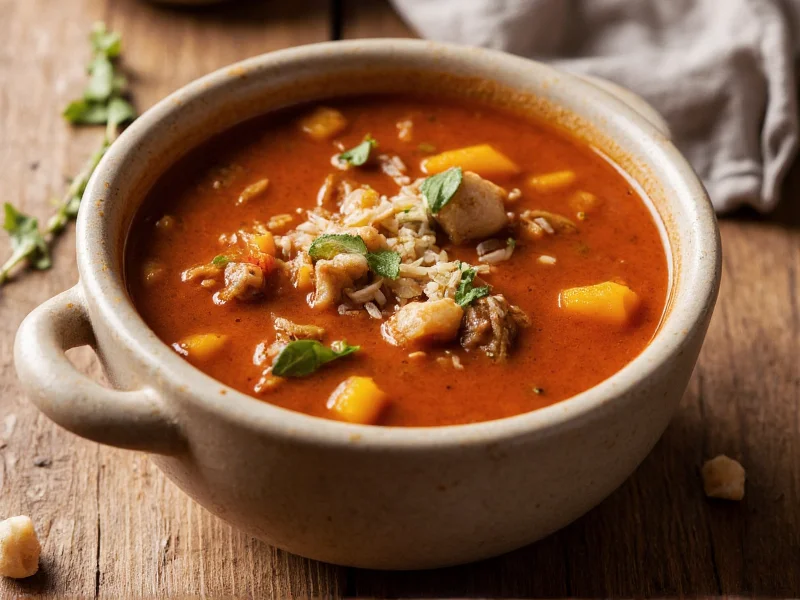
The Cultural Significance of Cow Foot Soup
Cow foot soup represents culinary resourcefulness across numerous cultures, embodying the "nose-to-tail" eating philosophy that minimizes waste while maximizing nutrition. In Jamaica, traditional Jamaican cow foot soup often features dumplings and vegetables, serving as both comfort food and remedy for various ailments. Nigerian cuisine features "Obe Abula," a spicy cow foot soup typically prepared with palm oil and assorted meats. Chinese culinary tradition values cow foot soup for its purported collagen benefits, often incorporating medicinal herbs in the preparation.
The historical roots of cow foot soup extend deep into ancient culinary practices. In China, bone broth traditions were documented as early as the Han Dynasty (206 BCE – 220 CE) for their medicinal properties, with animal feet specifically valued for collagen extraction (Food in Chinese Culture, p.205). West African cultures, which influenced Nigerian 'Obe Abula', developed similar techniques centuries ago to utilize every part of the animal, ensuring nutritional security (The Cambridge World History of Food, p.1308). These traditions traveled across the Atlantic during the transatlantic slave trade, evolving into distinct Caribbean preparations like Jamaican cow foot soup.
Nutritional Profile and Health Considerations
The extended simmering process releases substantial amounts of collagen, gelatin, and essential amino acids into the broth. A single serving of properly prepared cow foot soup nutrition provides significant protein, calcium, magnesium, and phosphorus. The gelatin content supports joint health and digestive function, while the marrow contributes healthy fats and additional nutrients. Unlike many bone broths, cow foot soup contains higher concentrations of Type II collagen due to the abundance of cartilage in the feet.
| Cultural Variation | Key Ingredients | Distinctive Preparation Method |
|---|---|---|
| Jamaican | Cow feet, yams, carrots, dumplings | Pressure-cooked with Scotch bonnet peppers |
| Nigerian (Obe Abula) | Palm oil, assorted meats, utazi leaves | Slow-simmered with bitter leaves for flavor balance |
| Chinese | Ginger, goji berries, astragalus root | Double-boiled for maximum nutrient extraction |
| Romanian (Ciorbă de burtă) | Tripe, sour cream, egg yolks | Acidified with borș (fermented wheat bran) |
Contextual Considerations and Limitations
While cow foot soup offers significant nutritional benefits, it's essential to consider individual health contexts. The soup contains purines from meat sources, which can elevate uric acid levels and potentially trigger gout attacks in susceptible individuals. The National Institute of Arthritis and Musculoskeletal and Skin Diseases (NIAMS) advises those with gout to limit consumption of high-purine foods, including certain meat-based broths (NIH Gout Guidelines). Additionally, due to variable sodium content depending on preparation methods, individuals managing hypertension should monitor intake. The World Health Organization recommends daily sodium intake below 2,000 mg, which requires careful seasoning control in homemade preparations (WHO Sodium Reduction).
Traditional Preparation Techniques
Proper preparation of authentic cow foot soup from scratch requires careful attention to cleaning and pre-treatment. Most cultures begin by thoroughly scrubbing the feet, often using vinegar or lemon to remove impurities. Some traditions call for parboiling the feet first to eliminate foam and impurities before the main cooking process. The critical step involves simmering the cleaned feet for 4-8 hours, allowing the collagen to break down completely. Skimming fat regularly during cooking produces a clearer, more refined broth.
When exploring how to clean cow feet for soup, professional chefs recommend using a propane torch to singe any remaining hair, followed by vigorous scrubbing with a stiff brush. This traditional method ensures thorough cleaning without compromising the integrity of the connective tissues that provide the soup's characteristic texture.
Regional Variations and Modern Adaptations
Contemporary interpretations of cow foot soup recipes around the world demonstrate remarkable diversity while maintaining core preparation principles. In Caribbean communities, cooks often add callaloo or breadfruit to create a more substantial meal. Chinese variations might incorporate goji berries and dried longan for additional health benefits. Nigerian cooks frequently include utazi leaves for their distinctive bitter flavor that balances the richness of the broth.
Modern pressure cooking techniques have significantly reduced preparation time for quick cow foot soup preparation without sacrificing quality. However, traditionalists argue that the slow simmering process produces superior texture and flavor development that pressure cooking cannot replicate. For those seeking healthy cow foot soup alternatives, adding extra vegetables like daikon radish or bok choy increases nutritional value while maintaining authenticity.
Practical Tips for First-Time Preparation
For those attempting how to make cow foot soup at home, selecting quality ingredients proves crucial. Look for feet that appear clean with minimal discoloration. When sourcing from specialty markets, request that the butcher split the feet into smaller pieces for more efficient cooking. The addition of acidic elements like tomatoes or vinegar during cooking helps extract minerals from the bones more effectively.
Understanding cow foot soup cooking time requirements prevents undercooked results. The soup achieves its characteristic gelatinous texture when the connective tissues have fully broken down, typically requiring at least 4 hours of gentle simmering. Test for doneness by checking if the meat easily separates from the bones and the broth coats the back of a spoon.
Serving Traditions and Pairings
Traditional serving methods for authentic cow foot soup presentation vary by culture but generally emphasize the soup's restorative qualities. In many Caribbean households, the soup serves as a weekend family meal, often accompanied by fried plantains and rice. Chinese medicinal traditions recommend consuming the soup warm, sometimes with added vinegar for enhanced digestion. The rich, collagen-filled broth typically appears slightly gelatinous when cooled, indicating proper extraction of connective tissues.
Frequently Asked Questions
What are the primary health benefits of cow foot soup?
Cow foot soup provides substantial collagen, gelatin, and essential amino acids that support joint health, skin elasticity, and digestive function. The slow cooking process extracts calcium, magnesium, and phosphorus from the bones, creating a nutrient-dense broth with potential benefits for bone health and tissue repair.
How long should cow feet be cooked for optimal results?
For traditional preparation, cow feet require 4-8 hours of gentle simmering to fully break down the connective tissues and extract maximum nutrients. The soup achieves its characteristic gelatinous texture when the meat easily separates from the bones and the broth coats the back of a spoon. Pressure cooking can reduce this time to 1.5-2 hours while maintaining quality.
What's the proper way to clean cow feet before cooking?
Professional preparation involves scrubbing the feet thoroughly with a stiff brush, often using vinegar or lemon to remove impurities. Many traditional methods recommend singeing any remaining hair with a propane torch before vigorous scrubbing. Some cultures call for parboiling the feet first to eliminate foam and impurities before the main cooking process begins.
Why does cow foot soup become gelatinous when cooled?
The gelatinous texture results from the high collagen content in cow feet, which converts to gelatin during the slow cooking process. As the soup cools, the gelatin solidifies, creating the characteristic jelly-like consistency. This texture indicates proper extraction of connective tissues and is considered a sign of well-prepared traditional cow foot soup.
Which cultures have traditional cow foot soup preparations?
Cow foot soup appears in numerous culinary traditions worldwide, including Jamaican (often with dumplings), Nigerian (Obe Abula with palm oil), Chinese (medicinal herb-infused versions), and Romanian (Ciorbă de burtă). Each culture has developed unique preparation methods and flavor profiles while maintaining the fundamental technique of slow-simmering the feet to extract nutrients and flavor.
Are there medical conditions where cow foot soup should be avoided?
Individuals with gout or kidney disorders should consult healthcare providers before regular consumption, as the purine content in meat-based broths can elevate uric acid levels. The National Institute of Arthritis and Musculoskeletal and Skin Diseases recommends limiting high-purine foods for gout management. Those managing hypertension should also monitor sodium intake due to potential high salt content in prepared versions.
How has cow foot soup preparation evolved historically?
Historical records from China's Han Dynasty (206 BCE-220 CE) document medicinal bone broth traditions using animal feet. West African culinary practices developed similar slow-cooking techniques for nutritional security, which later evolved into Nigerian 'Obe Abula'. These traditions crossed the Atlantic during the transatlantic slave trade, adapting into Caribbean preparations like Jamaican cow foot soup with local ingredients such as Scotch bonnet peppers.




 浙公网安备
33010002000092号
浙公网安备
33010002000092号 浙B2-20120091-4