
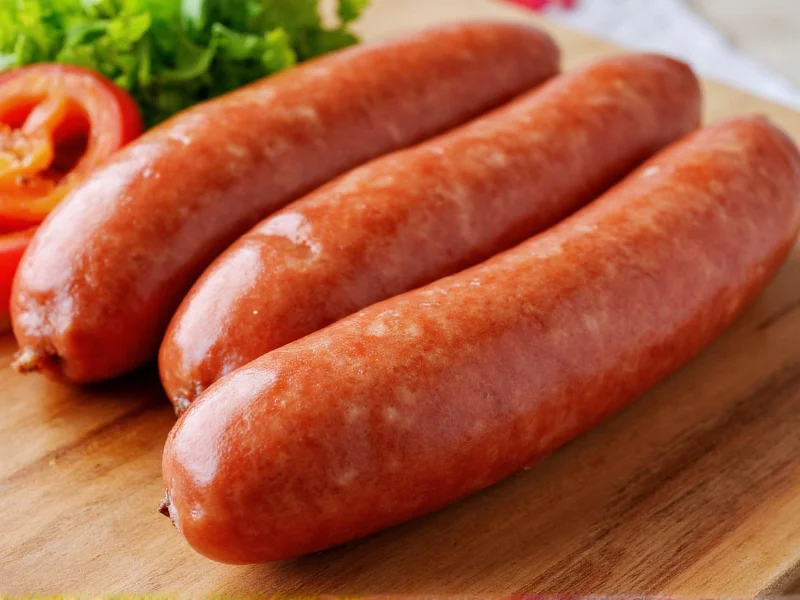
When exploring Korean cuisine, many travelers and food enthusiasts encounter a unique interpretation of sausage that blends Western techniques with Korean flavors. While Korea has its own traditional blood sausage called sundae, the term \"Korean sausage\" today typically refers to Western-style sausages modified with local ingredients and seasonings that create a distinctly Korean culinary experience.
Understanding Korean Sausage Varieties
Korean sausage culture features several distinct types that cater to local palates. The most common varieties include:
| Type | Key Characteristics | Common Uses |
|---|---|---|
| Standard Korean Soseji | Milder than Western counterparts, subtle sweetness, less smoky | Convenience store snacks, school lunches, home cooking |
| Spicy Gochujang Sausage | Red pepper paste infusion, noticeable heat, vibrant color | Street food, fusion dishes, Korean barbecue accompaniments |
| Sundae (Blood Sausage) | Pork blood, cellophane noodles, glutinous rice, liver | Traditional markets, specialty restaurants, street food stalls |
| Korean Hot Dog Sausage | Thick hot dog-style sausage, often wrapped in potato or rice crust | Street food, trendy snack bars, food trucks |
Historical Context of Sausage in Korean Cuisine
Sausage wasn't traditionally part of Korean food culture before the 20th century. The introduction of Western-style sausages came primarily after the Korean War through American military presence and increasing globalization. Korean manufacturers quickly adapted these foreign products to local tastes, creating the distinctive soseji we recognize today.
Unlike European sausages that often emphasize smoking and fermentation, Korean sausage development focused on immediate consumption with flavors that complement Korean side dishes (banchan) and rice. This adaptation process created what food historians call \"culinary localization\"—where foreign foods are transformed to fit local palates while maintaining recognizable elements of the original.
Key Ingredients That Define Korean Sausage
What truly distinguishes Korean sausage from its Western counterparts are the specific ingredients and flavor profiles:
- Gochujang - Korean red pepper paste adds both heat and complex fermented flavor
- Doenjang - Fermented soybean paste contributing umami depth
- Sesame oil - Provides distinctive nutty aroma and flavor
- Garlic - Used more liberally than in Western sausage formulations
- Sweeteners - Often include Korean pear or rice syrup for subtle sweetness
- Less preservatives - Many Korean sausages are designed for immediate consumption
These ingredients create a flavor profile that balances spicy, sweet, and savory elements—characteristic of much Korean cuisine. The texture also tends to be slightly softer than European sausages, with a higher moisture content that makes them particularly suitable for quick cooking methods.
Korean Sausage in Street Food Culture
Perhaps the most visible manifestation of Korean sausage today is in street food culture. Korean street sausage has evolved into several distinctive forms that attract both locals and tourists:
- Twisted Sausage on a Stick - Sausage twisted around a stick, often with cheese or ramen filling
- Potato Crust Sausage - Sausage coated in mashed potato and breadcrumbs, deep-fried
- Rice Crust Sausage - Similar to potato crust but using glutinous rice for texture
- Sundae Hot Dog - Traditional blood sausage incorporated into hot dog format
These creative presentations represent what food anthropologists call \"Korean food innovation\"—taking familiar concepts and reimagining them with local ingredients and presentation styles. The popularity of these street food sausages has even influenced convenience store offerings and home cooking trends throughout South Korea.
How Korean Sausage Differs from Western Varieties
Understanding the distinctions between Korean sausage and Western varieties helps appreciate its unique position in global cuisine:
- Flavor profile - Korean versions emphasize sweet-spicy balance rather than smokiness
- Seasoning approach - Korean marinades penetrate throughout rather than just surface seasoning
- Texture - Generally softer with higher moisture content than European dry-cured sausages
- Serving temperature - Typically served hot immediately after cooking, not as cold cuts
- Cultural context - Consumed as part of a meal with rice and banchan, not as standalone item
These differences reflect broader culinary principles in Korean cooking, where harmony between multiple elements creates the complete dining experience rather than focusing on a single star ingredient.
Finding Authentic Korean Sausage
For those interested in experiencing genuine Korean sausage, several options exist depending on your location:
- In Korea - Visit traditional markets like Gwangjang Market in Seoul for sundae, or convenience stores for standard soseji
- International options - Korean grocery stores often carry imported brands like Ha-Cha or Ildong
- DIY approach - Making korean style sausage recipes at home using authentic ingredients
- Fusion restaurants - Many Korean-American eateries feature creative sausage interpretations
When evaluating authenticity, look for products that list Korean-specific ingredients like gochujang or doenjang in their formulation rather than just generic \"spicy\" seasonings. Traditional Korean sausage preparation methods also differ from Western techniques, often involving shorter curing times and different casing materials.




 浙公网安备
33010002000092号
浙公网安备
33010002000092号 浙B2-20120091-4