
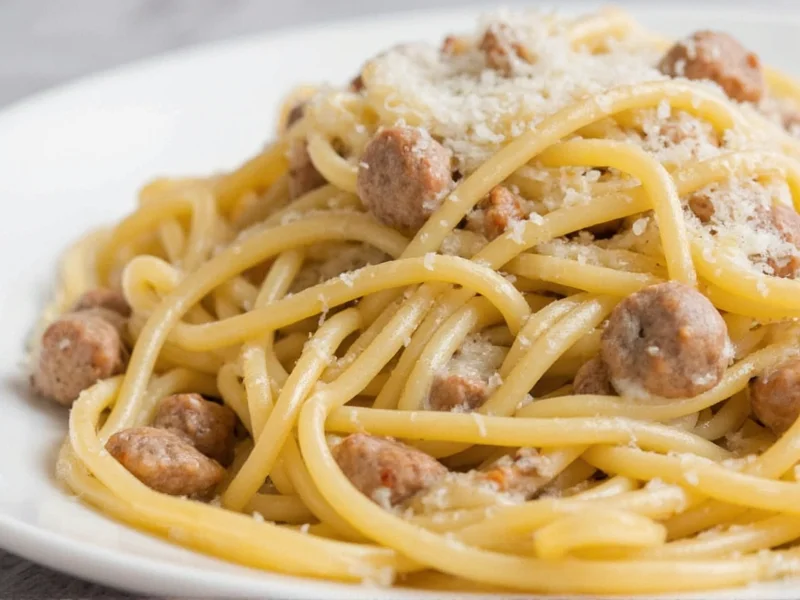
Essential Ingredients for Perfect Sausage Cream Pasta
Creating an exceptional sausage cream pasta starts with quality ingredients. The foundation of this dish consists of Italian sausage, which provides both protein and rich flavor. Choose between sweet or spicy varieties depending on your preference—both work beautifully in cream-based sauces.
For the cream component, heavy cream creates the luxurious texture that defines this dish. While some recipes substitute half-and-half, heavy cream delivers superior richness and better sauce stability. The fat content prevents curdling when combined with acidic ingredients like tomatoes.
| Essential Ingredient | Quantity | Substitution Options |
|---|---|---|
| Italian sausage | 1 pound | Ground pork with Italian seasoning |
| Heavy cream | 1 ½ cups | Half-and-half (less rich) |
| Penne pasta | 12 ounces | Rigatoni, fettuccine, or farfalle |
| Fresh garlic | 3 cloves | 1 teaspoon garlic powder |
| Grated parmesan | ½ cup | Pecorino Romano |
Nutritional Comparison of Cream Options (Per ¼ Cup Serving)
| Cream Type | Calories | Total Fat (g) | Saturated Fat (g) | Carbohydrates (g) |
|---|---|---|---|---|
| Heavy Cream | 553 | 59 | 36 | 3 |
| Half-and-Half | 315 | 32 | 20 | 3 |
| Full-Fat Coconut Milk | 120 | 12 | 11 | 5 |
Nutritional data reflects standard USDA measurements. Heavy cream provides maximum richness but significantly higher fat content, while coconut milk offers a plant-based alternative with lower calories but distinct flavor characteristics. Source: USDA FoodData Central: Heavy Cream, Half-and-Half, Coconut Milk
The Evolution of Cream-Based Pasta Sauces
While traditional Italian cuisine rarely incorporates cream (with exceptions in Northern regions), American-Italian adaptations have transformed dairy-rich pasta dishes. This evolution reflects broader culinary shifts:
- 1914: Alfredo di Lelio creates fettuccine Alfredo in Rome using only butter and Parmesan—no cream. The creamy version popularized globally emerged later through American interpretation.
- 1940s-1950s: Post-WWII American prosperity increases dairy consumption. Italian-American restaurants begin adding cream to sauces for perceived richness and indulgence.
- 1970s: The "Slow Food" movement in Italy emphasizes regional authenticity, yet cream-based dishes remain staples in American-Italian cuisine.
- 2000s-Present: Health-conscious adaptations emerge with plant-based alternatives, while traditional heavy cream preparations maintain popularity for special occasions.
This historical context explains why sausage cream pasta—a distinctly American-Italian creation—differs from regional Italian dishes. Source: Smithsonian Magazine: The True History of Italian-American Food
Step-by-Step Preparation Guide
Follow these professional techniques to create restaurant-quality sausage cream pasta in your home kitchen. The key to success lies in proper timing and ingredient integration.
Cooking the Pasta Perfectly
Begin by bringing 4 quarts of well-salted water to a rolling boil. Add 12 ounces of penne pasta and cook until al dente—typically 2 minutes less than package instructions. Reserve 1 cup of pasta water before draining. This starchy water becomes invaluable for adjusting sauce consistency later.
Preparing the Sausage Cream Sauce
While pasta cooks, remove sausage from casings and crumble into a large skillet over medium heat. Cook until browned and fully cooked through, about 8-10 minutes. Remove sausage with a slotted spoon, leaving rendered fat in the pan.
Add 2 tablespoons of butter and 3 minced garlic cloves to the sausage fat. Sauté until fragrant (about 1 minute), then pour in 1 ½ cups of heavy cream. Bring to a gentle simmer—never a rolling boil—to prevent curdling. Stir in ½ cup grated parmesan until fully incorporated.
Combining Elements for Maximum Flavor
Return cooked sausage to the cream sauce. Add drained pasta directly to the skillet, tossing to coat thoroughly. If the sauce seems too thick, gradually add reserved pasta water ¼ cup at a time until desired consistency achieves. The starch in the water helps the sauce cling to pasta.
Finish with freshly chopped parsley, a squeeze of lemon juice to cut richness, and additional salt and pepper to taste. The lemon brightens the dish without making it taste citrusy.
Pro Tips for Elevated Sausage Cream Pasta
Professional chefs employ several techniques to transform this simple dish into something extraordinary. First, consider adding ¼ cup of dry white wine to the pan after browning sausage. Let it reduce by half before adding cream—this builds complex flavor layers.
For texture contrast, incorporate sautéed mushrooms or roasted red peppers during the final minute of cooking. Sun-dried tomatoes add a sweet-tart dimension that balances the richness. If using tomatoes, add them with the cream to allow flavors to meld.
The temperature at which you combine elements matters significantly. Never add cold pasta to hot sauce—this causes the sauce to seize. Instead, ensure both components are warm when combining for optimal emulsification.
Popular Variations of Creamy Sausage Pasta
This versatile dish adapts beautifully to different preferences and dietary needs. For a lighter version, substitute half the heavy cream with whole milk and add 2 tablespoons of cream cheese for thickness. The cream cheese provides richness without excessive calories.
Vegetarian? Replace sausage with plant-based alternatives and add 1 cup of sautéed spinach or kale during the final minute of cooking. For extra protein, stir in ½ cup of toasted pine nuts before serving.
Spice enthusiasts can enhance mild sausage with red pepper flakes or a dash of hot sauce. Add these during the garlic sauté step to bloom the spices in fat, maximizing flavor release.
Dietary Context Considerations: Approximately 65% of the global adult population experiences reduced lactose digestion after infancy according to the National Institutes of Health. For lactose-intolerant individuals, traditional heavy cream may cause discomfort. Lactose-free heavy cream provides identical functionality, while full-fat coconut milk offers a plant-based alternative—though it imparts subtle sweetness that pairs best with spicy sausage. Note that coconut milk lacks casein proteins, preventing the sauce from achieving traditional emulsion stability. Source: NIH: Lactose Intolerance
Serving and Storage Recommendations
Serve sausage cream pasta immediately for best texture. The sauce continues to thicken as it cools, so timing is crucial. Pair with a simple arugula salad dressed with lemon vinaigrette to cut through the richness.
Store leftovers in an airtight container in the refrigerator for up to 3 days. When reheating, add a splash of milk or cream to restore the sauce's original consistency. Avoid microwaving on high power—gentle reheating preserves texture.
Freezing is possible but not ideal, as dairy-based sauces can separate. If freezing, omit the cream and parmesan initially. When reheating frozen portions, add fresh cream and cheese to refresh the sauce.
Frequently Asked Questions
What's the best pasta shape for sausage cream sauce?
Penne and rigatoni work best because their tubes and ridges trap the creamy sauce. The hollow centers capture sausage crumbles while the exterior grooves hold sauce. Avoid delicate shapes like angel hair that can't support the hearty components.
Can I make sausage cream pasta ahead of time?
Yes, but with modifications. Cook components separately: prepare sauce and sausage, and cook pasta al dente. When ready to serve, briefly reheat sauce, add drained pasta, and toss together. This prevents overcooking and maintains ideal texture in your make-ahead sausage cream pasta dinner.
Why does my cream sauce sometimes separate?
Cream sauces separate when exposed to high heat or sudden temperature changes. Always simmer gently—never boil. Adding cold ingredients to hot sauce can also cause separation. For stable homemade sausage cream sauce, maintain consistent temperatures and incorporate dairy gradually while stirring constantly.
How can I make my sausage cream pasta less rich?
Reduce richness by substituting half the heavy cream with whole milk and adding 2 tablespoons of cream cheese for thickness. Incorporate roasted vegetables like asparagus or zucchini to add volume without extra calories. A squeeze of lemon juice before serving brightens heavy flavors naturally.
What wine pairs well with sausage cream pasta?
Medium-bodied white wines complement sausage cream pasta best. Try Pinot Grigio for its crisp acidity that cuts through richness, or a lightly oaked Chardonnay for creamier texture matching. For red wine lovers, a Chianti's bright acidity balances the dish's richness without overwhelming the delicate cream sauce.




 浙公网安备
33010002000092号
浙公网安备
33010002000092号 浙B2-20120091-4