
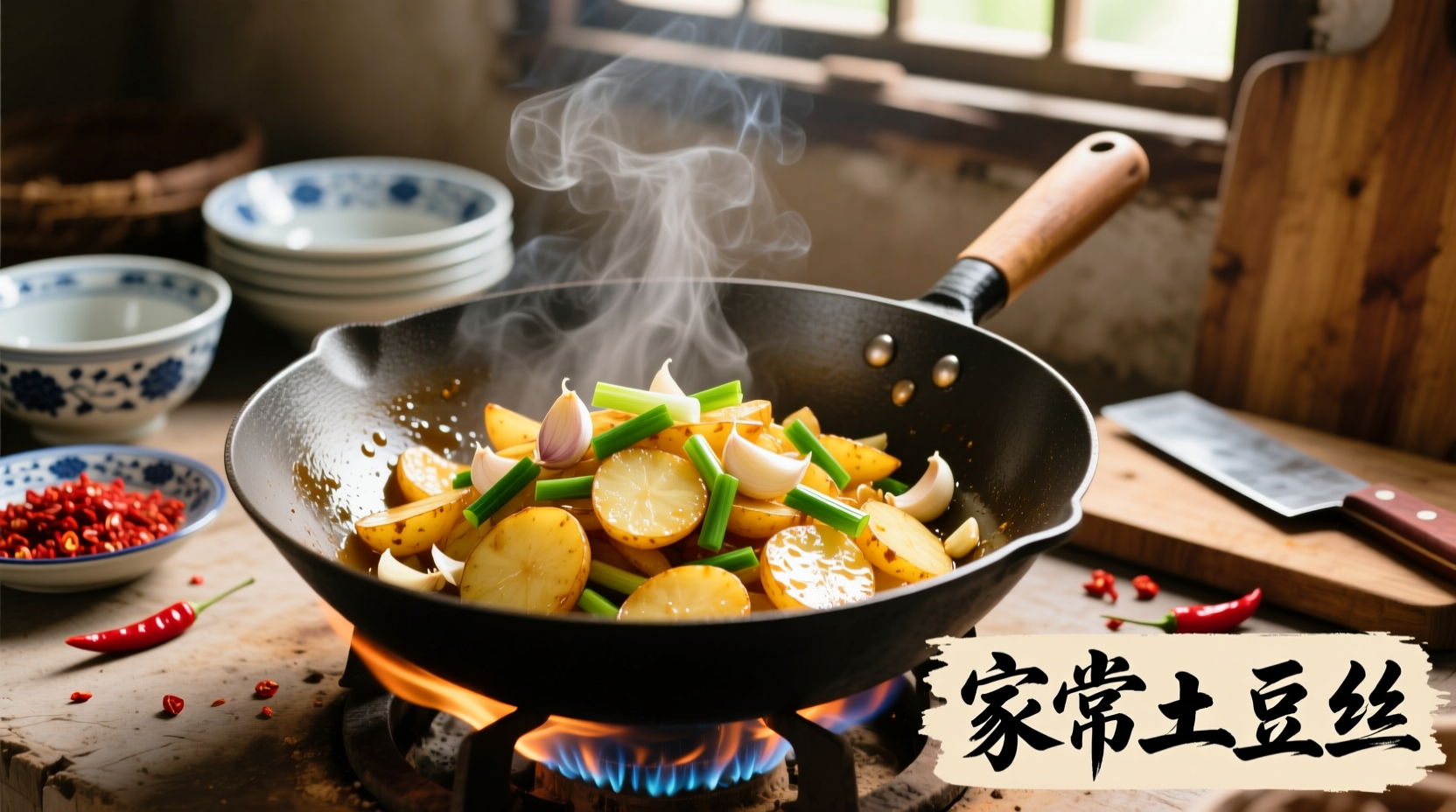
Discover the authentic Chinese potato stir fry recipe that delivers crispy-on-the-outside, tender-on-the-inside potatoes with the perfect balance of savory, spicy, and umami flavors that define classic Chinese home cooking. This traditional dish features thinly sliced potatoes stir-fried with garlic, ginger, and Chinese black vinegar for a restaurant-quality meal ready in under 30 minutes.
Chinese potato dishes might surprise you—they're not about mashed potatoes or fries, but rather a brilliant showcase of how Chinese cuisine transforms humble ingredients into extraordinary flavors. Potatoes entered Chinese culinary tradition relatively recently (after being introduced from the Americas in the 16th century), yet they've become integral to regional cooking styles across China. Unlike Western preparations that often emphasize creaminess, Chinese cooking highlights potatoes' natural starch to create that signature crispy-yet-tender texture through precise slicing and high-heat stir-frying.
Why This Chinese Potato Recipe Works
What makes this recipe stand out from typical potato dishes? Chinese culinary philosophy treats potatoes as a canvas for flavor rather than the main event. The magic happens through three key techniques: proper slicing (uniform 1/8-inch thickness), strategic rinsing (to remove excess starch), and the "three-stage" stir-fry method that creates contrasting textures. This approach transforms ordinary potatoes into a dish that balances crisp edges with creamy centers, absorbing flavors while maintaining structural integrity.
| Regional Variation | Key Ingredients | Distinctive Technique | Best Served With |
|---|---|---|---|
| Sichuan Style | Doubanjiang, Sichuan peppercorns, dried chilies | Dry-frying potatoes before stir-frying | Rice and bitter melon stir-fry |
| Northern Style | Vinegar, cumin, bell peppers | Double-frying for extra crispness | Lamb dishes and steamed buns |
| Cantonese Style | Oyster sauce, garlic, sesame oil | Quick stir-fry with minimal sauce | Crispy pork and stir-fried greens |
Essential Ingredients for Authentic Flavor
The beauty of Chinese potato dishes lies in their simplicity—few ingredients doing extraordinary work. For the most authentic results, focus on these key components:
- Potatoes: Russet or Yukon Gold varieties work best (1.5 lbs). Their starch content creates the ideal texture contrast.
- Aromatics: Fresh ginger (1-inch piece, julienned) and garlic (4 cloves, minced) form the flavor foundation.
- Seasonings: Light soy sauce (2 tbsp), Chinese black vinegar (1 tbsp), and Shaoxing wine (1 tbsp) create the signature umami profile.
- Heat Element: Dried red chilies (3-5, depending on preference) or 1 tsp chili flakes for adjustable spice.
- Finishing Touch: Toasted sesame oil (1 tsp) and scallions (2, sliced) add aromatic complexity.
Pro Tip: The vinegar-to-soy ratio is crucial—too much vinegar makes the dish sour, while too little loses the characteristic tang. Authentic Chinese potato dishes maintain a 1:2 vinegar-to-soy balance for perfect flavor harmony.
Step-by-Step Cooking Process
Preparation Phase (10 minutes)
- Peel and slice potatoes into uniform 1/8-inch thick pieces using a mandoline for consistency
- Rinse slices under cold water until water runs clear, then soak for 15 minutes to remove excess starch
- Pat potatoes completely dry with clean kitchen towels—moisture is the enemy of crispiness
- Prepare all ingredients before heating wok (mise en place is essential for successful stir-frying)
Cooking Phase (8 minutes)
- Heat 3 tbsp vegetable oil in wok over high heat until shimmering (400°F/200°C)
- Add potatoes in single layer and stir-fry 3-4 minutes until golden edges form
- Add aromatics and continue stir-frying 2 minutes until potatoes develop "wok hei" (breath of the wok)
- Pour in seasoning mixture and toss vigorously for final 60 seconds to coat evenly

Avoiding Common Mistakes
Even experienced home cooks make these critical errors when attempting Chinese potato dishes:
- Insufficient drying: Water on potatoes causes steaming instead of frying—always dry thoroughly
- Overcrowding the wok: Causes temperature drop—cook in batches if necessary
- Adding cold ingredients: Room temperature components maintain wok heat
- Stirring too frequently: Allow 30-second intervals between tosses for proper browning
Timing is everything in Chinese stir-frying—potatoes should spend no more than 8 minutes total in the wok. The ideal texture features golden-brown edges with a slightly creamy center, not fully crisp like French fries nor soft like boiled potatoes.
Serving and Storage Tips
Serve immediately for best texture—Chinese potato dishes lose their magic when sitting. Pair with steamed jasmine rice and a simple cucumber salad for a complete meal. Leftovers (if any!) can be stored in an airtight container for up to 2 days, but reheating requires special attention:
- Oven method: 350°F for 8-10 minutes on wire rack for maximum crispness
- Air fryer: 320°F for 5 minutes (best option for texture recovery)
- Microwave: Not recommended—creates sogginess
For meal prep success, cook potatoes 80% done, cool completely, then finish stir-frying when ready to serve. This two-stage approach preserves texture better than full cooking followed by reheating.
Regional Variations Worth Trying
While the basic technique remains consistent, regional Chinese cuisines offer distinctive potato preparations worth exploring:
- Sichuan Dry-Fried Potatoes: Features mala (numbing-spicy) profile with Sichuan peppercorns and doubanjiang—perfect for spice lovers
- Northern Cumin Potatoes: Incorporates toasted cumin seeds and bell peppers for earthy warmth
- Cantonese Vinegar Potatoes: Lighter preparation emphasizing the vinegar-soy balance with minimal spice
- Shanghai-Style Potato Shreds: Finely julienned potatoes stir-fried with pork and garlic
According to culinary historians at the China Culinary Association, potato dishes evolved differently across regions based on local agricultural practices and historical trade routes. Northern provinces developed heartier preparations with cumin and lamb to withstand colder climates, while southern variations emphasize vinegar and lighter seasonings suited to warmer weather (China Culinary Association).
Adapting for Dietary Needs
This versatile recipe accommodates various dietary requirements without sacrificing authenticity:
- Vegan option: Substitute oyster sauce with mushroom sauce (1:1 ratio)
- Low-sodium version: Use reduced-sodium soy sauce and increase black vinegar by 50%
- Gluten-free adaptation: Replace soy sauce with tamari (not all tamari is GF—check labels)
- Spice adjustment: Remove chili seeds for milder heat while retaining flavor
Remember that authentic Chinese cooking prioritizes balance over elimination—rather than removing ingredients, skilled chefs adjust proportions to maintain the dish's essential character while accommodating dietary needs.
Mastering Chinese Stir-Fry Technique
The secret to perfect Chinese potato dishes isn't just the recipe—it's the technique. Professional wok chefs follow these principles:
- Heat management: Wok must be properly preheated before adding oil (oil should ripple immediately)
- Ingredient sequence: Aromatics before main ingredients to build flavor foundation
- Wok tossing: Use wrist motion to flip ingredients rather than stirring
- Timing precision: Each ingredient has optimal addition moment for perfect cooking
For home cooks without a professional wok setup, a cast-iron skillet heated to maximum capacity provides the closest approximation. The key is maintaining high, consistent heat throughout cooking—don't reduce heat once stir-frying begins.




 浙公网安备
33010002000092号
浙公网安备
33010002000092号 浙B2-20120091-4