
Understanding the potato family (Solanaceae) reveals crucial connections between common garden vegetables and their botanical relatives. This knowledge helps gardeners make informed planting decisions, explains certain food sensitivities, and highlights why proper potato storage matters for safety.
What Exactly Is the Potato Family?
The Solanaceae family, often called the nightshade family, represents one of the most economically important plant families worldwide. Scientific classification places potatoes (Solanum tuberosum) within this diverse group that spans 98 genera and approximately 2,700 species. These plants share distinctive botanical features including:
- Flowers typically with five fused petals forming a star or bell shape
- Alternate leaf arrangement on stems
- Production of alkaloid compounds (some beneficial, others toxic)
- Fruit structures that are usually berries or capsules
Originating in South America, potatoes were domesticated between 7,000-10,000 years ago in the Andean region. According to research from the Royal Botanic Gardens, Kew, ancient potato varieties still grow wild in Peru and Bolivia, demonstrating remarkable genetic diversity that modern breeders continue to study.
Common Members of the Potato Family
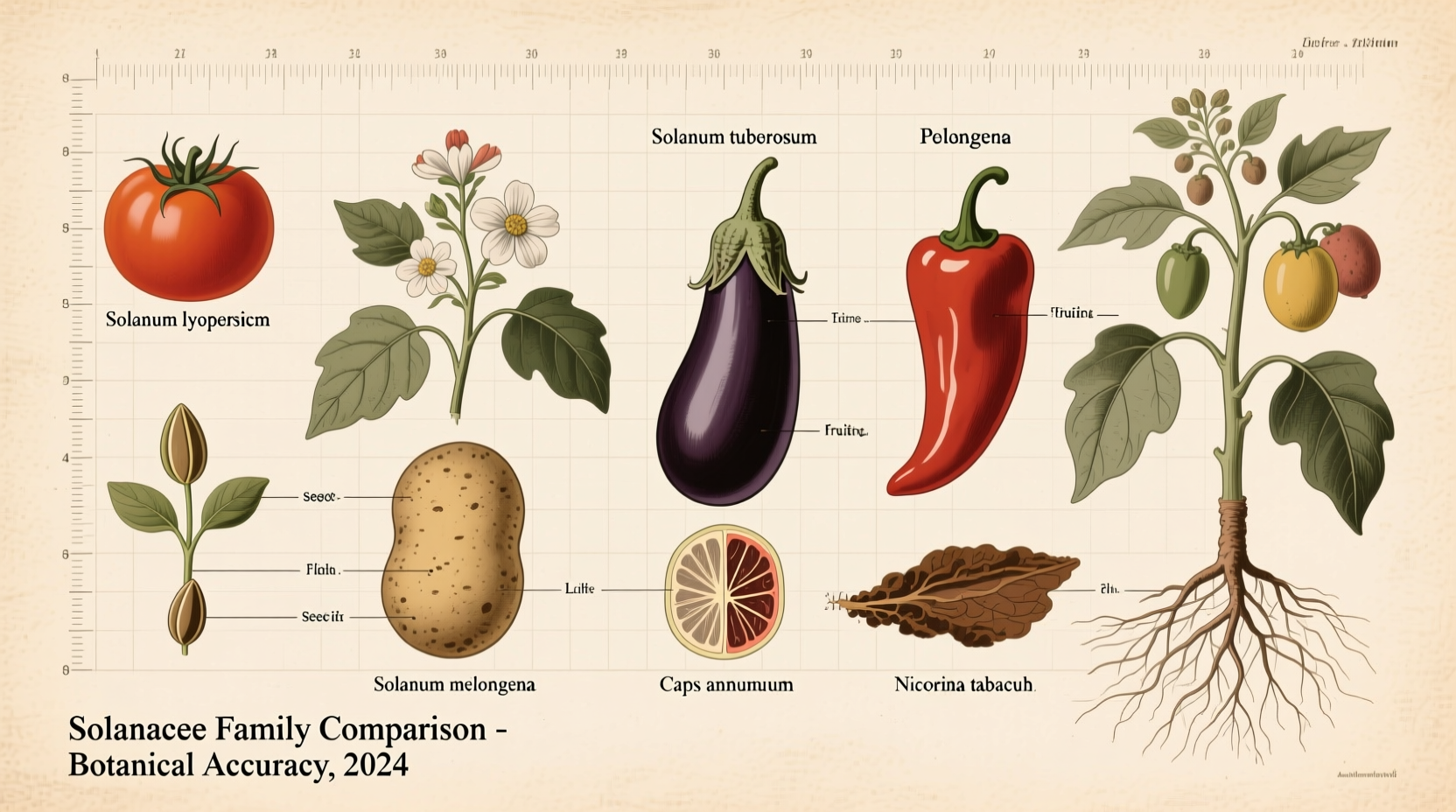
While potatoes serve as staple food crops globally, they share botanical heritage with numerous other plants—some edible, others dangerously toxic. Understanding these relationships proves essential for both gardeners and consumers.
| Edible Solanaceae Plants | Key Characteristics | Common Uses |
|---|---|---|
| Potatoes (Solanum tuberosum) | Underground tubers, glycoalkaloids in skin | Staple food crop worldwide |
| Tomatoes (Solanum lycopersicum) | Red berries, contain tomatine | Fresh consumption, sauces, processing |
| Eggplants (Solanum melongena) | Purple-skinned berries, saponins | Culinary vegetable in global cuisines |
| Peppers (Capsicum spp.) | Varying capsaicin levels, berry fruits | Spices, fresh vegetables, medicinal uses |
Why Potato Family Knowledge Matters Practically
Gardeners who understand Solanaceae relationships make better planting decisions. These plants share common pests and diseases, making crop rotation essential. The USDA Agricultural Research Service recommends waiting 3-4 years before replanting any nightshade family member in the same location to prevent soil-borne disease buildup.
From a culinary perspective, recognizing these botanical connections explains certain flavor affinities. Chefs often combine tomatoes, eggplants, and peppers because their shared chemical compounds create harmonious flavor profiles. However, some individuals experience nightshade sensitivity, reporting joint pain or digestive issues when consuming multiple Solanaceae plants.
Safety Considerations with Nightshade Plants
While potatoes provide essential nutrition, their botanical relatives include some of the most toxic plants known. The critical distinction lies in which plant parts contain harmful compounds:
- Potato tubers are safe when properly stored, but green skins indicate solanine buildup
- Tomato leaves contain tomatine (toxic) while ripe fruits are safe
- Deadly nightshade (Atropa belladonna) berries appear tempting but are extremely poisonous
The Centers for Disease Control and Prevention reports that improper handling of potato sprouts or consumption of green-skinned potatoes causes numerous food poisoning cases annually. Always remove sprouts completely and discard potatoes with significant greening.
Practical Gardening Tips for Solanaceae Plants
Successful cultivation of potato family plants requires understanding their shared needs and vulnerabilities:
- Rotate crops religiously—never plant tomatoes where potatoes grew last season
- Monitor for Colorado potato beetles which attack multiple nightshade species
- Provide consistent moisture to prevent blossom end rot in tomatoes and peppers
- Harvest potatoes when vines die back naturally for proper skin set
- Store harvested potatoes in cool, dark places to prevent solanine development
When growing multiple Solanaceae plants, separate tomatoes from potatoes in your garden layout. Though related, they have different nutrient requirements—tomatoes need more calcium while potatoes require higher potassium levels.
Understanding Nightshade Sensitivity
Some individuals report adverse reactions to nightshade plants, though scientific evidence remains limited. The Arthritis Foundation acknowledges that while not scientifically proven for most people, certain individuals may experience symptom exacerbation. If you suspect nightshade sensitivity:
- Keep a detailed food journal tracking symptoms
- Try eliminating all nightshades for 6-8 weeks
- Reintroduce one plant at a time to identify triggers
- Consult with a registered dietitian for balanced alternatives




 浙公网安备
33010002000092号
浙公网安备
33010002000092号 浙B2-20120091-4