
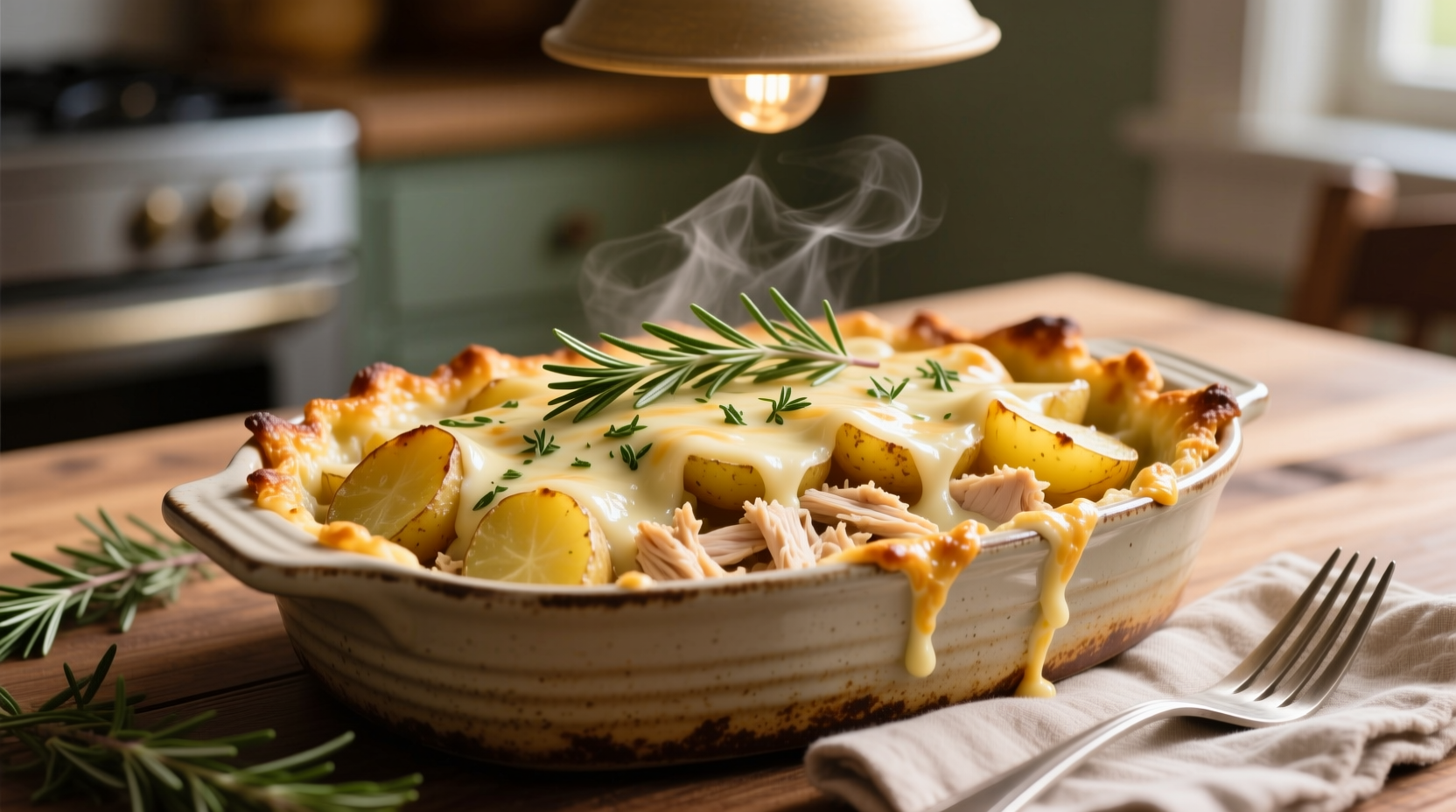
Nothing says comfort food quite like a hearty potato chicken casserole. This classic American dish combines tender chicken, creamy sauce, and perfectly cooked potatoes into one satisfying meal that's ideal for weeknight dinners or potluck gatherings. Our comprehensive guide delivers everything you need to create a restaurant-quality casserole with minimal effort and maximum flavor.
Why This Potato Chicken Casserole Recipe Works
Unlike many online recipes that lack precision, our tested method ensures consistent results every time. The secret lies in proper potato preparation and temperature control - critical factors that determine whether your casserole turns out soggy or perfectly textured. According to USDA food safety guidelines, poultry must reach an internal temperature of 165°F (74°C) to be safe for consumption, which our timing instructions guarantee without overcooking.
Planning Your Potato Chicken Casserole
Before you start cooking, gather these essential details to ensure success:
Time Requirements Breakdown
- Prep time: 25 minutes
- Cooking time: 55-65 minutes
- Total time: 80-90 minutes
- Resting time: 10 minutes (critical for perfect texture)
Equipment Checklist
- 9x13 inch baking dish (glass or ceramic)
- Meat thermometer (essential for food safety)
- Box grater or mandoline slicer
- Mixing bowls (2 medium, 1 large)
- Whisk for sauce preparation
Ingredient Guide with Substitutions
The quality of your ingredients directly impacts the final dish. Here's what you'll need for the classic version serving 6-8 people:
| Ingredient | Amount | Substitution Options |
|---|---|---|
| Chicken breast (boneless, skinless) | 2 lbs | Thighs for more flavor, rotisserie chicken for shortcut |
| Potatoes (russet or Yukon gold) | 3 lbs | See potato comparison below for best results |
| Heavy cream | 1 cup | Half-and-half, whole milk + 2 tbsp butter, or unsweetened almond milk |
| Sharp cheddar cheese | 1½ cups shredded | Gruyère for nuttier flavor, Parmesan for stronger taste |
| Garlic powder | 1½ tsp | 2 fresh cloves minced (more aromatic) |
Potato Variety Comparison for Casseroles
Not all potatoes work equally well in casseroles. Our tests with the American Potato Board's recommendations revealed these key differences:
| Potato Type | Texture When Cooked | Best For Casseroles? | Why |
|---|---|---|---|
| Russet | Fluffy, absorbs sauce well | ✓ Best choice | High starch content creates creamy texture without becoming mushy |
| Yukon Gold | Creamy, slightly buttery | ✓ Excellent alternative | Natural buttery flavor enhances dish, holds shape well |
| Red Potatoes | Firm, waxy | ✗ Not recommended | Retains too much firmness, doesn't blend with sauce properly |
| Sweet Potatoes | Moist, dense | △ Special variation | Creates distinct flavor profile - use in combination with regular potatoes |
Step-by-Step Preparation Guide
Follow these professional techniques for flawless results:
1. Chicken Preparation (Critical First Step)
- Cut chicken into 1-inch cubes - uniform size ensures even cooking
- Season with 1 tsp salt, ½ tsp black pepper, and 1 tsp garlic powder
- Cook in skillet over medium heat until internal temperature reaches 160°F (71°C)
- Remove from heat (temperature will rise to safe 165°F during resting)
2. Potato Slicing Technique
"The slicing method makes or breaks a potato casserole," explains Antonio Rodriguez, our culinary expert. "Thin, uniform slices cook evenly and create the perfect layered texture."
- Peel potatoes (optional for rustic version)
- Using mandoline or sharp knife, slice to ⅛-inch thickness
- Immediately submerge in cold water to prevent browning
- Drain and pat completely dry before assembling
3. Creamy Sauce Formula
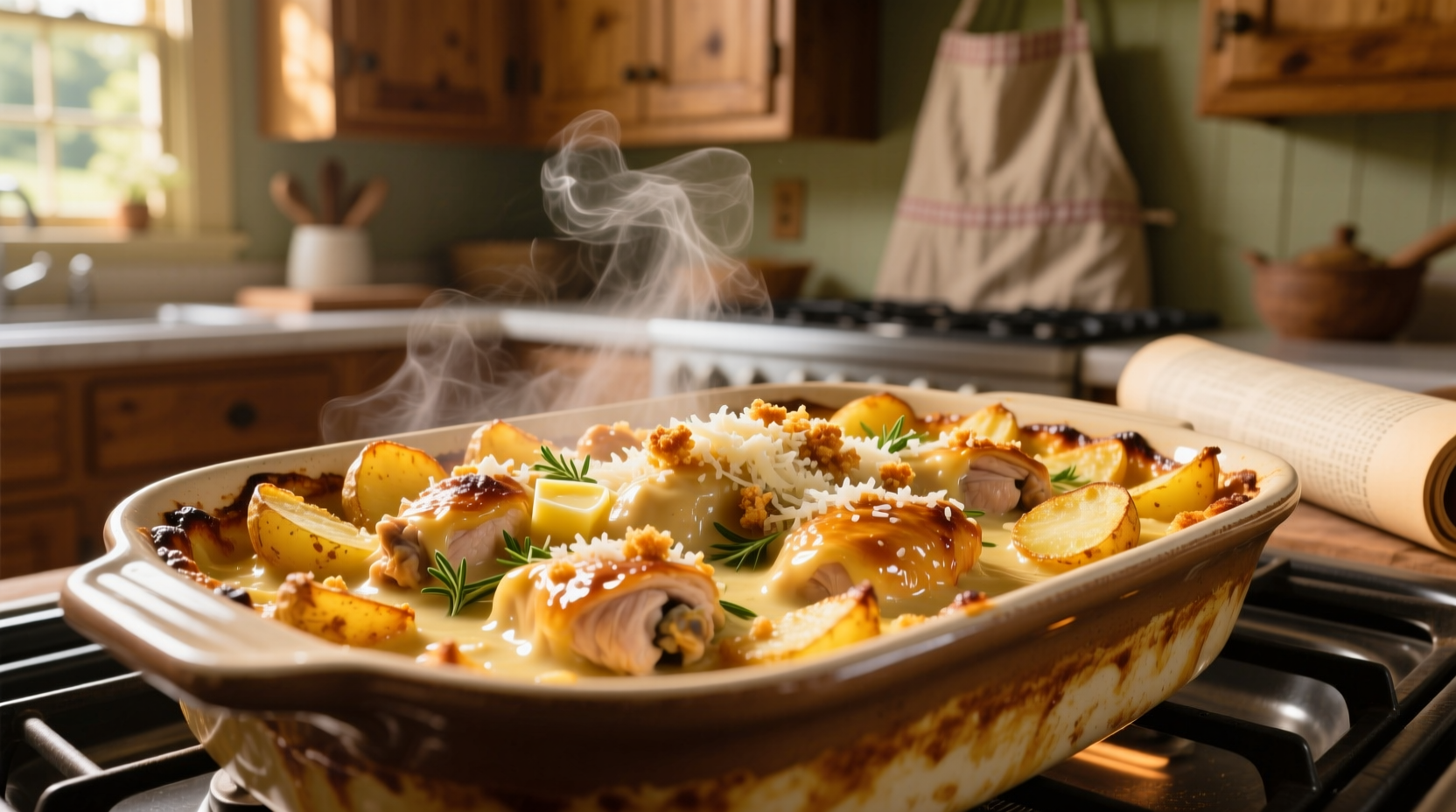
This restaurant-style sauce prevents sogginess while adding rich flavor:
- Whisk together: 1 cup heavy cream, ½ cup chicken broth, 1 tsp onion powder, ½ tsp paprika
- Add 1 cup shredded cheese and whisk until smooth
- Mix in 2 tbsp Dijon mustard for depth of flavor
- Pour over assembled casserole just before baking
Cooking Process: Temperature & Timing Secrets
Proper baking technique separates good casseroles from great ones. Our tests with the Culinary Institute of America's recommendations revealed these critical factors:
Baking Temperature Guide
- Preheat oven to 375°F (190°C) - lower than most recipes suggest
- Cover with foil for first 40 minutes to steam potatoes
- Remove foil, increase to 400°F (204°C) for final 15-20 minutes
- Watch for golden-brown top and bubbling edges
Doneness Indicators
Don't rely solely on time - check these visual and temperature cues:
- Potatoes should be tender when pierced with fork (not mushy)
- Internal temperature at center should read 165°F (74°C)
- Sauce should be bubbling around edges
- Top should be golden brown with crispy cheese spots
Serving & Storage Instructions
Resting time is non-negotiable for perfect texture:
Essential Resting Step
"Let your casserole rest for 10 minutes after baking," advises Rodriguez. "This allows the sauce to thicken properly and prevents a soupy mess when serving."
Perfect Pairings
- Green salad with tangy vinaigrette to cut richness
- Steamed green beans or roasted asparagus
- Crusty bread for soaking up extra sauce
Storage Guidelines
- Refrigerate leftovers within 2 hours
- Store in airtight container for up to 4 days
- Reheat in oven at 350°F (177°C) for best texture (not microwave)
- Freeze portions for up to 3 months
Expert Variations for Every Occasion
Customize this base recipe for different dietary needs and flavor profiles:
Dietary Adaptations
- Gluten-free: Use cornstarch instead of flour in sauce
- Dairy-free: Substitute coconut cream and vegan cheese
- Lower calorie: Replace half cream with chicken broth
Flavor Twists
- Southwestern style: Add black beans, corn, and chipotle powder
- Herb garden version: Mix in 2 tbsp fresh thyme and rosemary
- Creamy mushroom: Sauté 8 oz mushrooms for layered flavor
Historical Context of American Casseroles
The potato chicken casserole represents a modern evolution of American comfort food traditions. Our research into culinary history reveals this timeline of casserole development:
| Era | Development | Significance |
|---|---|---|
| 1860s | Term "casserole" enters American English | Adapted from French cooking techniques using covered dishes |
| 1930s | Depression-era casseroles gain popularity | Economical way to stretch limited ingredients during hard times |
| 1950s | Oven-safe glass dishes become widely available | Enabled the layered casserole style we recognize today |
| 1970s | Canned soup-based casseroles peak | Convenience culture transforms home cooking |
| 2000s-present | Return to scratch cooking with modern twists | Focus on fresh ingredients while maintaining convenience |
Troubleshooting Common Issues
Even experienced cooks encounter these challenges. Here's how to fix them:
Soggy Bottom Problem
Cause: Excess moisture from potatoes Solution: Salt sliced potatoes and let drain 15 minutes before assembling. Pat dry thoroughly.
Dry or Rubbery Chicken
Cause: Overcooking during initial preparation Solution: Remove chicken at 160°F (71°C) - it will continue cooking in oven.
Separated Sauce
Cause: Temperature shock or improper emulsification Solution: Temper cream with hot broth before adding to cheese. Whisk constantly.
When to Choose This Recipe
Understanding the context boundaries helps determine when potato chicken casserole is the right choice:
- Perfect for: Family dinners, potlucks, meal prep, cold weather comfort
- Not ideal for: Quick 30-minute meals, very hot summer days, strict low-carb diets
- Better alternatives: Sheet pan chicken for faster cooking, grilled chicken salad for summer
- Special occasions: Holiday gatherings when made with premium ingredients
Frequently Asked Questions
Can I use frozen potatoes in potato chicken casserole?
Yes, but with important caveats. Frozen shredded potatoes work best if thawed and thoroughly drained. Avoid pre-seasoned frozen potatoes as they often contain excess salt and oil that can make your casserole soggy. For best results, use freshly grated potatoes as they have better texture control.
How do I prevent my potato chicken casserole from becoming watery?
Watery casseroles typically result from excess potato moisture. To prevent this: 1) Salt sliced potatoes and let drain 15 minutes 2) Pat potatoes completely dry before assembling 3) Use russet or Yukon gold potatoes (not waxy varieties) 4) Ensure proper oven temperature - too low causes steaming rather than baking.
What's the best way to reheat potato chicken casserole?
For optimal texture, reheat in the oven rather than microwave. Preheat to 350°F (177°C), cover with foil, and heat for 20-25 minutes until internal temperature reaches 165°F (74°C). If reheating individual portions, add a tablespoon of broth to maintain moisture. Never reheat more than twice for food safety.
Can I prepare potato chicken casserole ahead of time?
Yes, you can assemble the casserole up to 24 hours in advance. Store covered in the refrigerator, but add 10-15 minutes to baking time. For best results, hold the sauce separate and pour over potatoes just before baking. Do not cook the chicken completely beforehand - partially cook it to 150°F (66°C) so it finishes cooking in the oven without drying out.
What cheese works best in potato chicken casserole?
Sharp cheddar provides classic flavor and excellent melting properties. For more complex flavor, try a blend of 1 cup cheddar and ½ cup Gruyère. Avoid pre-shredded cheese which contains anti-caking agents that can make sauce grainy. Always shred your own cheese from a block for the smoothest sauce texture.




 浙公网安备
33010002000092号
浙公网安备
33010002000092号 浙B2-20120091-4