
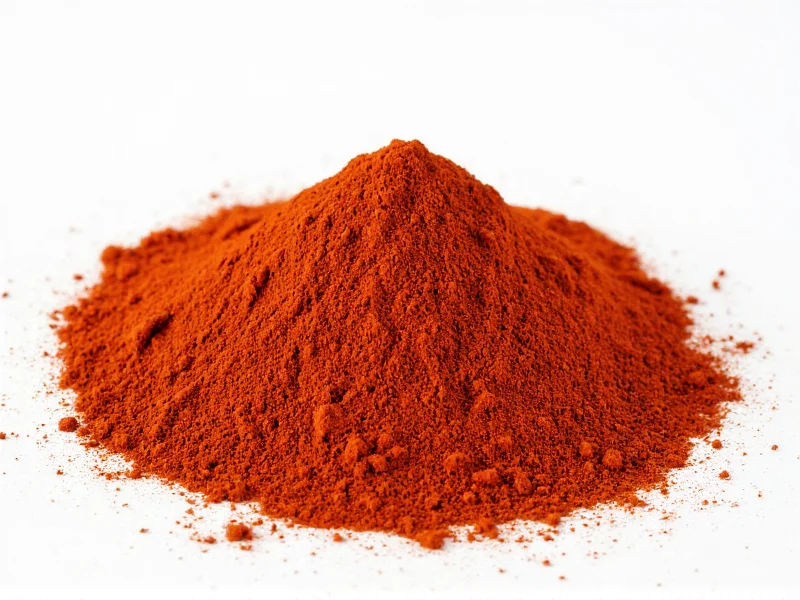
Understanding Bulk Chili Powder Purchases
When considering buying chili powder in bulk, it's essential to understand what distinguishes quality bulk spices from inferior options. Bulk chili powder typically refers to quantities of 1 pound or more, often available through specialty spice retailers, co-ops, or food service suppliers. Unlike small retail containers that may sit on shelves for extended periods, bulk purchases from reputable sources often provide fresher product with better flavor retention.
Benefits of Purchasing Chili Powder in Bulk
Home cooks and professional chefs alike discover multiple advantages when they buy chili powder in bulk. The most immediate benefit is economic—purchasing larger quantities typically reduces the cost per ounce by 30-50% compared to standard retail packaging. This represents substantial savings for those who regularly incorporate chili powder into their cooking repertoire.
Consistency in flavor profiles matters significantly for recipe development and execution. When you purchase spices in bulk from a single batch, you ensure uniform taste and heat level across multiple cooking sessions. This consistency proves particularly valuable for meal preppers, food bloggers developing recipes, and small-scale food producers who require reliable flavor profiles.
Environmental considerations also factor significantly into the decision to buy spices in bulk. Reduced packaging means less waste, aligning with sustainable kitchen practices. According to the Food Marketing Institute's 2023 U.S. Grocery Shopper Trends report, 31% of consumers actively seek bulk spice options specifically to reduce packaging waste, with sustainability cited as a primary motivator in purchasing decisions. Many bulk spice suppliers encourage customers to bring their own containers, further minimizing environmental impact while maintaining product freshness.
Evaluating Quality in Bulk Chili Powder
Assessing quality becomes more critical when purchasing chili powder in bulk since you're committing to a larger quantity. The most reliable indicator of freshness is color intensity—high-quality bulk chili powder displays a vibrant, deep red hue rather than a dull or faded appearance. When examining bulk bins, look for uniform particle size without excessive dust or clumping.
Aroma provides another essential quality checkpoint. Fresh bulk chili powder should emit a robust, complex fragrance with both earthy and slightly sweet notes. Avoid containers where the spice has little to no aroma, as this indicates significant flavor degradation. The best suppliers maintain climate-controlled storage for their bulk spices, preserving volatile oils that contribute to flavor and aroma.
| Quality Indicator | Acceptable Characteristics | Warning Signs |
|---|---|---|
| Color | Vibrant deep red | Dull, faded, or uneven coloring |
| Aroma | Strong, complex fragrance | Weak or no scent |
| Texture | Uniform fine powder | Excessive clumping or dust |
| Container Condition | Airtight, opaque storage | Open bins exposed to light |
Optimal Storage Practices for Bulk Quantities
Proper storage determines how long your bulk chili powder maintains freshness. Transfer purchased quantities immediately to airtight, opaque containers—dark glass or food-grade plastic with tight-sealing lids work best. Exposure to light, air, and moisture rapidly degrades flavor compounds in chili powder.
Store containers in a cool, dark pantry away from heat sources like stoves or ovens. Ideal storage temperature ranges between 50-70°F (10-21°C) with humidity below 60%. Crucially, the National Center for Home Food Preservation emphasizes that relative humidity above 60% significantly increases moisture absorption in ground spices, accelerating flavor degradation and microbial risk—making climate-controlled storage essential in humid environments. Avoid refrigeration, as temperature fluctuations cause condensation that accelerates spoilage. For longest shelf life, consider dividing large quantities into smaller working portions, keeping the majority in optimal storage conditions.
Understanding chili powder shelf life in bulk helps prevent waste. Properly stored, bulk chili powder retains peak flavor for 12-18 months. After this period, while still safe to consume, the spice gradually loses potency and complexity. Mark containers with purchase dates and implement a first-in, first-out rotation system to maximize freshness.
Determining Appropriate Purchase Quantities
Calculating how much chili powder to buy in bulk requires honest assessment of your usage patterns. Track your current consumption by measuring how frequently you use chili powder and the typical quantities per recipe. Home cooks using chili powder weekly in moderate amounts might find 1-2 pound quantities appropriate, while those using it daily could justify 5-pound purchases.
Consider your available storage space before committing to large quantities. Bulk spices require dedicated, organized storage to maintain quality. Professional kitchens and serious home chefs often establish relationships with suppliers for regular smaller bulk deliveries rather than infrequent massive purchases, ensuring consistent freshness.
For those new to purchasing spices in bulk, start with smaller quantities (1/2 to 1 pound) to assess your actual usage before committing to larger amounts. This approach prevents waste from overestimation while allowing you to experience the benefits of bulk purchasing. Note that bulk purchasing becomes impractical for households using chili powder less than once monthly or in regions with sustained humidity above 60% without climate control—situations where retail packaging better aligns with consumption patterns.
Avoiding Common Bulk Spice Purchasing Mistakes
Many consumers make predictable errors when first buying chili powder in bulk. The most frequent mistake involves overestimating usage, leading to degraded product before consumption. Without proper tracking, home cooks often purchase more than they'll use within the optimal freshness window.
Inadequate storage containers represent another common issue. Transferring bulk chili powder to inappropriate containers like paper bags or uncovered bowls accelerates flavor loss. Invest in proper storage solutions before making bulk purchases to protect your investment.
Ignoring freshness indicators at purchase time proves particularly problematic. Unlike retail packages with printed dates, bulk bins may contain product of unknown age. Purchase only from suppliers who maintain high inventory turnover and provide freshness information upon request. When in doubt, choose smaller quantities from sources with demonstrable quality control practices.
Special Considerations for Commercial Users
Restaurants and food manufacturers have additional factors when buying chili powder in bulk for commercial kitchens. Consistency across large production batches requires single-source, single-batch purchases whenever possible. Request sample quantities before committing to large orders to verify flavor profile matches your requirements.
Food safety protocols must accommodate bulk spice handling. Implement strict inventory management systems with clear labeling of receipt dates and storage conditions. Consider portioning bulk deliveries into smaller, dated containers for kitchen use while maintaining the majority in optimal storage conditions.
For commercial operations, establishing relationships with specialty spice suppliers often yields better quality control than generic food service distributors. Many premium spice companies offer custom blending services for restaurants seeking distinctive flavor profiles while maintaining the economic benefits of bulk purchasing.




 浙公网安备
33010002000092号
浙公网安备
33010002000092号 浙B2-20120091-4