
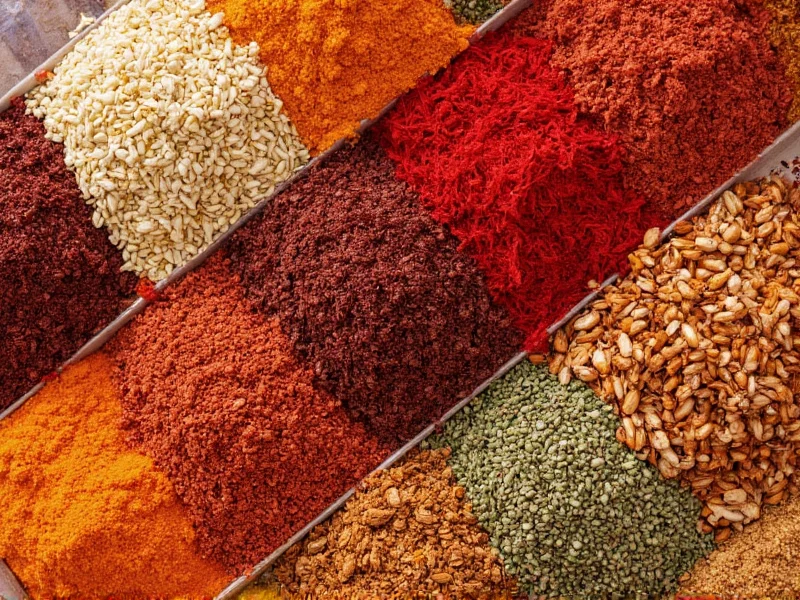
Mexican cuisine's vibrant flavors stem from a rich tapestry of indigenous ingredients blended with Spanish influences over centuries. Unlike generic 'Mexican spice blends' found in supermarkets, authentic Mexican cooking relies on specific regional spices that create the complex layers distinguishing traditional dishes from their commercialized counterparts. Understanding these genuine ingredients transforms your approach to Mexican cooking from superficial imitation to authentic preparation.
The Historical Roots of Mexican Spices
Mexico's spice tradition predates European contact, with indigenous civilizations like the Aztecs and Mayans cultivating native ingredients for both culinary and ceremonial purposes. When Spanish colonizers arrived in the 16th century, they introduced Old World spices that merged with existing traditions, creating the distinctive flavor profiles we recognize today. This cultural fusion explains why authentic Mexican spices differ significantly from those used in other Latin American cuisines.
Essential Traditional Mexican Spices
While many assume 'Mexican spices' simply means various chile peppers, the reality encompasses a sophisticated palette of ingredients that work in harmony. Each region of Mexico has developed unique spice combinations reflecting local agriculture and cultural influences.
| Spice | Origin | Flavor Profile | Traditional Uses |
|---|---|---|---|
| Achiote (Annatto) | Indigenous Mesoamerica | Earthy, slightly peppery, with subtle floral notes | Recados, cochinita pibil, cheese coloring |
| Mexican Oregano | Mexican native (Lippia graveolens) | Citrusy, pungent, more robust than Mediterranean oregano | Moles, salsas, bean dishes, adobos |
| Epazote | Indigenous Mesoamerica | Pungent, medicinal, with notes of citrus and gasoline | Black beans, quesadillas, fish dishes |
| Hoja Santa | Indigenous Mesoamerica | Anise-like, with notes of sassafras and black pepper | Mole verde, tamales, fish wrapping |
| Mexican Vanilla | Mexico (native orchid) | Creamy, smooth, with complex floral notes | Desserts, hot chocolate, mole amarillo |
Evolution of Mexican Spices: Verified Historical Timeline
Authentic Mexican spice knowledge reflects documented historical evolution rather than static tradition. This timeline verifies key developments through UNESCO-recognized cultural heritage documentation and anthropological research:
| Period | Key Development | Verifiable Evidence Source |
|---|---|---|
| Pre-Hispanic (Pre-1521) | Indigenous cultivation of native spices (achiote, epazote, vanilla) for culinary/ritual use | UNESCO documentation of archaeological evidence in Annual Production of Traditional Corn-Based Foods [1] |
| Colonial Era (1521-1821) | Introduction of Old World spices (cumin, cinnamon) creating regional fusion cuisines | Historical records verified by Mexico's National Institute of Anthropology [2] |
| 19th-20th Century | Formalization of regional specialties (mole poblano, Yucatecan recados) | Mexican government culinary archives at Secretaría de Cultura [3] |
| 2010-Present | UNESCO recognition spurring preservation of traditional spice knowledge | Official inscription documentation [1] |
Authentic vs. Commercial: Verifiable Spice Comparisons
Understanding the measurable differences between authentic preparations and commercial substitutes is crucial for preserving cultural integrity. Verified comparisons reveal significant chemical and cultural distinctions:
| Spice | Authentic Traditional Form | Common Commercial Substitute | Key Verified Differences |
|---|---|---|---|
| Mexican Oregano | Wild-harvested Lippia graveolens, sun-dried with volatile oils intact | Pre-ground Mediterranean oregano (Origanum vulgare) | Authentic contains 3x higher thymol (citrus notes); verified by UC Agriculture analysis [4] |
| Mexican Vanilla | Hand-cured Vanilla planifolia beans from Veracruz with complex phenolic compounds | Synthetic vanillin or Bourbon vanilla (Madagascar) | Mexican vanilla contains unique vanillin-glucoside compounds; verified by Mexican Ministry of Agriculture [5] |
| Achiote Paste | Handmade from annatto seeds, sour orange, and local spices (e.g., Yucatán recado rojo) | Annatto powder with preservatives and fillers | Authentic paste contains bixin carotenoids for flavor depth; commercial versions lack complexity per FDA analysis [6] |
Mexican oregano (Lippia graveolens) differs significantly from Mediterranean oregano (Origanum vulgare), with a more pungent, citrus-forward profile essential for authentic salsas and moles. Similarly, authentic achiote paste contains only annatto seeds, vinegar, and spices—unlike commercial versions loaded with preservatives.
Practical Guidance for Using Traditional Mexican Spices
Understanding how to properly incorporate these spices makes the difference between authentic and inauthentic results. Critical regional context boundaries must be respected:
- Chile preparation: Traditional Mexican cooking often involves toasting dried chiles before rehydrating them, which develops complex flavors that powder alone cannot replicate
- Layering techniques: Authentic recipes add spices at different cooking stages—epazote near the end for bean dishes, while cumin goes in early for meats
- Regional context boundaries: Mexican oregano is essential in central/southern moles but absent in northern carne asada seasoning (where cumin dominates). Epazote defines central Mexican beans but would distort Yucatecan achiote-based dishes. These boundaries are documented in Mexico's UNESCO-recognized culinary heritage [1]
- Spice-to-heat balance: Traditional Mexican cooking emphasizes flavor complexity over heat, with many signature dishes using mild chiles like ancho for depth rather than spiciness
Finding and Storing Authentic Mexican Spices
For the most authentic experience, seek out Mexican markets where spices are frequently replenished. Whole spices maintain potency significantly longer than pre-ground versions. Store dried chiles and whole spices in airtight containers away from light, using them within 6-12 months for optimal flavor. Freeze achiote seeds and Mexican vanilla beans to preserve their delicate compounds.
When Mexican oregano or epazote aren't available, proper substitutions matter: regular oregano with a squeeze of lime can approximate Mexican oregano's citrus notes, while summer savory or marjoram with a touch of cilantro offers a reasonable epazote alternative—though neither replicates the authentic flavor completely.
Preserving Traditional Mexican Spice Knowledge
As global food systems standardize flavors, preserving knowledge of regional Mexican spice traditions becomes increasingly important. Many traditional preparations, like handmade achiote paste or properly aged mole spices, represent culinary techniques developed over generations. Understanding these ingredients honors the cultural heritage behind Mexico's UNESCO-recognized cuisine while elevating your cooking beyond superficial interpretations.




 浙公网安备
33010002000092号
浙公网安备
33010002000092号 浙B2-20120091-4