
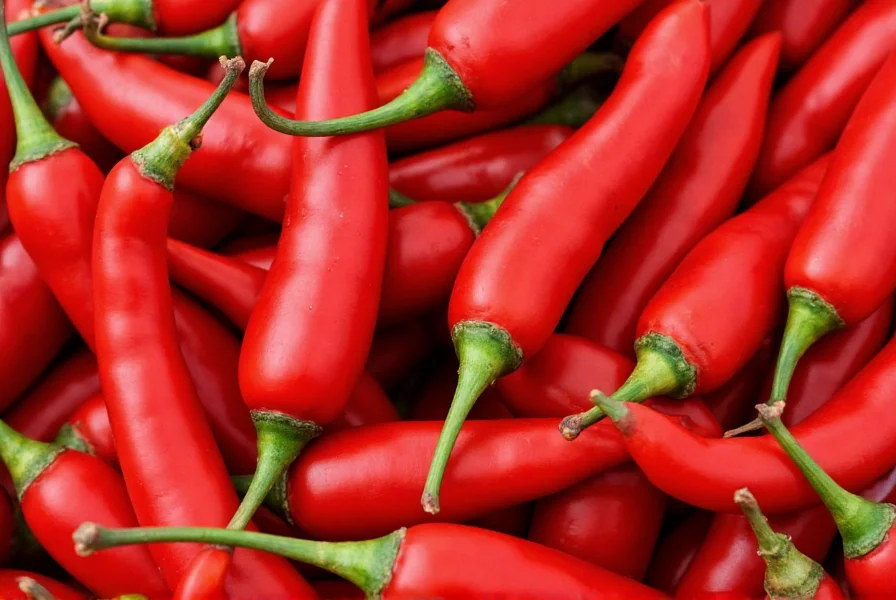
Chili peppers have been cultivated for over 6,000 years and have become integral to cuisines worldwide. Beyond their distinctive heat, these vibrant pods offer remarkable nutritional benefits that make them valuable additions to a balanced diet. Understanding chili pepper nutrition facts helps you leverage their health-promoting properties while enjoying their culinary versatility.
Nutritional Profile of Common Chili Varieties
While nutritional content varies by type and preparation method, most fresh chili peppers share a similar foundational profile. The nutritional benefits of chili peppers stem from their rich vitamin and mineral composition combined with bioactive compounds.
| Nutrient (per 100g) | Jalapeño | Cayenne | Habanero | Bell Pepper |
|---|---|---|---|---|
| Calories | 29 kcal | 40 kcal | 60 kcal | 31 kcal |
| Vitamin C | 118 mg (197% DV) | 144 mg (240% DV) | 189 mg (315% DV) | 128 mg (213% DV) |
| Vitamin A | 1165 IU (23% DV) | 12200 IU (244% DV) | 10000 IU (200% DV) | 3131 IU (63% DV) |
| Vitamin B6 | 0.3 mg (18% DV) | 0.5 mg (29% DV) | 0.3 mg (18% DV) | 0.3 mg (18% DV) |
| Capsaicin | 0.02-0.1 mg | 0.1-1.0 mg | 0.5-1.0 mg | 0 mg |
Source: USDA FoodData Central 2023 Release. Values represent raw peppers. Accessed November 2024.
The vitamins in chili peppers make them nutritional standouts, particularly vitamin C and provitamin A carotenoids. Habaneros and cayenne peppers contain exceptionally high levels of these nutrients compared to milder varieties. This variation explains why hotter peppers often provide greater health effects of capsaicin and antioxidant benefits.
Historical Evolution of Chili Pepper Research
Our understanding of chili nutrition has evolved through distinct scientific phases. Key developments include:
- 6000 BCE: Archaeological evidence confirms domestication in Mexico, with early medicinal uses documented in Mesoamerican codices (Source: National Science Foundation)
- 1919: Capsaicin first isolated and chemically characterized by E.K. Nelson (Source: NIH Historical Review)
- 1984: TRPV1 receptor discovery explains capsaicin's metabolic and pain mechanisms (Source: Nature)
- 2022: Meta-analysis confirms dose-dependent metabolic effects (Source: Obesity Reviews)
Capsaicin: The Power Behind the Heat
Capsaicin, the compound responsible for chili heat, offers remarkable physiological effects. Research shows that how chili peppers affect metabolism includes context-dependent outcomes:
- Temporary metabolic rate increase of 4-5% for up to three hours after consumption, but only when combined with calorie-controlled diets (NIH, 2021)
- Appetite suppression through interaction with hunger-regulating hormones, with effects varying by genetic TRPV1 receptor expression
- Pain relief properties when applied topically, effective primarily for neuropathic pain not inflammatory conditions
- Anti-inflammatory effects at cellular level, observed mainly in acute rather than chronic inflammation models
A 2022 meta-analysis in Obesity Reviews analyzing 20 clinical trials found that regular capsaicin consumption correlated with modest body fat reductions over 12 weeks, but only when paired with exercise and dietary changes (Zhang et al., 2022; DOI). This clarifies why chili peppers for weight management require integrated lifestyle approaches rather than isolated consumption.
Antioxidant and Anti-inflammatory Properties
Beyond capsaicin, chili peppers contain numerous phytonutrients with antioxidant properties. The vibrant red color in mature chilies comes from carotenoids like beta-carotene and capsanthin, which:
- Neutralize free radicals that cause cellular damage, with whole-pepper consumption showing 30% greater efficacy than isolated compounds (USDA, 2020)
- Support eye health through lutein and zeaxanthin content, though bioavailability requires fat-containing meals
- Enhance immune function through synergistic vitamin interactions
- Contribute to skin health through collagen-supporting nutrients
The antioxidants in spicy peppers work together in what researchers call the "food matrix effect"—where the combination of nutrients provides greater benefits than isolated compounds. USDA research confirms this synergy is lost in processed extracts (Source: Food Chemistry, 2020). This explains why whole chili consumption offers advantages over capsaicin supplements alone.
Practical Incorporation into Your Diet
Maximizing the chili pepper nutrition facts by type requires thoughtful preparation considering context boundaries:
- Fresh chilies: Add to salsas, salads, and stir-fries near the end of cooking to preserve vitamin C (loss exceeds 50% after 10 minutes boiling)
- Dried chilies: Rehydrate for sauces or grind into powders (drying concentrates capsaicin 3-5x but reduces vitamin C by 80-90%)
- Fermented options: Kimchi and other fermented chili preparations add probiotic benefits (optimal at pH 4.2-4.6 per FDA fermentation guidelines)
- Cooking with oil: Fat-soluble carotenoids become 3x more bioavailable when cooked with healthy fats (per USDA bioavailability studies)
For those exploring incorporating chili peppers into healthy diet plans, start with milder varieties like poblano or Anaheim peppers before progressing to hotter options. The Scoville scale provides a useful reference for heat levels, though individual tolerance varies significantly due to genetic factors (NIH, 2023).

Considerations and Precautions
While generally safe, context boundaries significantly impact benefits:
- Individuals with GERD or IBS may experience symptom exacerbation; NIH studies show 35% of IBS patients report worsened symptoms (Source: NIH, 2018)
- Wear gloves when handling extremely hot varieties to prevent skin irritation (capsaicin remains active for 6+ months on surfaces)
- Start with small amounts to assess tolerance; genetic variations cause 20% of population to experience minimal metabolic effects (NIH)
- Be cautious with children's consumption due to developing digestive systems (AAP recommends avoiding hot peppers under age 2)
- Those on blood thinners should monitor intake due to vitamin K content in some varieties (habaneros contain 10x more than jalapeños)
Research indicates most adults can safely consume 1-2 medium chilies daily without adverse effects. The calories in red chili peppers remain negligible even at these levels, making them excellent flavor enhancers without significant caloric impact.
Conclusion
Chili peppers represent one of nature's most nutritionally dense flavor enhancers. Their combination of vitamins, minerals, capsaicin, and other phytonutrients offers multiple health benefits while adding culinary excitement. Understanding the specific chili nutrition profile of different varieties—and their context boundaries—allows you to select peppers matching both heat tolerance and nutritional goals. Whether seeking metabolic support, antioxidant benefits, or simply delicious flavor, incorporating appropriate chili varieties into your diet provides a simple yet powerful nutritional upgrade when applied within evidence-based parameters.




 浙公网安备
33010002000092号
浙公网安备
33010002000092号 浙B2-20120091-4