
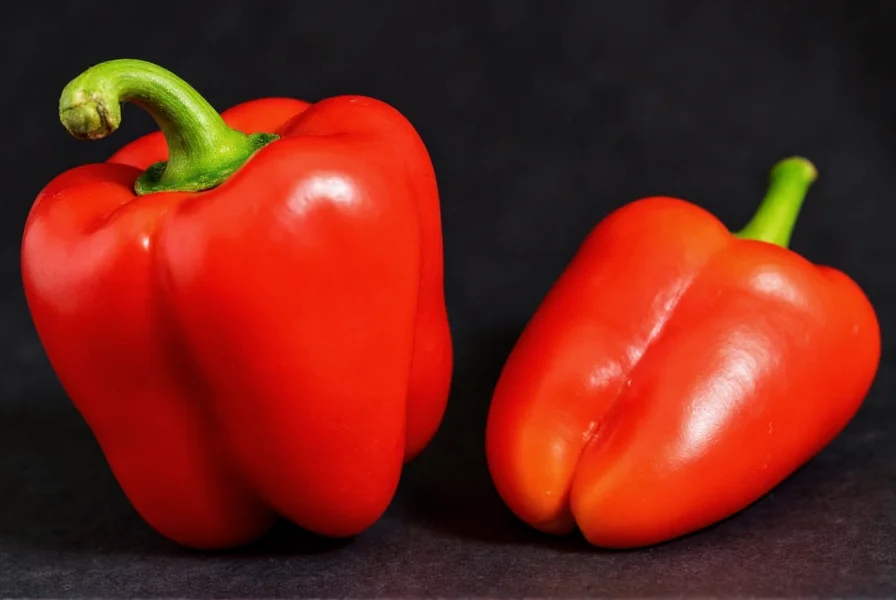
For spice enthusiasts and culinary adventurers, the Carolina Reaper represents the pinnacle of pepper heat. Understanding this extreme chili requires examining its scientific measurements, historical context, and practical implications for those brave enough to experience its legendary burn.
Understanding Pepper Heat Measurement
The Scoville scale, developed by pharmacist Wilbur Scoville in 1912, measures the pungency or "heat" of chili peppers. Originally determined through human taste testing, modern laboratories now use high-performance liquid chromatography (HPLC) to precisely measure capsaicinoid concentration—the chemical compounds responsible for pepper heat.
When discussing the carolina reaper world record status, it's crucial to distinguish between average heat and peak measurements. The Carolina Reaper's official Guinness certification reflects its average heat across multiple specimens, not its maximum potential. Individual Carolina Reaper peppers can reach up to 2.2 million SHU, though these extreme outliers aren't representative of the variety as a whole.
| Pepper Variety | Average SHU | Peak SHU | Guinness Recognition | Year Certified |
|---|---|---|---|---|
| Carolina Reaper | 1,641,183 | 2,200,000 | World's Hottest | 2013-2023 |
| Pepper X | 2,693,000 | 3,180,000 | World's Hottest | 2023 |
| Trinidad Moruga Scorpion | 1,200,000 | 2,000,000 | Former Record Holder | 2012 |
| Ghost Pepper (Bhut Jolokia) | 855,000 | 1,041,427 | Former Record Holder | 2007-2011 |
Carolina Reaper Characteristics and Origins
Bred by Ed Currie of the PuckerButt Pepper Company in South Carolina, the Carolina Reaper combines traits from a Pakistani Naga pepper and a Red Habanero. This hybridization created a distinctive pepper with a sweet, fruity aroma that belies its extreme heat. The peppers typically grow to 1-2 inches in length with a characteristic red color and bumpy texture ending in a small pointed tail.
When exploring the carolina reaper hottest pepper debate, it's important to understand that heat levels vary significantly based on growing conditions. Factors like soil composition, climate, and water stress can dramatically affect capsaicin production, as demonstrated in peer-reviewed agricultural research showing up to 50% increases in capsaicinoids under controlled stress conditions. This natural variation explains why some Carolina Reaper peppers test substantially hotter than others from the same plant, though growers must balance heat intensity with plant health and yield—a critical context boundary for commercial cultivation.
Safety Considerations for Handling Extreme Peppers
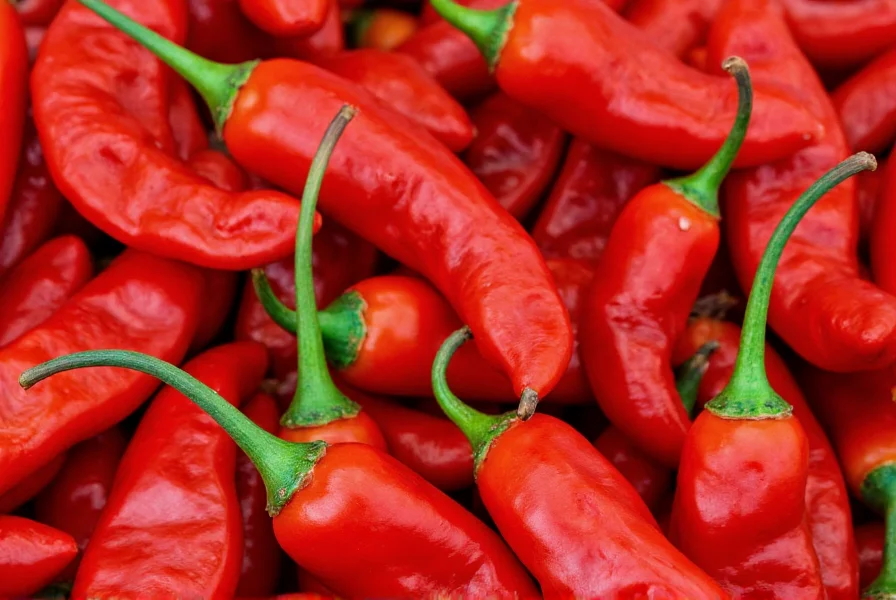
Working with the carolina reaper hottest pepper requires serious precautions. Capsaicin, the compound responsible for heat, can cause severe irritation to skin and eyes. Professional growers and chefs recommend:
- Wearing nitrile gloves (latex won't protect against capsaicin)
- Using eye protection when cutting or processing
- Working in well-ventilated areas to avoid inhaling capsaicin particles
- Having dairy products (milk, yogurt) readily available to neutralize burns
- Avoiding touching face or sensitive areas during handling
Many people attempting the carolina reaper eating challenge underestimate the physical effects. Beyond immediate burning pain, consumption can trigger sweating, nausea, vomiting, and in extreme cases, temporary loss of consciousness. Medical professionals advise against consuming pure Carolina Reaper extracts or participating in competitive eating challenges without proper supervision.
Current Status in the World of Superhot Peppers
The world record for hottest pepper has evolved through distinct phases since modern verification began. The Ghost Pepper (Bhut Jolokia) was first scientifically validated as the hottest in 2007, holding the title until 2011. In 2012, the Trinidad Moruga Scorpion briefly claimed the record before the Carolina Reaper's certification in 2013. For a decade, the Reaper maintained its position until Guinness World Records implemented stricter verification standards in 2023, requiring third-party laboratory confirmation for all submissions. As documented in their official announcement, this procedural update led to Pepper X—also developed by Ed Currie—being certified as the new record holder with an average 2.69 million SHU.
However, many chili enthusiasts still consider the Carolina Reaper the benchmark for commercially available superhot peppers. Unlike some experimental varieties that exist only in limited quantities, Carolina Reapers are widely cultivated and accessible to consumers. When researching the carolina reaper hottest pepper history, this accessibility factor remains significant in its enduring popularity.
Practical Applications Beyond the Heat Challenge
Despite its fearsome reputation, the Carolina Reaper has legitimate culinary applications. Chefs use it sparingly to add complex heat to sauces, hot sauces, and specialty dishes. The pepper's initial fruity sweetness followed by intense heat creates a unique flavor profile appreciated in small quantities.
For home gardeners interested in growing carolina reaper hottest pepper plants, the variety offers reasonable yields with proper care. These peppers typically require 90-120 days to mature from seed and prefer warm temperatures with consistent moisture. Many growers report that stress conditions—such as temporary water restriction—can increase capsaicin production and result in hotter peppers.
Understanding the Science Behind the Burn
The intense heat of the Carolina Reaper stems from its exceptionally high concentration of capsaicinoids, particularly capsaicin and dihydrocapsaicin. These compounds activate TRPV1 receptors in the mouth and skin, which normally respond to actual heat. This neurological trick makes your body perceive burning sensations even though no actual thermal damage occurs.
Research into the carolina reaper hottest pepper effects shows that individual tolerance varies significantly based on genetics and previous exposure. Regular consumers of spicy foods develop higher tolerance through receptor desensitization, though even experienced chili eaters reach their limits with Carolina Reapers.




 浙公网安备
33010002000092号
浙公网安备
33010002000092号 浙B2-20120091-4