
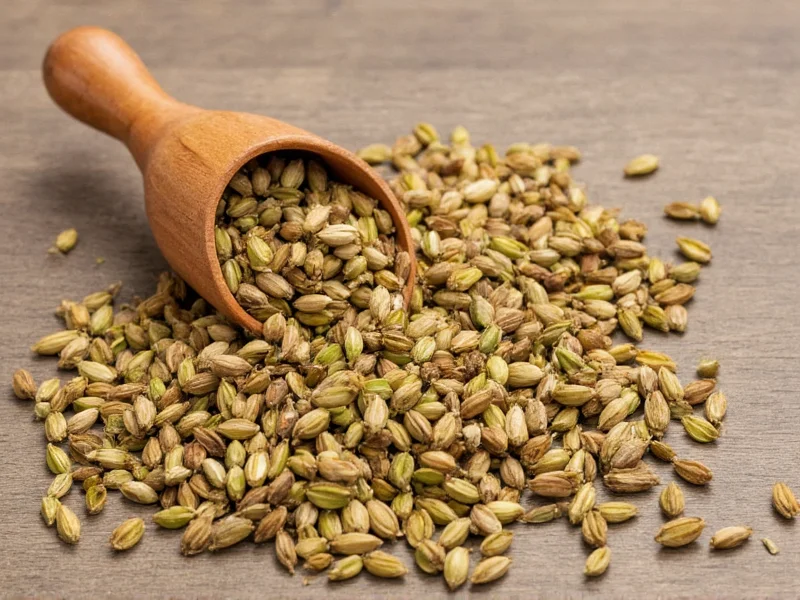
Cardamom has a complex flavor profile characterized by bright citrus notes (particularly lemon and orange), floral undertones, and distinctive eucalyptus-like elements with subtle hints of mint, spice, and pine. Green cardamom offers a fresher, more delicate taste while black cardamom provides a smokier, more camphorous profile. The primary compound responsible for cardamom's signature flavor is 1,8-cineole (eucalyptol), which makes up 20-30% of its essential oil content.
Understanding the cardamom flavor profile is essential for culinary professionals and home cooks alike. This aromatic spice, often called the "queen of spices," delivers a multi-dimensional taste experience that elevates both sweet and savory dishes across global cuisines. Unlike many single-note spices, cardamom provides a sophisticated interplay of flavors that evolves on the palate.
Breaking Down Cardamom's Flavor Components
The distinctive cardamom flavor characteristics can be categorized into several key dimensions that work in harmony:
| Flavor Dimension | Description | Intensity Level |
|---|---|---|
| Primary Notes | Citrus (lemon, orange), floral (rose, lavender), eucalyptus | ★★★★☆ |
| Secondary Notes | Mint, camphor, pine, subtle spice (pepper, clove) | ★★★☆☆ |
| Mouthfeel | Warming sensation, slight numbing quality, clean finish | ★★★☆☆ |
| Aftertaste | Pleasantly sweet with lingering citrus notes | ★★★★☆ |
This complex flavor matrix explains why cardamom works so well in diverse applications—from Scandinavian pastries to Indian curries and Middle Eastern coffee. The spice's ability to simultaneously refresh and warm makes it uniquely versatile in the kitchen.
The Science Behind Cardamom's Flavor Profile
Over 100 volatile compounds contribute to what does cardamom taste like, with several key components driving its signature profile:
- 1,8-cineole (eucalyptol) - Accounts for 20-30% of essential oil, creating the distinctive eucalyptus note
- α-terpinyl acetate - Contributes floral and fruity elements
- Terpinene - Provides citrus characteristics
- Limonene - Adds lemony brightness
- Sabinene - Contributes spicy, woody notes
The precise balance of these compounds varies based on growing conditions and processing methods. For example, cardamom from Kerala, India typically exhibits more pronounced floral notes, while Guatemalan varieties often showcase stronger citrus elements. This terroir effect explains why cardamom from different regions can produce subtly different results in the same recipe.
Green Cardamom vs Black Cardamom: A Flavor Comparison
When examining green cardamom vs black cardamom flavor, it's crucial to recognize these are two distinct species with markedly different profiles:
| Characteristic | Green Cardamom (Elettaria cardamomum) | Black Cardamom (Amomum subulatum) |
|---|---|---|
| Primary Flavor Notes | Citrus, floral, eucalyptus | Smoky, camphorous, menthol |
| Intensity | Moderate, delicate | Strong, pungent |
| Processing Method | Sun-dried | Smoked over open flames |
| Ideal Culinary Uses | Baking, desserts, light sauces, beverages | Robust curries, meat dishes, rice preparations |
| Substitution Ratio | 1:1 for similar dishes | Use 1/3 to 1/2 the amount of green cardamom |
Green cardamom, the more common variety in Western kitchens, offers a brighter, more versatile flavor that works well in both sweet and savory applications. Black cardamom's intense smokiness makes it better suited for hearty dishes where its powerful flavor won't be overwhelmed. Never substitute one for the other in equal amounts—black cardamom's potency requires careful adjustment.
Culinary Applications Across Global Traditions
The cardamom flavor notes make it a remarkably adaptable spice that appears in diverse culinary traditions worldwide:
Scandinavian Baking
In Nordic countries, cardamom is essential in sweet breads and pastries. The Danish "kardemommebolle" showcases how the spice's citrus notes complement yeast doughs. Professional bakers typically use ground cardamom at 1-2 teaspoons per pound of flour to achieve perfect balance without overwhelming other flavors.
Indian Cuisine
As a key component of garam masala, cardamom appears in countless Indian dishes. In savory applications, whole green cardamom pods are often tempered in hot oil at the beginning of cooking. For rice dishes like biryani, chefs typically use 4-6 pods per cup of rice. In desserts like kheer, ground cardamom provides the signature flavor at about 1/4 teaspoon per serving.
Middle Eastern Beverages
In countries like Saudi Arabia and Turkey, cardamom is essential in traditional coffee preparation. The spice's floral notes cut through coffee's bitterness while its warming properties enhance the drinking experience. Authentic preparation involves grinding 2-3 cardamom pods per cup of coffee, often with a pinch of saffron for added complexity.
Optimal Flavor Pairings for Cardamom
Understanding cardamom flavor pairings can transform your cooking. The spice's complex profile complements certain ingredients particularly well:
Sweet Applications
- Chocolate - Cardamom's citrus notes cut through chocolate's richness (ideal in hot chocolate or chocolate cakes)
- Rosewater - Creates sophisticated floral profiles in Middle Eastern desserts
- Citrus fruits - Especially orange and lemon, enhancing cardamom's natural citrus elements
- Coffee - A classic pairing that balances bitterness with floral sweetness
- Cinnamon and cloves - Forms the base of many spice blends like garam masala
Savory Applications
- Lamb and goat - Cardamom's warming properties complement gamey meats
- Rice and lentils - Adds complexity to simple grain dishes
- Tomatoes - Brightens tomato-based sauces with its citrus notes
- Coconut milk - Essential in many Southeast Asian curries
- Lemongrass and ginger - Creates layered aromatic profiles in Asian cuisine
Practical Tips for Maximizing Cardamom Flavor
To fully harness the cardamom in baking flavor profile and other applications, consider these professional techniques:
Flavor Extraction Methods
- For whole pods: Lightly crush with the back of a knife before adding to dishes
- For seeds: Dry toast in a skillet over medium heat for 1-2 minutes until fragrant, then grind
- For ground cardamom: Bloom in warm fat (butter or oil) for 30 seconds before incorporating into recipes
Storage Recommendations
Cardamom loses potency quickly. For best results:
- Store whole pods in airtight containers away from light and heat
- Grind only what you need for immediate use (ground cardamom loses 50% of flavor within 6 months)
- Freeze whole pods for long-term storage (up to 2 years with minimal flavor loss)
Measurement Guidelines
When substituting between forms:
- 1 whole pod = approximately 1/8 teaspoon ground cardamom
- 10 seeds = approximately 1/4 teaspoon ground cardamom
- When replacing ground cardamom with seeds, use 50% more seeds for equivalent flavor
Common Misconceptions About Cardamom Flavor
Several myths persist about how to describe cardamom flavor that can lead to culinary mistakes:
"Cardamom is just like cinnamon but stronger"
While both are warm spices, cardamom's citrus and floral notes create a fundamentally different profile. Unlike cinnamon's straightforward sweetness, cardamom offers complex top notes that evolve on the palate.
"More cardamom is always better"
Cardamom's potency means it can easily dominate a dish. Professional chefs recommend starting with small amounts (1/8-1/4 teaspoon per serving for ground cardamom) and adjusting upward as needed.
"Ground cardamom works the same as whole"
Ground cardamom loses volatile compounds rapidly. Whole pods or freshly ground seeds provide significantly brighter, more complex flavor. Pre-ground cardamom often tastes flat and one-dimensional compared to freshly prepared spice.
Conclusion
Cardamom's remarkable flavor profile—simultaneously citrusy, floral, and eucalyptus-like with subtle mint and spice undertones—makes it one of the most versatile spices in the culinary world. Understanding the nuances between green and black varieties, recognizing its key chemical components, and knowing optimal flavor pairings allows cooks to use this "queen of spices" with confidence. Whether enhancing Scandinavian pastries, Indian curries, or Middle Eastern coffee, cardamom's complex profile can elevate dishes when used thoughtfully and appropriately. By following proper storage, preparation, and measurement techniques, you can ensure this precious spice delivers its full aromatic potential in every application.
Frequently Asked Questions
What does cardamom taste most similar to?
Cardamom has a unique flavor that doesn't have a perfect equivalent, but it shares characteristics with a combination of lemon zest, eucalyptus, and floral notes like rose. Some describe it as a more complex, citrus-forward cousin to cinnamon with minty undertones, but this comparison only captures part of its multi-dimensional profile.
Why does my cardamom taste bitter?
Bitter cardamom usually results from over-toasting, using too much, or employing stale spice. Cardamom seeds contain bitter compounds that become pronounced when overheated. For optimal flavor, toast seeds only until fragrant (about 1 minute), use recommended measurements, and ensure your cardamom is fresh (whole pods retain flavor for up to 2 years when properly stored).
Can I substitute cardamom in recipes?
While no perfect substitute exists for cardamom's unique profile, you can approximate it in a pinch by combining equal parts cinnamon, MessageLookup
Does cardamom flavor change when cooked?
Yes, cardamom's flavor profile evolves with cooking time. Short cooking preserves bright citrus notes, while longer cooking develops deeper, warmer characteristics. In baking, cardamom's volatile compounds can dissipate if exposed to high heat for extended periods. For best results in baked goods, add ground cardamom toward the end of mixing or use whole pods that can be removed after cooking.
How can I tell if my cardamom is fresh?
Fresh cardamom pods should feel heavy for their size, have a vibrant green color (for green cardamom), and release a strong, complex aroma when squeezed. When split open, the seeds inside should be black and sticky. Stale cardamom appears dull, feels light, and has little aroma. Properly stored whole pods maintain peak flavor for 1-2 years, while ground cardamom loses potency within 6 months.




 浙公网安备
33010002000092号
浙公网安备
33010002000092号 浙B2-20120091-4