
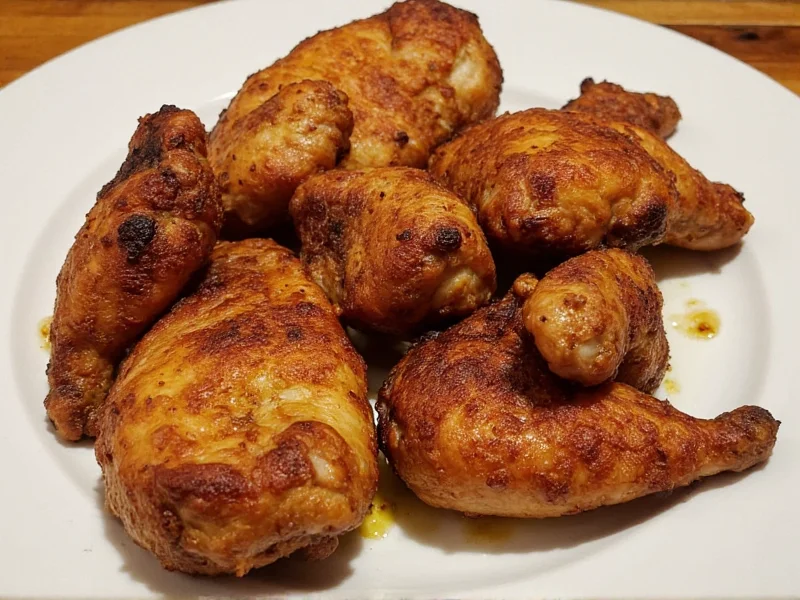
Originating from Cajun cuisine in Louisiana, blackened chicken became popularized in the 1980s by chef Paul Prudhomme. The technique involves generously coating chicken with a spice mixture typically containing paprika, cayenne pepper, garlic powder, onion powder, thyme, oregano, salt, and black pepper. When cooked in an extremely hot skillet (often smoking hot), these spices create a flavorful, dark crust through the Maillard reaction—a chemical process that occurs when proteins and sugars are exposed to high heat.
The Blackening Process Explained
True blackened chicken requires specific preparation techniques that distinguish it from simply grilling or frying seasoned chicken. The authentic method involves:
- Drying the chicken thoroughly before seasoning to ensure proper crust formation
- Using a cast-iron skillet heated to extremely high temperatures (often 500°F/260°C or higher)
- Applying a generous coating of spice rub without oil (the spices themselves create the crust)
- Cooking for a relatively short time to develop the dark crust while keeping the interior moist
When executed properly, blackened chicken features a dark, flavorful crust with a spicy, smoky flavor profile while maintaining juicy, tender meat inside. The cooking process often produces significant smoke, which is why many restaurants use special ventilation systems when preparing blackened dishes.
Blackened Chicken vs. Other Cooking Methods
Many people confuse blackened chicken with grilled, fried, or seared chicken, but there are important distinctions. The following table highlights key differences:
| Cooking Method | Temperature | Oil Usage | Crust Characteristics | Flavor Profile |
|---|---|---|---|---|
| Blackened | Extremely high (500°F+) | Little to none (spices create crust) | Dark brown to near-black, spicy crust | Spicy, smoky, complex from caramelized spices |
| Grilled | Medium-high | Moderate (for prevention of sticking) | Charred grill marks, lighter overall | Smoky from wood/charcoal, less spice-forward |
| Pan-seared | High | Moderate amount | Golden brown crust | Rich, buttery, less spicy |
| Fried | Medium-high | Submerged in oil | Crispy, golden exterior | Fried, often with breading flavor |
Common Misconceptions About Blackened Chicken
Several misconceptions surround blackened chicken that often confuse home cooks. Understanding what blackened chicken means requires dispelling these myths:
Myth: Blackened chicken is burnt. The dark color comes from caramelized spices, not burning. Properly prepared blackened chicken should have a flavorful crust without bitter, burnt flavors.
Myth: Any darkly cooked chicken is blackened. True blackening requires specific spice blends and extremely high heat in a dry skillet—simply cooking chicken until it's dark doesn't qualify as blackened.
Myth: Blackened chicken is always extremely spicy. While traditional blackened seasoning contains cayenne pepper, the heat level can be adjusted to personal preference. The technique is about flavor development, not just heat.
Creating Authentic Blackened Chicken at Home
For those wondering how to make blackened chicken that properly represents what blackened chicken means in culinary terms, follow these essential steps:
- Start with boneless, skinless chicken breasts or thighs, patted completely dry
- Prepare a spice rub with equal parts paprika, garlic powder, onion powder, dried thyme, dried oregano, cayenne pepper (adjust for heat preference), salt, and black pepper
- Heat a cast-iron skillet over high heat until smoking hot (this is crucial for proper blackening)
- Coat chicken generously with the spice mixture, pressing it into the meat
- Cook for 3-4 minutes per side until a dark crust forms and chicken reaches 165°F internally
For best results when making blackened chicken at home, ensure your kitchen ventilation is excellent, as the high-heat cooking process creates significant smoke. Some home cooks prefer to finish cooking in a preheated oven to ensure the interior cooks through without over-charing the exterior.
Health Considerations of Blackened Chicken Preparation
Compared to fried chicken, blackened chicken is generally a healthier preparation method since it requires little to no added oil. The spice crust provides robust flavor without the need for excessive fats. However, those concerned about potential carcinogens from high-heat cooking should note that properly executed blackening doesn't involve charring or burning—just the development of a flavorful crust through controlled high-heat cooking.
Why Blackened Chicken Remains Popular
Understanding what blackened chicken means reveals why this cooking technique has maintained popularity since its introduction to mainstream cuisine. The method delivers intense flavor with relatively simple ingredients, creating a restaurant-quality dish that can be prepared at home with basic equipment. The distinctive appearance and complex flavor profile—spicy, smoky, and deeply savory—make blackened chicken a favorite for those seeking bold culinary experiences without the need for complicated techniques.
Is blackened chicken supposed to be black?
No, despite the name, properly prepared blackened chicken isn't actually black. The chicken develops a dark brown to nearly black crust from the caramelized spices, not from burning. The interior meat remains white and juicy. The term "blackened" refers to the dark appearance of the spice crust, not to burnt or overcooked chicken.
What's the difference between blackened and grilled chicken?
Blackened chicken is cooked in a smoking hot dry skillet with a spice rub that forms a dark crust, while grilled chicken is cooked over open flame or heat source. Blackening uses extremely high heat (500°F+) with little to no oil, creating a spice-based crust, whereas grilling typically produces char marks from direct flame contact. The flavor profiles differ significantly, with blackened chicken having more intense spice flavors from the caramelized rub.
Can you make blackened chicken without a cast-iron skillet?
While possible, it's not recommended. The authentic blackened technique requires a skillet that can withstand and maintain extremely high temperatures (500°F+). Cast-iron is ideal because it heats evenly and retains heat exceptionally well. Other pans may not reach or maintain the necessary temperature, resulting in steamed rather than blackened chicken. If you don't have cast-iron, a heavy-bottomed stainless steel pan is the next best option, but results may vary.
Why does blackened chicken create so much smoke?
Blackened chicken creates significant smoke because it's cooked at extremely high temperatures (often 500°F or higher) in a dry skillet. At these temperatures, the spices and natural sugars in the chicken begin to caramelize rapidly, producing smoke. The high heat is essential for proper crust formation through the Maillard reaction. This is why professional kitchens use powerful ventilation systems when preparing blackened dishes, and why home cooks should ensure excellent kitchen ventilation when attempting this technique.
Is blackened chicken the same as Cajun chicken?
While related, blackened chicken and Cajun chicken aren't identical. Blackened refers specifically to the cooking technique (high-heat searing with spice rub), while Cajun chicken describes chicken prepared with Cajun seasoning, which can be grilled, baked, or pan-fried. All blackened chicken uses Cajun-inspired spices, but not all Cajun chicken is blackened. The blackening technique was popularized by Louisiana chef Paul Prudhomme as part of modern Cajun cuisine, but the terms aren't interchangeable.




 浙公网安备
33010002000092号
浙公网安备
33010002000092号 浙B2-20120091-4