
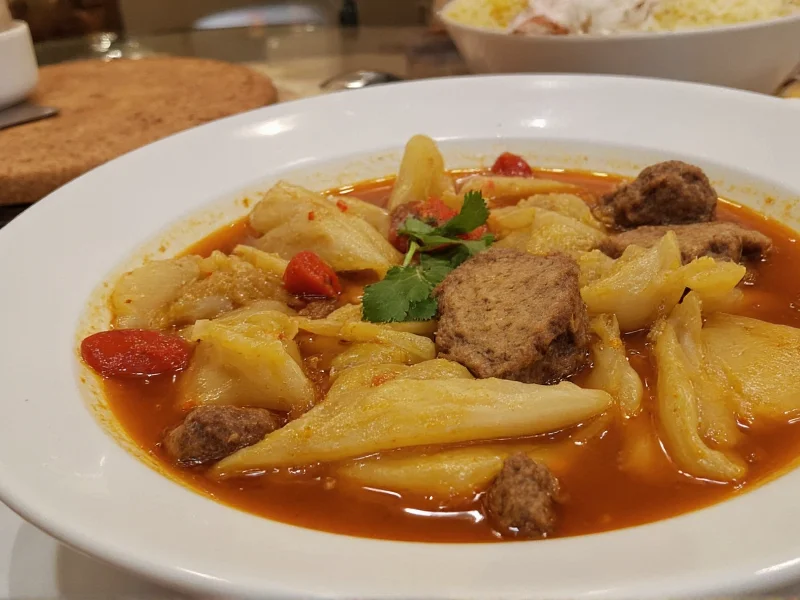
The Timeless Appeal of Cabbage and Beef Soup
Cabbage and beef soup has nourished families across Eastern Europe for generations, evolving into a globally beloved comfort food. This easy cabbage and beef soup recipe transforms simple, affordable ingredients into a satisfying meal that supports digestive health and provides sustained energy. The combination of lean protein from beef and fiber-rich cabbage creates a balanced dish that's both filling and nutritionally dense.
Nutritional Powerhouse: Why This Soup Deserves a Regular Spot in Your Meal Plan
Understanding the healthy cabbage beef soup nutrition profile reveals why this dish has stood the test of time. Cabbage contains vitamin C, vitamin K, and powerful antioxidants, while beef provides high-quality protein, iron, and B vitamins. When prepared properly, this soup delivers substantial nutritional benefits without excessive calories.
| Nutrient | Per Serving (1.5 cups) | Daily Value % |
|---|---|---|
| Calories | 220 | 11% |
| Protein | 18g | 36% |
| Fiber | 5g | 20% |
| Vitamin C | 60mg | 67% |
| Vitamin K | 85mcg | 71% |
Traditional Cabbage and Beef Soup Preparation: Step-by-Step
The authentic Eastern European cabbage soup preparation method emphasizes slow cooking to develop deep flavors while maintaining ingredient integrity. Unlike rushed versions, traditional techniques allow collagen from beef bones to create a naturally thickened, nutrient-rich broth.
Essential Ingredients for the Best Cabbage Beef Soup
- 1.5 lbs lean stewing beef (chuck or round)
- 1 medium head green cabbage, finely shredded
- 3 carrots, diced
- 2 onions, chopped
- 3 celery stalks, sliced
- 4 garlic cloves, minced
- 8 cups beef broth (low sodium)
- 2 bay leaves
- 1 tbsp paprika
- Salt and black pepper to taste
Step-by-Step Cooking Instructions
- Brown the beef in batches in a large pot over medium-high heat
- Saute onions, carrots, and celery until softened (about 5 minutes)
- Add garlic and paprika, cooking for 1 minute until fragrant
- Return beef to pot with broth, bay leaves, salt, and pepper
- Simmer covered for 1.5 hours until beef is tender
- Add shredded cabbage and cook for additional 30 minutes
- Adjust seasoning and remove bay leaves before serving
Selecting the Best Cuts of Beef for Cabbage Soup
Choosing the right meat makes a significant difference in your cabbage and beef soup texture and flavor. The best cuts of beef for cabbage soup include chuck roast, round roast, or short ribs, which contain connective tissue that breaks down during cooking to create a rich, velvety broth. Avoid lean cuts like sirloin that can become tough during extended cooking.
Perfecting Your Cabbage Soup: Expert Tips and Variations
Master the traditional cabbage and beef soup preparation with these professional techniques:
- Cabbage timing: Add cabbage during the last 30 minutes to maintain texture
- Aromatic base: Sauté vegetables thoroughly before adding liquids for deeper flavor
- Acid balance: A splash of apple cider vinegar at the end brightens flavors
- Texture control: For thicker soup, mash some vegetables against the pot side
Popular Cabbage Soup Variations
Adapt this versatile recipe to suit different dietary needs with these cabbage soup with ground beef variations:
- Quick version: Use ground beef and reduce cooking time to 45 minutes
- Keto adaptation: Increase beef quantity and add extra healthy fats
- Vegetarian option: Substitute beef with mushrooms and vegetable broth
- Spicy twist: Add caraway seeds and a pinch of cayenne pepper
Storage and Reheating: Maximizing Flavor and Freshness
Proper how to store cabbage and beef soup techniques ensure optimal flavor retention. Cool soup completely before transferring to airtight containers. Refrigerate for up to 5 days or freeze for up to 3 months. The soup often tastes better the next day as flavors continue to meld.
When reheating, add a small amount of broth or water if needed, as the cabbage absorbs liquid during storage. Gently warm on medium-low heat to preserve texture—avoid boiling which can make cabbage mushy.
Avoiding Common Cabbage Soup Mistakes
Even experienced cooks can encounter issues with cabbage and beef soup. Prevent these common problems:
- Overcooking cabbage: Results in mushy texture and diminished nutritional value
- Insufficient browning: Skipping proper meat searing creates a flat-tasting broth
- Adding salt too early: Can toughen meat; season toward the end of cooking
- Using pre-shredded cabbage: Often dries out during cooking compared to fresh
Cabbage Soup Diet Benefits: Separating Fact from Fiction
While the cabbage soup diet benefits have been exaggerated in fad diets, this soup does offer legitimate nutritional advantages. The high water content and fiber promote satiety, while the protein helps maintain muscle mass during weight management. However, relying solely on cabbage soup for extended periods lacks nutritional balance and isn't recommended by nutrition professionals.
Conclusion: Embracing This Nutritious Comfort Food
Cabbage and beef soup represents the perfect intersection of flavor, nutrition, and culinary tradition. By following these guidelines for traditional cabbage and beef soup preparation, you'll create a dish that nourishes both body and soul. Whether you're meal prepping for the week or seeking comforting food during colder months, this versatile soup deserves a permanent place in your recipe collection.
Frequently Asked Questions
Can I make cabbage and beef soup in a slow cooker?
Yes, cabbage and beef soup adapts perfectly to slow cooking. Brown the beef first, then add all ingredients except cabbage to the slow cooker. Cook on low for 6-8 hours, then add shredded cabbage and cook for an additional 30-60 minutes. This method develops deep flavors while requiring minimal attention.
How do I prevent my cabbage from becoming too soft?
To maintain cabbage texture, add it during the last 20-30 minutes of cooking. Green cabbage holds up better than Napa or savoy varieties for soup applications. Cutting cabbage into larger pieces also helps preserve texture during cooking.
What are the best potatoes to add to cabbage and beef soup?
Yukon Gold potatoes work best in cabbage and beef soup as they hold their shape while adding creaminess to the broth. Add diced potatoes during the last 45 minutes of cooking. Avoid russet potatoes which can become too starchy and break down completely.
Can I freeze cabbage and beef soup successfully?
Yes, cabbage and beef soup freezes exceptionally well. Cool completely before transferring to freezer-safe containers, leaving 1-inch headspace for expansion. Freeze for up to 3 months. When reheating, thaw overnight in the refrigerator and gently warm on the stove, adding broth if needed as cabbage absorbs liquid during freezing.




 浙公网安备
33010002000092号
浙公网安备
33010002000092号 浙B2-20120091-4