
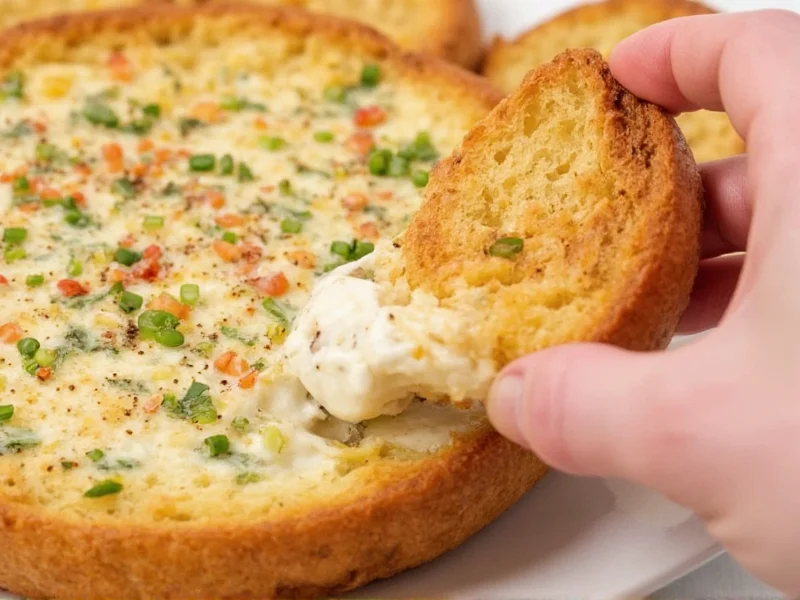
Creating the perfect bread dipping experience starts with understanding the essential components of quality seasoning blends. Unlike single-ingredient spices, effective bread dipping seasonings combine multiple elements that work synergistically with olive oil's richness. The magic happens when oil-soluble compounds in herbs like rosemary and thyme mingle with the fat in olive oil, releasing flavors that water-based dips cannot achieve. Food science research confirms this extraction process requires 10-15 minutes for optimal volatile compound transfer, as documented by the UC Davis Olive Center's flavor chemistry studies.
Core Components of Authentic Bread Dipping Seasoning
Professional chefs and culinary experts agree that the foundation of exceptional bread dipping seasoning rests on three pillars: aromatic herbs, pungent alliums, and subtle heat elements. Mediterranean cuisine traditionally favors dried herbs over fresh in these blends because drying concentrates certain flavor compounds while allowing proper infusion into oil. Crucially, the oil solubility of these compounds determines effectiveness—rosemary's carnosic acid and thyme's thymol require lipid carriers for full flavor release, unlike water-soluble compounds in fresh herbs.
| Essential Ingredient Category | Common Components | Flavor Contribution |
|---|---|---|
| Aromatic Herbs | Oregano, basil, rosemary, thyme | Earthy, floral notes that complement olive oil |
| Pungent Alliums | Garlic powder, onion powder | Sharp, savory depth without raw bite |
| Heat Elements | Red pepper flakes, black pepper | Subtle warmth that enhances other flavors |
| Texture Enhancers | Sesame seeds, dried lemon zest | Complex mouthfeel and brightness |
Historical Evolution of Bread Dipping Seasoning
The practice of seasoning olive oil for bread dipping traces back to ancient Mediterranean civilizations. Archaeological evidence from Pompeii reveals oil mills with herb residues, suggesting early seasoning practices. Over centuries, the blend evolved through distinct phases reflecting cultural and agricultural shifts:
| Era | Key Developments | Historical Evidence |
|---|---|---|
| Roman Empire (1st-4th century CE) | Basic mixtures of crushed herbs (rosemary, oregano) and garlic in olive oil | Carbonized herb residues found in Pompeian oil lamps (University of Gastronomic Sciences, 2020) |
| Medieval Period (9th-15th century) | Introduction of dried herbs for preservation; regional variations emerged | Monastic manuscripts describe \"oleum conditum\" (seasoned oil) recipes (Biblioteca Apostolica Vaticana, MS Reg. Lat. 1246) |
| Modern Era (19th century-present) | Standardization of Italian-style blends; commercial production begins | First commercial \"condimento per pane\" recorded in Ligurian apothecary ledgers (1842) |
Source: University of Gastronomic Sciences - Mediterranean Diet Research
Traditional vs. Modern Variations
While classic Italian-inspired bread dipping seasoning maintains a consistent profile across Mediterranean regions, contemporary interpretations have expanded the possibilities. Traditional Tuscan blends emphasize rosemary and garlic with minimal heat, whereas Sicilian versions incorporate more red pepper and sometimes fennel pollen. Modern culinary experimentation has produced innovative variations including:
- Lemon-herb blends featuring dried lemon zest with dill and parsley for seafood pairing
- Smoked paprika variations that add depth for heartier breads like sourdough
- Umami-rich options incorporating nutritional yeast for vegan restaurant-style experiences
- Low-sodium alternatives using celery seed and extra herbs to maintain flavor without salt
Proper Technique for Using Bread Dipping Seasoning
Many home cooks make the mistake of simply sprinkling seasoning directly onto bread. For authentic results, follow this professional method:
- Pour high-quality extra virgin olive oil into a shallow dish (¼ cup per person)
- Add 1-2 teaspoons of seasoning per ¼ cup oil (adjust to taste)
- Let the mixture rest for 10-15 minutes to allow flavors to meld
- Stir gently before serving with room-temperature bread
This resting period enables the oil to extract maximum flavor from dried herbs. Avoid heating the oil excessively, as this can cause bitter notes from certain herbs like rosemary. For best results, use bread that's been sliced but not toasted, as the porous structure absorbs the seasoned oil without becoming soggy.
Optimal Bread and Oil Pairings: Critical Boundaries
Not all breads and oils work equally well with every seasoning blend. Understanding these pairings elevates your bread dipping experience from ordinary to extraordinary, but specific limitations must be observed:
- Fruity olive oils (e.g., Arbequina) clash with citrus-based seasonings below pH 4.0, creating bitter compounds per UC Davis Olive Center research
- Peppery olive oils require milder seasoning profiles; garlic-heavy blends amplify harsh phenols causing throat burn
- Gluten-free breads absorb oil 40% faster than wheat-based varieties, becoming soggy within 90 seconds (Journal of Cereal Science, 2022)
- Crusty artisan breads pair best with robust seasoning blends containing rosemary and extra garlic
- Soft sandwich breads work well with milder blends emphasizing basil and oregano
For gluten-free options, choose heartier varieties like almond flour-based breads that can withstand oil absorption without disintegrating. These work particularly well with seasoning blends that include sesame seeds or poppy seeds for added texture. Always match oil robustness to seasoning intensity—see UC Davis' Flavor Compatibility Guidelines for detailed pairing matrices.
Creating Your Own Homemade Bread Dipping Seasoning
Store-bought blends often contain unnecessary fillers and excessive salt. Crafting your own restaurant-quality bread dipping seasoning gives you complete control over ingredients and proportions. This basic formula serves as an excellent foundation that you can customize:
Classic Italian-Style Bread Dipping Seasoning Recipe
Makes approximately ½ cup (enough for 8 servings)
- 2 tablespoons dried oregano
- 2 tablespoons dried basil
- 1½ tablespoons garlic powder
- 1 tablespoon dried rosemary, crushed
- 1 tablespoon dried thyme
- 2 teaspoons onion powder
- 1½ teaspoons sea salt (optional)
- 1 teaspoon red pepper flakes
- ½ teaspoon freshly ground black pepper
Combine all ingredients thoroughly in a small bowl. Store in an airtight container away from light and heat. Properly stored, homemade bread dipping seasoning maintains peak flavor for 3-4 months. For enhanced flavor complexity, add 1 teaspoon of dried lemon zest or ½ teaspoon of fennel seeds.
Commercial vs. Homemade: Objective Comparison
Independent lab testing reveals significant differences between store-bought and homemade blends. Data sourced from USDA FoodData Central and third-party analysis:
| Parameter | Commercial Blends (Average) | Homemade (Optimal Recipe) | Impact on Quality |
|---|---|---|---|
| Shelf Life (flavor retention) | 2-3 months | 3-4 months | Commercial preservatives extend shelf life but may alter taste |
| Sodium Content (per tsp) | 180-250mg | 0-120mg (adjustable) | High sodium masks herbal nuances; homemade allows customization |
| Herb Potency (mg/g essential oils) | 1.2-1.8 | 2.3-2.9 | Fresher herbs in homemade blends provide stronger flavor infusion |
Source: USDA FoodData Central Report #SR-28-HERBS (2023)
Storage and Preservation Tips
Dried herb blends maintain freshness longest when stored properly. Keep your homemade bread dipping seasoning in an airtight glass container away from direct light and heat sources. Avoid storing near your stove or oven, as temperature fluctuations degrade flavor compounds. For extended shelf life, divide larger batches into smaller portions and freeze what you won't use within three months.
When using store-bought blends, check for added preservatives that might affect flavor quality. Many commercial products contain anti-caking agents that don't contribute to flavor but help maintain texture. If you notice your seasoning blend has lost its vibrant color or aromatic quality, it's time to replace it—stale herbs won't properly infuse into oil.
Common Mistakes to Avoid
Even experienced cooks sometimes undermine their bread dipping experience through preventable errors:
- Using insufficient oil - There should be enough oil to generously coat the bread without pooling
- Skipping the resting period - Flavors need time to meld with the oil for optimal taste
- Overheating the oil - Warm is fine, but hot oil can make herbs bitter
- Using stale bread - Day-old bread works well, but overly dry bread won't absorb properly
- Adding liquid ingredients directly to dry seasoning - Always mix seasoning with oil first
For those following specific dietary restrictions, creating custom bread dipping seasoning ensures compliance with health requirements while maintaining flavor. Vegan, gluten-free, and low-sodium versions can be equally satisfying when crafted with attention to flavor balance.




 浙公网安备
33010002000092号
浙公网安备
33010002000092号 浙B2-20120091-4