
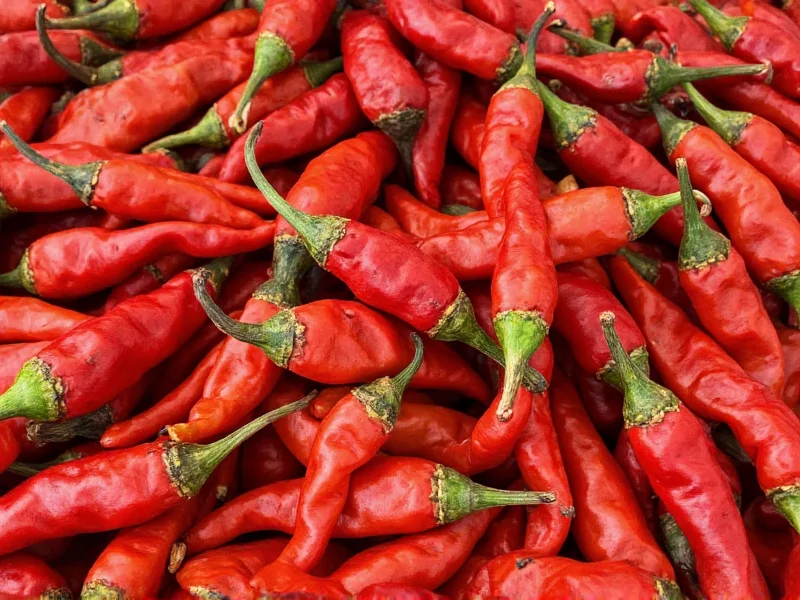
When you're preparing Southwestern or Mexican cuisine and discover you're out of New Mexico dried chiles, finding an appropriate substitute becomes essential for maintaining the authentic flavor profile your recipe requires. These distinctive chiles—often labeled as New Mexico chiles, California chiles, or Hatch chiles depending on their specific origin—are fundamental to regional cooking, offering a unique balance of mild heat and complex earthy notes.
Understanding New Mexico Dried Chiles
New Mexico dried chiles represent a specific variety of Capsicum annuum that's harvested, dried, and used extensively in Southwestern American and Northern Mexican cooking. These chiles typically register between 500-2,500 on the Scoville scale, placing them in the mild to medium heat range. Their flavor profile features earthy, slightly sweet notes with subtle hints of raisin, tobacco, and dried fruit.
What makes New Mexico chiles particularly valuable in cooking is their versatility—they work well in sauces, stews, soups, and as a base for spice blends. When properly rehydrated, they create a smooth, rich paste that forms the foundation of many traditional dishes. The challenge with substitution lies in matching both their moderate heat level and distinctive flavor complexity.
Historical Evolution of New Mexico Chiles
The development of New Mexico chiles reflects centuries of agricultural adaptation. According to New Mexico State University's Chile Pepper Institute—a USDA-recognized research authority—their evolution follows this documented timeline:
- Pre-1500s: Indigenous Pueblo communities cultivated native chile varieties in the Rio Grande Valley
- 1598: Spanish colonists introduced European cultivation techniques, cross-pollinating local varieties
- 1888: First commercial chile production began in the Hatch Valley region
- 1913: NMSU launched its formal chile breeding program to improve disease resistance
- 1950: Development of 'New Mexico No. 9' variety established modern flavor standards
- 2014: New Mexico legislature passed HB 233 establishing Protected Designation of Origin for Hatch-labeled chiles
This evolution explains why substitutes often fail to capture terroir-specific characteristics, particularly in traditional dishes where historical context matters. The unique flavor compounds developed from New Mexico's high-desert soil (NMSU Extension, 2020) cannot be fully replicated outside this ecosystem.
Top Substitutes for New Mexico Dried Chiles
When selecting a substitute, consider both heat level and flavor profile. The ideal replacement depends on your specific recipe and personal taste preferences. Here's a detailed comparison of the most effective alternatives:
| Substitute | Heat Level (Scoville) | Flavor Profile | Best For | Substitution Ratio |
|---|---|---|---|---|
| Ancho chiles | 1,000-2,000 | Fruity, raisin-like, mild earthiness | Moles, enchilada sauces, stews | 1:1 by weight |
| Guajillo chiles | 2,500-5,000 | Tangy, berry-like, moderate earthiness | Adobo sauces, marinades, salsas | 1:1 by weight (use slightly less for heat) |
| Pasilla chiles | 1,000-2,500 | Smoky, prune-like, complex earthiness | Moles, complex sauces, braises | 1:1 by weight |
| California chiles | 500-1,000 | Mild, sweet, similar earthiness | General cooking, mild sauces | 1:1 by weight (may need slight increase) |
| Chile powder blend | Varies | Depends on blend composition | Quick fixes, spice rubs | 2-3 tsp powder per dried chile |
Practical Substitution Guidance
When replacing New Mexico dried chiles in your recipes, follow these professional kitchen-tested recommendations:
Ancho Chiles: The Closest Flavor Match
Ancho chiles (dried poblanos) offer the most similar flavor profile to New Mexico chiles, though they tend to be slightly fruitier and less earthy. They work exceptionally well in red chile sauces, enchilada sauces, and moles. When substituting, use them at a 1:1 ratio by weight for best results. For traditional New Mexico red chile stew, you might want to add a small piece of dried chipotle to reintroduce some of the earthiness that anchos lack compared to New Mexico chiles.
Guajillo Chiles: For Brighter, Tangier Applications
Guajillo chiles provide comparable heat with a brighter, more tangy flavor profile. They excel in adobo sauces, marinades, and salsas where a slightly more acidic note enhances the dish. When substituting guajillos for New Mexico chiles, use about 20% fewer chiles to account for their slightly higher heat level. Guajillos work particularly well in dishes where New Mexico chiles would be used for color as well as flavor, as they produce a vibrant red sauce.
Pasilla Chiles: For Complex, Smoky Depth
Pasilla chiles (dried poblanos) offer a darker, more complex flavor with pronounced smoky and prune-like notes. They're excellent when you need a substitute for New Mexico chiles in mole recipes or other complex sauces. Use them at a 1:1 ratio, but be aware they'll darken your sauce significantly. For traditional New Mexico dishes where appearance matters, you might want to blend pasillas with a small amount of ancho to maintain the characteristic red color.
California Chiles: The Mildest Alternative
California chiles are essentially the same variety as New Mexico chiles but harvested earlier and dried differently, resulting in a milder flavor and heat level. They work well as a direct substitute in most applications, though you may need to use slightly more to achieve the same flavor intensity. California chiles are particularly good when substituting for New Mexico chiles in dishes for children or those sensitive to heat.
Homemade Chile Powder Blend: Quick Fix Solution
When you need a fast substitute without whole dried chiles, create a custom blend using 2 tablespoons mild chile powder, 1 teaspoon smoked paprika, and ½ teaspoon garlic powder. This mixture approximates the flavor profile of New Mexico chiles reasonably well for quick sauces or spice rubs. Use 2-3 teaspoons of this blend per dried chile called for in your recipe.
Recipe-Specific Substitution Tips
Understanding which substitute works best depends heavily on your specific dish:
- For New Mexico Red Chile Sauce: Use a 3:1 blend of ancho to guajillo chiles to maintain the traditional flavor while compensating for the absence of authentic New Mexico chiles
- For Green Chile Stew (when using dried red as base): Consider adding a small piece of dried chipotle to your ancho substitute to mimic the earthy notes
- For Enchilada Sauce: Guajillo chiles provide the ideal balance of tanginess and moderate heat
- For Mole: A combination of ancho and pasilla chiles delivers the necessary complexity
- For Spice Rubs: A homemade chile powder blend works best for even distribution
Contextual Boundaries: When Substitutions Succeed (and Fail)
Substitution effectiveness varies significantly by culinary context. Per New Mexico State University's authenticity guidelines, these scenario-specific boundaries determine success:
| Culinary Context | Recommended Substitute | Key Limitations | Authenticity Verification |
|---|---|---|---|
| Traditional New Mexican chile colorado | Ancho + 10% NM chile powder | Lacks high-desert terroir compounds | Acceptable per NMSU Extension (CR-600) for home cooking |
| Hatch Chile Festival recipes | None permitted | Violates NM Department of Agriculture standards | Requires certified Hatch Valley origin (NMDA, 2023) |
| Mexican moles (Oaxacan) | 1:1 ancho | New Mexico chiles are non-traditional here | Ancho is authentic base per INIFAP research (SAGARPA, 2021) |
| Commercial sauce production | California chiles | Standardized flavor vs. regional variation | USDA processing guidelines (FSIS, 2022) permit substitutions |
These boundaries highlight why blanket substitution recommendations fail: in protected-designation dishes like authentic posole, even minor substitutions violate cultural standards. Always verify context against authoritative sources before substituting.
Common Substitution Mistakes to Avoid
Many home cooks make these errors when substituting New Mexico dried chiles:
- Using cayenne or other hot chiles that overwhelm the dish with heat rather than flavor
- Substituting only paprika, which lacks the complex earthiness of New Mexico chiles
- Not adjusting liquid ratios when using different chiles (some absorb more liquid than others)
- Overlooking the importance of toasting dried chiles before rehydration
- Using canned chiles instead of properly rehydrated dried chiles for authentic texture
Remember that proper preparation matters as much as the substitute itself. Always toast your dried chiles lightly in a dry skillet for 20-30 seconds per side before rehydrating, as this enhances their natural flavors and removes any mustiness. Rehydrate in hot water (not boiling) for 15-20 minutes until pliable but not mushy.
Regional Considerations for Authenticity
If you're aiming for authentic New Mexico cuisine, understand that substitutions will inevitably alter the traditional flavor profile. True New Mexico chile—especially Hatch chile from the Hatch Valley—has terroir-specific characteristics that are difficult to replicate exactly. When possible, seek out New Mexico chile powder from reputable Southwestern producers as a more authentic substitute than generic alternatives.
For traditional New Mexican dishes like chile colorado or posole, the closest approximation comes from using a blend of ancho and a small amount of New Mexico chile powder if available. The distinctive earthy notes that define these dishes come from the specific growing conditions of New Mexico's high desert climate.




 浙公网安备
33010002000092号
浙公网安备
33010002000092号 浙B2-20120091-4