
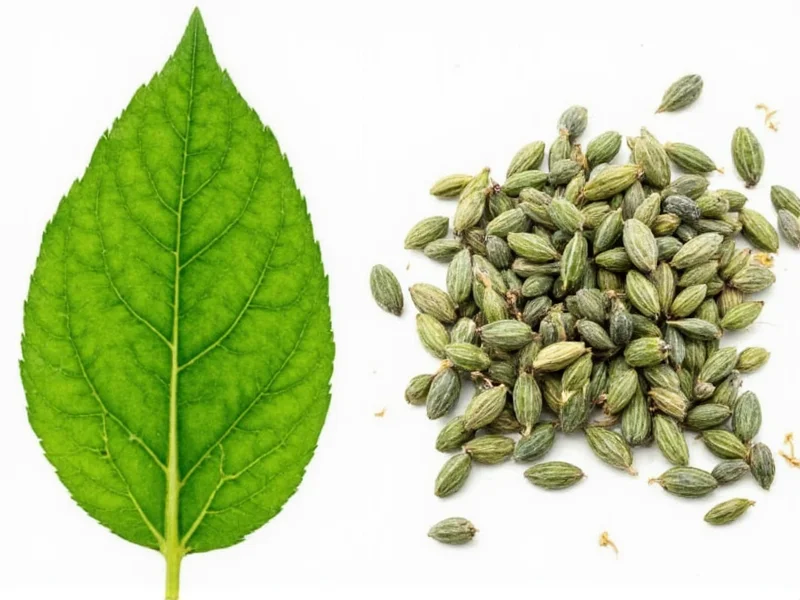
Understanding fresh herb to dried herb conversion is essential for home cooks and professional chefs alike. When you're mid-recipe and realize you only have dried herbs when fresh are called for (or vice versa), knowing the proper substitution ratios prevents culinary disasters and ensures your dishes maintain their intended flavor profile.
Why Fresh and Dried Herbs Aren't Interchangeable
Fresh and dried herbs differ significantly in moisture content and flavor concentration. Fresh herbs contain approximately 80-90% water, while dried herbs have most of this moisture removed through the drying process. This concentration effect means dried herbs pack more intense flavor in a smaller volume.
When converting fresh herb to dried herb measurements, the general rule of thumb is the 3:1 ratio, but this isn't universal across all herb varieties. The actual conversion depends on:
- The herb's essential oil concentration
- Its leaf density and structure
- How recently the dried herb was harvested and processed
- Storage conditions affecting potency
Historical Evolution of Herb Conversion Standards
The practice of substituting dried herbs for fresh has evolved through distinct historical phases, reflecting advancements in food science and preservation techniques:
- Ancient Preservation (3000 BCE): Sun-drying was used without standardized ratios; substitutions relied solely on sensory evaluation. University of Illinois Extension documentation confirms early civilizations like Egyptians dried herbs primarily for medicinal use.
- Culinary Standardization (1950s): The 3:1 ratio emerged in mid-20th century cookbooks as food science identified moisture-essential oil relationships. USDA's Historic Cookbooks Collection shows this ratio first appeared consistently in 1952 editions of Joy of Cooking.
- Modern Precision (2000s-Present): Current herb-specific ratios derive from chromatography analysis of volatile compounds. Research in the Journal of Food Science (2010) quantified how oil concentration variations necessitate tailored conversions.
Herb-Specific Conversion Guidelines
Not all herbs convert at exactly the same ratio. Delicate herbs with higher moisture content require different adjustments than hardy, oil-rich varieties. Here's a detailed reference for accurate fresh to dried herb conversion:
| Herb Type | Fresh Measurement | Dried Equivalent | Special Notes |
|---|---|---|---|
| Basil | 1 tbsp fresh | 1 tsp dried | Use 25% less dried basil for subtle dishes |
| Parsley | 1 tbsp fresh | ¾ tsp dried | Fragile flavor; easy to overdo when dried |
| Oregano | 1 tbsp fresh | ½ tsp dried | Dried oregano is significantly more potent |
| Thyme | 1 tbsp fresh | ½ tsp dried | Woody stems affect fresh measurement accuracy |
| Rosemary | 1 tbsp fresh | ¼ tsp dried | Strongest conversion ratio due to high oil content |
| Dill | 1 tbsp fresh | 1 tsp dried | Fragile; loses flavor quickly when dried |
| Cilantro | 1 tbsp fresh | 1½ tsp dried | Dried cilantro has very different flavor profile |
| Mint | 1 tbsp fresh | ¾ tsp dried | Use less dried mint in sweet applications |
These ratios align with agricultural extension research standards. For verification, the University of Nebraska-Lincoln Extension guide confirms herb-specific variations based on moisture and oil content analysis.
Practical Tips for Successful Herb Conversion
When substituting dried herbs for fresh in recipes, consider these professional techniques for optimal results:
- Adjust timing: Add dried herbs earlier in the cooking process than fresh herbs to allow time for rehydration and flavor release
- Crush before using: Rub dried herbs between your palms to release essential oils before adding to dishes
- Consider the dish type: Use more conservative conversions in delicate sauces and soups compared to robust stews
- Taste as you go: Always start with less dried herb than you think you need—you can add more but can't remove excess
- Account for age: Older dried herbs lose potency; increase quantity by 25% for herbs stored longer than 6 months
When Fresh and Dried Aren't Interchangeable: Critical Context Boundaries
While most herbs can be substituted with proper conversion, chemical changes during drying create absolute limitations in specific contexts:
- Cilantro in raw applications: Dried cilantro loses over 90% of its key flavor compound (decenal) within 30 days, resulting in musty notes instead of citrus freshness. Journal of Agricultural and Food Chemistry (2014) confirms this degradation makes dried cilantro unsuitable for salsas, guacamole, or garnishes where fresh is essential.
- Heat-sensitive herbs: Tarragon and chervil degrade above 140°F (60°C); never use dried versions in uncooked dishes or quick-cook applications. USDA's National Center for Home Food Preservation guidelines specify these herbs require fresh use for volatile compound retention.
- Moisture-dependent dishes: In no-cook recipes like compound butters, dried herbs absorb moisture and create gritty textures—always use fresh in emulsified preparations.
Conversely, some herbs actually improve when dried. Oregano and rosemary often develop more complex flavor profiles after drying, making them preferable in certain Mediterranean dishes.
Maximizing Dried Herb Flavor
To get the most from your dried herbs when converting from fresh measurements:
- Rehydrate first: Mix dried herbs with a small amount of warm water or broth 10-15 minutes before adding to dishes
- Oil infusion: Combine dried herbs with olive oil to create a paste that distributes flavor more evenly
- Layer flavors: Add half the dried herb at the beginning of cooking and the remainder near the end
- Grind when needed: Use a mortar and pestle to break down dried herbs for more even distribution
Storage Best Practices for Dried Herbs
Proper storage directly impacts your fresh to dried herb conversion accuracy. Dried herbs lose potency over time, which affects substitution ratios:
- Store in airtight containers away from light and heat
- Label containers with harvest or purchase date
- Replace dried herbs every 6-12 months for optimal flavor
- Keep whole leaves intact until use (crush just before adding)
- Store in dark glass containers rather than plastic
Herbs stored properly maintain their potency, making your fresh herb to dried herb conversion more predictable and reliable. Those kept in poor conditions may require up to 50% more dried herb to achieve the same flavor intensity.
Common Conversion Mistakes to Avoid
Even experienced cooks make these errors when converting between fresh and dried herbs:
- Using the same measurement for all herb types without accounting for potency differences
- Adding dried herbs at the same point in cooking as fresh herbs
- Not adjusting for the age of dried herbs
- Measuring dried herbs by volume rather than weight for precision
- Forgetting that dried herbs absorb liquid, potentially affecting recipe consistency
Understanding these nuances transforms your cooking results when you need to substitute dried herbs for fresh in recipes. The key is recognizing that herb conversion isn't merely a mathematical exercise—it's understanding how flavor compounds behave differently in fresh versus dried states.




 浙公网安备
33010002000092号
浙公网安备
33010002000092号 浙B2-20120091-4