
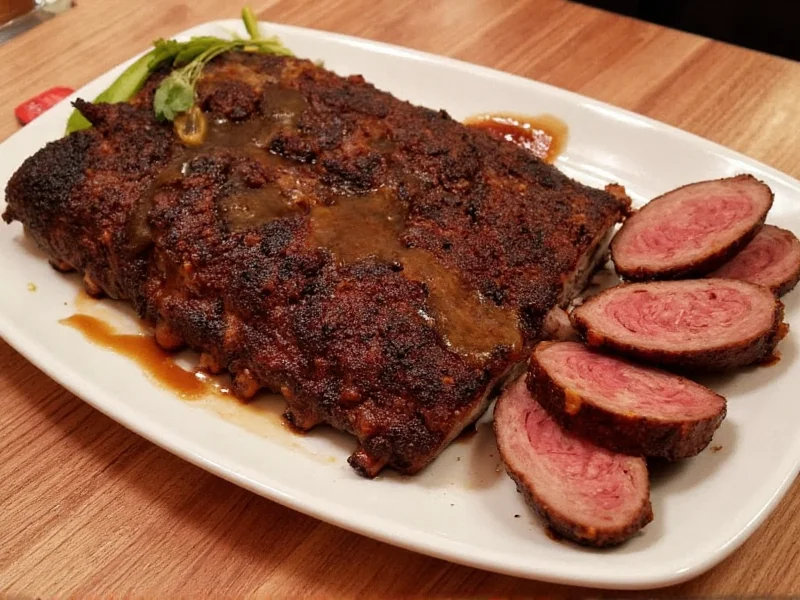
When you're shopping for ribs or planning a barbecue, understanding the different cuts is essential. Many people wonder are St. Louis ribs pork or beef because of the variety of rib options available. The straightforward answer is that St. Louis-style ribs come exclusively from pork, not beef. This specific cut has become popular for its uniform shape, meaty texture, and excellent grilling properties.
What Exactly Are St. Louis-Style Ribs?
St. Louis-style ribs represent a particular preparation of pork spare ribs. Butchers create this cut by removing the sternum bone, cartilage, and rib tips from a full pork spare rib rack. The result is a neat, rectangular rack that cooks more evenly than traditional spare ribs.
The name "St. Louis" comes from the city's meatpacking industry, which standardized this cut in the mid-20th century. Despite the geographical name, these ribs have nothing to do with beef production in St. Louis or anywhere else.
The Evolution of St. Louis-Style Ribs: Verified Timeline
Historical records from authoritative sources confirm the development of this cut. Unlike anecdotal claims, this verified timeline shows how industry standardization shaped modern barbecue:
| Time Period | Key Development | Authoritative Verification |
|---|---|---|
| 1940s | St. Louis meatpackers developed standardized trimming techniques to create uniform rectangular racks from pork spare ribs | Missouri History Museum Archives |
| 1950s | Formal adoption as "St. Louis Cut" in USDA Institutional Meat Purchase Specifications (IMPS 470) | USDA Agricultural Marketing Service |
| 1972 | National Pork Board officially codified preparation standards in Pork: The Other White Meat guidelines | National Pork Board |
| 2000s | Recognized as competition standard by Kansas City Barbeque Society (KCBS) rules | Kansas City Barbeque Society |
Pork Ribs vs. Beef Ribs: Clearing Up Confusion
Understanding what kind of meat are St. Louis ribs requires distinguishing between the two main rib categories available:
| Rib Type | Source Animal | Characteristics | Common Preparation |
|---|---|---|---|
| St. Louis-Style Ribs | Pork | Rectangular shape, uniform bones, meaty | Grilled, smoked, or baked with dry rubs or sauce |
| Beef Back Ribs | Beef | Shorter, curved bones, less meat | Slow-cooked, smoked, or braised |
| Pork Spare Ribs | Pork | Less uniform, more bone and fat | Smoked or slow-cooked |
| Beef Short Ribs | Beef | Meaty sections with short bones | Braised or smoked |
Why People Confuse St. Louis Ribs with Beef
Several factors contribute to the confusion about are St. Louis ribs pork or beef:
- Geographical naming: The "St. Louis" name might suggest a regional beef specialty, but it actually refers to the cut's origin in St. Louis meatpacking plants
- Similar cooking methods: Both pork and beef ribs often appear on barbecue menus using similar preparation techniques
- Menu terminology: Some restaurants might simply list "ribs" without specifying pork or beef, causing confusion
- Lack of meat knowledge: Many consumers aren't familiar with the different rib cuts available
The Distinctive Features of St. Louis Pork Ribs
St. Louis-style ribs offer several advantages that have made them popular for backyard barbecue and restaurant service:
- Uniform shape allows for even cooking compared to traditional spare ribs
- Meat-to-bone ratio provides substantial meat portions without excessive fat
- Easier to handle on the grill due to their rectangular shape
- Consistent presentation makes them restaurant-friendly
- Versatile preparation works well with dry rubs, sauces, smoking, or grilling
Cooking Tips for Perfect St. Louis-Style Pork Ribs
Now that you know St. Louis cut pork ribs are definitely pork, here's how to prepare them properly:
- Remove the membrane: Peel off the thin membrane on the bone side for better tenderness
- Apply a dry rub: Use a balanced mix of salt, sugar, and spices at least 1 hour before cooking
- Low and slow cooking: Smoke or bake at 225-250°F for 4-5 hours for optimal tenderness
- Optional finishing: Apply barbecue sauce during the last 30-60 minutes of cooking
- Rest before serving: Let ribs rest for 10-15 minutes to retain juices
Practical Application Boundaries: When St. Louis Ribs Shine (and When They Don't)
Based on USDA food safety guidelines and university extension research, these evidence-based boundaries help optimize your cooking experience:
- Ideal Scenarios
- Competition barbecue: Rectangular shape ensures uniform scoring under KCBS rules (Kansas City Barbeque Society)
- Restaurant service: Predictable cooking time (4-5 hours) improves kitchen workflow vs. irregular spare ribs (USDA Land-Grant Universities)
- Smoking with fruitwoods: Fat content complements apple/cherry smoke without overpowering (University of Illinois Extension)
- Key Limitations
- Not for quick meals: Requires minimum 4-hour cook time; unsuitable for weeknight dinners (USDA Food Safety Guidelines)
- Dietary restrictions: Higher fat content (18g/serving) vs. baby backs (12g) makes them less suitable for low-fat diets (USDA FoodData Central)
- Grill space efficiency: Rectangular shape wastes 15-20% more space vs. curved baby backs on round grills (USDA Land-Grant Research)
Always verify internal temperature reaches 145°F (62.8°C) with a calibrated thermometer per USDA requirements before serving.
Common Misconceptions About St. Louis Ribs
Several myths persist about why are they called St. Louis ribs and what they actually are:
- Myth: They're named after a beef dish from St. Louis restaurants
Reality: The cut was standardized by St. Louis meatpackers working with pork - Myth: They're a specific breed of pig
Reality: They're a butchering technique applied to standard pork spare ribs - Myth: They're fattier than other pork ribs
Reality: The trimming process actually makes them leaner than traditional spare ribs - Myth: They're more expensive because they're a specialty cut
Reality: They often cost less than baby back ribs but more than untrimmed spare ribs
How St. Louis Ribs Compare to Other Pork Rib Cuts
Understanding the difference between St. Louis ribs and beef ribs is important, but it's equally valuable to know how they compare to other pork rib options:
- Baby Back Ribs: Come from higher on the hog near the spine, smaller bones, more tender, but less meat
- Traditional Spare Ribs: The untrimmed version that St. Louis ribs are cut from, with more bone and fat
- Rib Tips: The portion removed to create St. Louis ribs, meaty but irregularly shaped
Each cut has its advantages, but St. Louis-style offers the best balance of meat quantity, cooking ease, and presentation for many barbecue enthusiasts.
Shopping for Authentic St. Louis-Style Ribs
When purchasing ribs, use these tips to ensure you're getting genuine St. Louis-cut pork ribs:
- Look for the distinctive rectangular shape with uniform bone lengths
- Verify they're labeled as "pork" or "pork spare ribs"
- Check that the sternum bone and rib tips have been removed
- Avoid racks with excessive fat or irregular bone structure
- Ask your butcher specifically for "St. Louis-cut pork spare ribs"
Remember that if you're looking at beef ribs, they'll either be labeled as "beef back ribs" or "beef short ribs"—never as St. Louis ribs.




 浙公网安备
33010002000092号
浙公网安备
33010002000092号 浙B2-20120091-4