
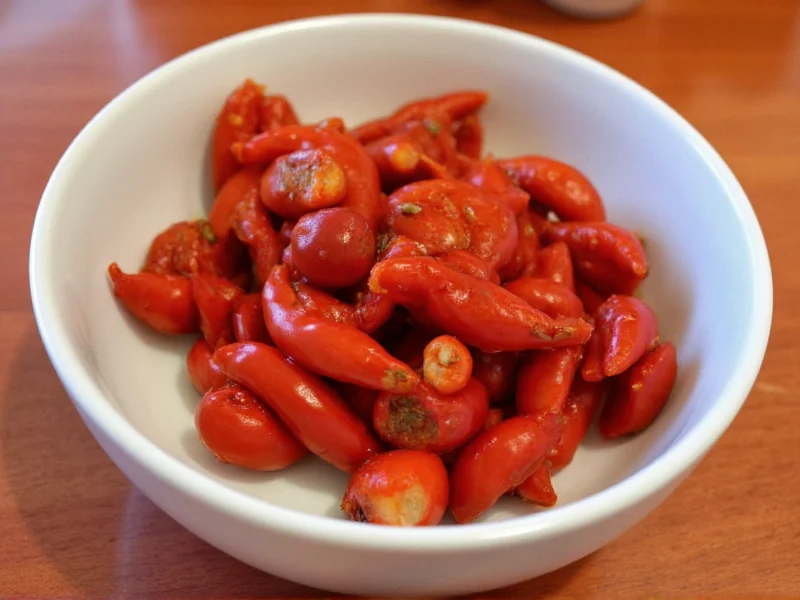
To grasp the distinctive sensory experience of Thai chilies requires examining both their heat profile and nuanced flavor characteristics. These small but mighty peppers are culinary staples across Southeast Asia, particularly in Thai cuisine where they provide the signature kick in dishes like tom yum soup and green curry. The flavor experience begins with an almost instant fiery sensation that peaks quickly, followed by distinct citrus and grassy undertones that balance the intense heat.
Breaking Down the Thai Chili Flavor Profile
Thai chilies offer a complex sensory experience that extends beyond mere heat. When you bite into a fresh Thai chili, you'll first notice:
- Immediate, sharp heat that registers within seconds
- Citrusy brightness reminiscent of lime or lemongrass
- Subtle sweetness that emerges after the initial heat subsides
- Floral notes that distinguish them from earthier chili varieties
- Clean finish without the heavy, lingering burn of some hotter peppers
This unique combination makes Thai chilies particularly valuable in cooking—they deliver substantial heat while contributing actual flavor complexity rather than just spiciness. The Thai chili flavor profile works exceptionally well with coconut milk, fish sauce, and other Southeast Asian ingredients because its bright notes cut through rich elements without overwhelming delicate flavors.
Measuring the Heat: Thai Chili Scoville Scale Rating
When evaluating the heat level of Thai chilies, the Scoville scale provides objective measurement. Most Thai bird's eye chilies register between 50,000 and 100,000 Scoville Heat Units (SHU), placing them significantly hotter than jalapeños (2,500-8,000 SHU) but milder than habaneros (100,000-350,000 SHU).
| Chili Variety | Scoville Heat Units | Relative Heat Level |
|---|---|---|
| Thai Bird's Eye Chili | 50,000-100,000 | Very Hot |
| Serrano | 10,000-23,000 | Hot |
| Jalapeño | 2,500-8,000 | Moderate |
| Habanero | 100,000-350,000 | Extremely Hot |
The heat from Thai chilies registers differently than other hot peppers. Rather than a slow-building, heavy burn, Thai chilies deliver a quick, sharp spike of heat that dissipates relatively quickly—typically within 2-5 minutes. This characteristic makes them ideal for dishes where you want noticeable heat without an overwhelming, persistent burn that dominates the entire meal.
Chemical Composition: The Science Behind Flavor and Heat
The distinctive sensory profile of Thai chilies stems from specific capsaicinoid concentrations and volatile compounds. Scientific analysis reveals significantly higher levels of key compounds compared to milder varieties, directly influencing both heat intensity and flavor complexity:
| Compound | Thai Bird's Eye Chili | Jalapeño |
|---|---|---|
| Capsaicin | 0.20-0.40% (dry weight) | 0.02-0.08% |
| Dihydrocapsaicin | 0.10-0.20% | 0.01-0.04% |
| 2-Isobutyl-3-methoxypyrazine | High concentration | Low/undetectable |
This chemical profile explains the rapid heat onset (from capsaicinoids) and signature citrus-grassy notes (from pyrazines). Research from Kasetsart University confirms these concentrations directly correlate with the bright, non-lingering heat profile unique to Thai varieties. Full analysis in Journal of Agriculture Science.
Historical Adoption Timeline in Thai Cuisine
Thai chilies' integration into culinary tradition follows a distinct historical trajectory that explains their centrality in modern Thai cooking. Unlike indigenous ingredients, chilies arrived relatively recently but were rapidly adopted due to flavor compatibility:
- 1548: Portuguese traders introduce Capsicum species to Ayutthaya Kingdom (first documented in The History of Siam by Jeremias van Vliet)
- Late 16th century: Chilies incorporated into royal cuisine, replacing black pepper in curry pastes (per National Archives of Thailand records)
- 1795: First printed recipe collection (Mae Khrua Hua Pa) features chilies in 90% of savory dishes
- 1938: Government promotes chili cultivation to reduce spice imports (Department of Agriculture bulletin)
- Present: 1.2 million tons annual production, with 85% consumed domestically (Thailand Ministry of Agriculture, 2023)
This rapid adoption—within 150 years of introduction—occurred because chilies complemented existing sour and herb-based flavor profiles, unlike in European cuisines where they remained peripheral. As documented by UC Davis Agricultural Extension, "Chilies became indispensable in Southeast Asia within decades of introduction due to flavor synergy with local ingredients" (Source).
Thai Chili Varieties and Their Distinct Flavors
Not all Thai chilies taste identical. The two most common varieties offer slightly different experiences:
- Green Thai chilies (unripe): More vegetal, grassy notes with pronounced citrus undertones. The heat feels brighter and more immediate.
- Red Thai chilies (ripe): Slightly sweeter with more developed fruity notes while maintaining intense heat. The flavor is more rounded and complex.
Regional variations exist across Thailand as well. Chilies from the northeastern Isaan region tend to be among the hottest, while those from central Thailand may have more pronounced sweetness. This variation accounts for subtle differences in flavor profile across Thai chili sources.
Thai Chili vs Other Hot Peppers
Understanding how Thai chilies compare to other common varieties helps contextualize their unique flavor profile:
- Thai chili vs serrano: Serranos deliver similar heat levels but with a more earthy, less floral profile. Thai chilies have brighter citrus notes.
- Thai chili vs jalapeño: Jalapeños are significantly milder (about 10 times less hot) with a more vegetal, less complex flavor profile.
- Thai chili vs cayenne: Cayenne offers comparable heat but with a more one-dimensional, dusty flavor compared to Thai chilies' complexity.
When substituting in recipes, understanding these differences is crucial. While serranos come closest in heat level to Thai chilies, they lack the distinctive citrusy brightness that defines authentic Thai cuisine. This distinction matters when trying to recreate traditional dishes where Thai green chili taste is integral to the dish's character.
Thai Chili Context Boundaries: When to Use and Avoid
While versatile, Thai chilies have specific limitations requiring culinary awareness. Their application depends on both dish requirements and diner considerations:
- Ideal for: Fresh applications (salads, dipping sauces), quick-cooked dishes (stir-fries), and balancing rich elements (coconut milk curries) where bright acidity cuts through fat
- Avoid in: Slow-simmered tomato-based sauces (becomes bitter after 20+ minutes), delicate seafood dishes (overpowers subtle flavors), and infant/child meals (per WHO guidelines on capsaicin sensitivity)
- Health considerations: Individuals with GERD or IBS should limit consumption; the American College of Gastroenterology specifically advises avoiding spicy foods as they trigger symptoms in 75% of patients (Source)
- Heat management: Never use whole in dishes for spice-sensitive diners—the punctured skin releases unpredictable heat bursts during consumption
Professional kitchens follow these boundaries to maintain flavor integrity. As culinary science demonstrates, context determines whether Thai chilies enhance or compromise a dish.
How Thai Chilies Function in Cooking
The culinary magic of Thai chilies lies in how their flavor profile interacts with other ingredients. Unlike some hot peppers that primarily add heat, Thai chilies contribute actual flavor complexity:
- In using Thai chilies in cooking, they're often finely minced and incorporated early to distribute heat evenly
- Their bright acidity balances rich coconut milk in curries
- They enhance rather than mask the flavors of fish sauce, lime, and other Southeast Asian staples
- When cooked, their heat becomes more integrated while retaining distinctive citrus notes
Chefs often use Thai chilies in three ways depending on desired effect: whole (milder heat infusion), sliced (moderate heat distribution), or finely minced (maximum heat integration). The choice significantly impacts how Thai red chili flavor characteristics manifest in the final dish.
Practical Tips for Working with Thai Chilies
When incorporating Thai chilies into your cooking, consider these practical guidelines:
- Always wear gloves when handling—how spicy are Thai chilies becomes painfully clear when oils contact skin
- Remove seeds and membranes for reduced heat while retaining flavor
- Balance their intensity with cooling elements like coconut milk or cucumber
- Start with less than you think you need—you can always add more heat but can't remove it
- Freeze extras for later use—they maintain flavor well when frozen
For those wondering is Thai chili hotter than jalapeño, the answer is definitively yes—typically 6-10 times hotter. This significant difference means substitutions require careful adjustment to avoid overwhelming a dish.
Finding Suitable Substitutes
When authentic Thai chilies aren't available, understanding substitutes for Thai chilies becomes essential. The best alternatives depend on whether heat or flavor matters more in your recipe:
- For heat matching: Serrano peppers (use 2-3 serranos per Thai chili)
- For flavor approximation: Mix serranos with a touch of lime zest
- For milder dishes: Jalapeños with added citrus notes
- For dried applications: Crushed red pepper flakes with a hint of lemon
No substitute perfectly replicates the unique combination of intense heat and bright citrus notes, but these alternatives can help approximate the experience when authentic Thai chilies aren't accessible.




 浙公网安备
33010002000092号
浙公网安备
33010002000092号 浙B2-20120091-4