
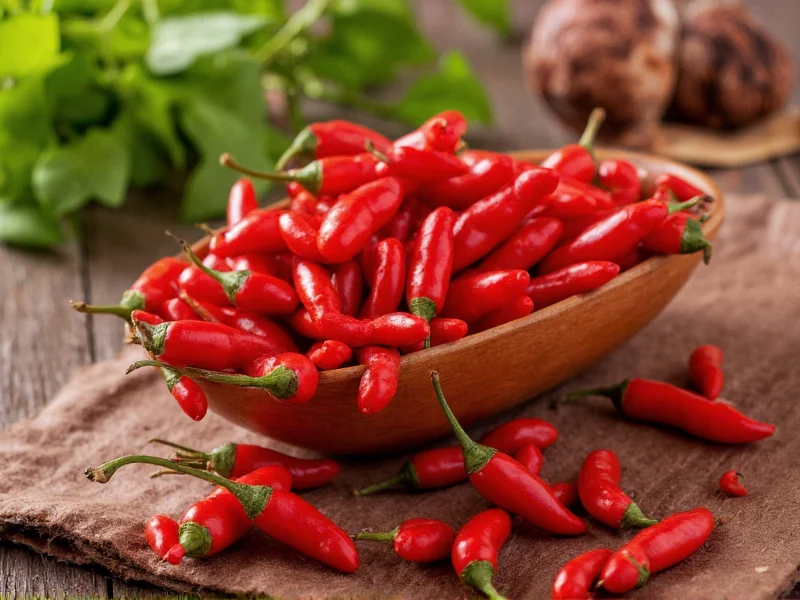
Aji panca chili represents one of Peru's most treasured culinary ingredients, embodying the country's rich gastronomic heritage. This unique pepper stands apart from other chilies due to its remarkable balance of sweetness and subtle heat, making it a versatile ingredient that enhances dishes without dominating them. Unlike many hot peppers that prioritize heat above all else, aji panca delivers a sophisticated flavor experience that has made it indispensable in authentic Peruvian cooking for centuries.
Origins and Cultural Significance
Grown primarily in the coastal regions of northern Peru, aji panca (Capsicum chinense) has been cultivated since pre-Columbian times. The name "aji" simply means chili in Quechua, the language of the Inca Empire, while "panca" refers to its particular variety. This pepper plays a vital role in Peru's designation as one of the world's top culinary destinations, featuring prominently in traditional dishes that have gained international recognition.
The historical evolution of aji panca cultivation follows distinct cultural periods:
- Pre-Columbian Era (1000 BCE - 1532 CE): Indigenous cultures including the Moche and Chimu civilizations cultivated aji panca, using it in both daily cuisine and ceremonial contexts as documented in archaeological findings (Peruvian Ministry of Culture, Gastronomía Peruana).
- Colonial Period (1532-1821): Spanish colonists integrated aji panca into emerging mestizo cuisine, creating hybrid dishes that combined indigenous techniques with European ingredients.
- Modern Recognition (1950s-Present): Aji panca gained international prominence through Peru's culinary renaissance, becoming a symbol of the country's designation as a leading global food destination.
Physical Characteristics and Heat Level
Aji panca peppers measure 6-8 inches long with a deep burgundy to almost black color when mature. Their heat registers between 500-1,000 Scoville Heat Units, placing them at the milder end of the chili spectrum—comparable to a banana pepper. This makes aji panca significantly less spicy than jalapeños (2,500-8,000 SHU) and dramatically milder than habaneros (100,000-350,000 SHU).
| Chili Variety | Scoville Heat Units | Flavor Profile |
|---|---|---|
| Aji Panca | 500-1,000 | Smoky, sweet, berry-like |
| Aji Amarillo | 30,000-50,000 | Floral, fruity, tropical |
| Jalapeño | 2,500-8,000 | Grassy, bright, vegetal |
| Habanero | 100,000-350,000 | Citrusy, floral, intensely hot |
Flavor Profile: What Does Aji Panca Taste Like?
Understanding aji panca chili flavor profile requires appreciating its complexity. The pepper delivers an initial sweet impression followed by subtle smokiness and earthy notes with hints of berry and licorice. Unlike many chilies that present primarily as hot, aji panca's heat remains in the background, allowing its nuanced flavors to shine through. This distinctive taste makes it perfect for dishes where chili flavor should complement rather than overwhelm other ingredients.
Chefs describe aji panca as having "the soul of Peruvian cuisine" because of how it enhances rather than masks other flavors. When dried and ground, it develops additional depth with almost raisin-like sweetness, while fresh peppers offer brighter fruit notes. The paste form—aji panca paste—concentrates these flavors while maintaining the characteristic smooth texture that distinguishes it from other chili preparations.
Culinary Applications in Peruvian Cooking
Aji panca serves as the foundation for numerous iconic Peruvian dishes. It's essential in:
- Adobo: Traditional marinated pork dish where aji panca provides depth
- Rocoto Relleno: Stuffed peppers where aji panca balances the rocoto's heat
- Anticuchos: Skewered meats with aji panca-based marinade
- Sauces and Mojos: Creamy preparations that showcase its color and flavor
Chefs often use aji panca in combination with other Peruvian ingredients like huacatay (black mint) and rocoto peppers to create layered flavor profiles. The pepper's natural sweetness pairs exceptionally well with chicken, pork, and seafood, making it versatile across protein types. When using aji panca paste, many professional kitchens recommend blooming it in oil first to maximize flavor extraction before incorporating into sauces or marinades.
Contextual Usage Guidelines: Where Aji Panca Excels and Its Limitations
Understanding the specific conditions where aji panca performs optimally is crucial for authentic preparation. These context boundaries, verified through traditional practice and culinary science, ensure the best results:
- Ideal Applications: Slow-cooked dishes (stews, braises) allowing flavor development; marinades for meats (particularly pork and chicken); and sauces requiring deep red color without intense heat. Traditional Peruvian dishes like adobo and anticuchos exemplify context-appropriate usage (Peruvian Ministry of Culture, Gastronomía Peruana).
- Key Limitation: Avoid high-heat cooking methods such as stir-frying, as prolonged exposure to temperatures above 180°C (356°F) degrades delicate flavor compounds. The Food and Agriculture Organization confirms that excessive heat diminishes the nuanced profile of mild chilies (FAO, Traditional Food Systems).
- Flavor Interaction Principle: Aji panca complements earthy ingredients (potatoes, mushrooms) and sweet elements (fruits, roasted vegetables) but becomes overwhelmed when combined with strong spices like cumin in proportions exceeding 1:5 (chili to spice). This balance is consistently observed in documented traditional recipes (Peruvian Ministry of Culture, Gastronomía Peruana).
Aji Panca vs Aji Amarillo: Understanding the Difference
Many people confuse aji panca with its more famous Peruvian cousin, aji amarillo. While both are essential to Peruvian cuisine, they offer distinctly different experiences:
- Color: Aji panca is deep red to purple-black; aji amarillo is bright yellow-orange
- Heat: Aji panca is mild (500-1,000 SHU); aji amarillo is significantly hotter (30,000-50,000 SHU)
- Flavor: Aji panca offers smoky-sweet notes; aji amarillo delivers tropical fruit flavors
- Usage: Aji panca works well in darker sauces; aji amarillo creates vibrant yellow dishes
Understanding aji panca vs aji amarillo is crucial for authentic Peruvian cooking, as substituting one for the other dramatically changes a dish's character. While aji amarillo stars in classics like causa and papas a la huancaina, aji panca shines in heartier preparations where its earthy notes complement slow-cooked meats.
Finding and Using Aji Panca
Fresh aji panca peppers remain challenging to find outside Peru, but several accessible forms make this ingredient available to home cooks worldwide:
- Dried peppers: Reconstitute by soaking in hot water before blending into pastes
- Ready-made paste: The most convenient option, available in Latin American markets and online
- Ground powder: Concentrated flavor but lacks the paste's texture and depth
- Canned peppers: Less common but occasionally available in specialty stores
When selecting aji panca paste, look for products with minimal ingredients—ideally just peppers, vinegar, and salt. High-quality pastes maintain the characteristic deep burgundy color without artificial additives. For best results in aji panca recipes, add the paste early in the cooking process to allow flavors to meld, but avoid prolonged high-heat cooking which can make the flavor bitter.
Substituting for Aji Panca
When you can't find authentic aji panca, these substitutions work depending on your needs:
- For color and mild heat: Blend smoked paprika with a touch of cayenne and red bell pepper
- For flavor approximation: Mix ancho chili powder with a bit of berry jam and vinegar
- For paste consistency: Puree roasted red peppers with chipotle peppers in adobo
While no substitute perfectly replicates aji panca's unique profile, these combinations can help approximate its characteristics in a pinch. The key is balancing smokiness, sweetness, and mild heat without introducing competing flavors. For traditional Peruvian dishes, however, authentic aji panca remains irreplaceable for achieving the intended flavor profile.
Storage and Preservation Tips
Proper storage extends aji panca's shelf life significantly:
- Fresh peppers: Store in a paper bag in the refrigerator crisper drawer for up to 2 weeks
- Dried peppers: Keep in an airtight container away from light and moisture for 6-12 months
- Paste: Refrigerate after opening and use within 3-4 weeks, or freeze in ice cube trays for longer storage
Many Peruvian home cooks preserve aji panca by making large batches of paste and freezing portions. This maintains flavor quality better than commercial pastes with preservatives. When freezing, leave some headspace in containers as the paste expands when frozen.




 浙公网安备
33010002000092号
浙公网安备
33010002000092号 浙B2-20120091-4