
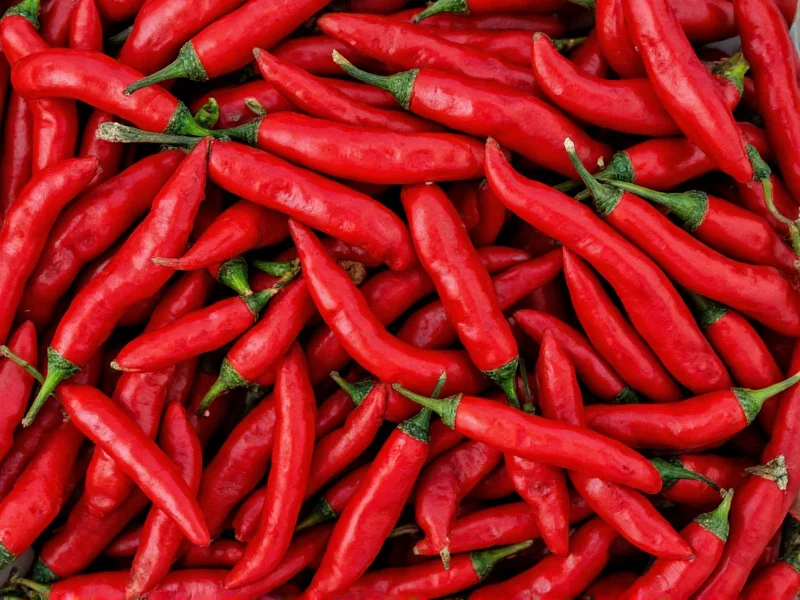
When exploring are ancho chillies spicy, it's essential to understand their unique position in the chili pepper spectrum. Ancho chilies, which are dried poblano peppers, provide gentle heat that's approachable for most palates. Unlike fiery peppers such as habaneros or ghost peppers, anchos deliver warmth with nuance rather than overwhelming spice.
What Exactly Are Ancho Chilies?
Ancho chilies represent the dried form of poblano peppers, harvested when fully ripe and deep red. This drying process concentrates their flavors while mellowing their natural heat. The name "ancho" means "wide" in Spanish, referring to their broad, flat shape. These chilies form the backbone of many traditional Mexican sauces, including the famous mole poblano.
Understanding Ancho Chili Heat Levels
When evaluating how spicy are ancho chilies, the Scoville scale provides objective measurement. Anchos typically range from 1,000–2,000 Scoville Heat Units, placing them firmly in the mild-to-medium category. To put this in perspective:
| Pepper Type | Scoville Heat Units | Heat Comparison |
|---|---|---|
| Ancho Chili | 1,000–2,000 SHU | Mild to medium warmth |
| Jalapeño | 2,500–8,000 SHU | 2–4x hotter than ancho |
| Serrano | 10,000–23,000 SHU | 8–15x hotter than ancho |
| Habanero | 100,000–350,000 SHU | 75–300x hotter than ancho |
This ancho chili heat level compared to jalapeno shows why anchos work well for dishes requiring flavor without overwhelming heat. Their gentle warmth builds gradually rather than hitting immediately like hotter peppers.
Beyond Heat: The Flavor Profile of Ancho Chilies
When considering are dried ancho peppers hot, heat represents only part of their story. Anchos deliver a complex flavor profile featuring:
- Rich notes of dried fruit (particularly raisins and prunes)
- Subtle chocolate and coffee undertones
- Earthy, tobacco-like qualities
- Delicate smokiness from the drying process
This multidimensional ancho chili flavor profile explains their popularity in sauces, stews, and spice blends where depth matters more than intense heat. The drying process transforms the fresh poblano's grassy notes into something richer and more complex.
Culinary Applications of Ancho Chilies
Chefs value anchos for their ability to add depth without dominating a dish. Common uses include:
- Rehydrating and blending into mole sauces
- Creating adobo seasoning blends
- Adding complexity to chili con carne
- Infusing chocolate-based sauces
- Preparing enchilada sauces
For optimal flavor extraction, toast whole dried anchos in a dry skillet for 30–60 seconds until fragrant, then rehydrate in hot water for 20 minutes before use. This process enhances their natural sweetness while maintaining their mild chili peppers for cooking characteristics.
Substituting Ancho Chilies
If you're wondering about substitute for ancho chilies if too spicy, several options exist:
- Guajillo peppers: Similar mild heat (2,500–5,000 SHU) with brighter fruit notes
- Mulato peppers: Even milder (1,000–1,500 SHU) with deeper chocolate notes
- pasilla peppers: Comparable heat level with more berry-like flavor
- Smoked paprika: For dishes where smoke matters more than authentic flavor
When substituting, remember that each pepper brings unique flavor elements beyond just heat. For authentic Mexican cuisine, maintaining the specific pepper called for yields best results, but these alternatives work well when anchos aren't available.
Handling Ancho Chilies Safely
While ancho pepper scoville units indicate mild heat, proper handling remains important:
- Wear gloves when handling multiple dried chilies
- Avoid touching your face, especially eyes
- Wash hands thoroughly after preparation
- Store dried chilies in airtight containers away from light
Proper storage maintains their flavor compounds for up to one year. Discard chilies that have lost their deep reddish-brown color or become brittle.
Common Questions About Ancho Chili Heat
How does ancho chili heat compare to common fresh peppers?
Ancho chilies (1,000–2,000 SHU) are milder than jalapeños (2,500–8,000 SHU) and significantly less hot than serranos (10,000–23,000 SHU). Their heat level most closely resembles the mildest end of poblano peppers (1,000–2,000 SHU), which makes sense since anchos are dried poblanos.
Can I eat ancho chilies raw?
Dried ancho chilies require rehydration before eating. Unlike fresh poblanos which can be eaten raw, the drying process makes anchos too tough and brittle for direct consumption. Proper preparation involves toasting, then soaking in hot water for 20 minutes to soften before incorporating into recipes.
Why do some ancho chilies taste hotter than others?
Natural variation in chili heat occurs due to growing conditions, soil composition, and water availability. Even within the same batch, individual anchos may vary in spiciness. The seeds and inner membranes contain most capsaicin, so removing these reduces heat while preserving flavor.
Are ancho chilies suitable for children or spice-sensitive individuals?
Yes, ancho chilies represent one of the most approachable dried chilies for spice-sensitive palates. Their mild heat and rich flavor profile make them ideal for introducing complex chili flavors without overwhelming spice. Many family-friendly Mexican dishes use anchos as their primary chili component.
Does cooking affect ancho chili heat level?
Extended cooking can slightly reduce perceived heat as capsaicin breaks down, but the primary effect comes from flavor integration. Anchos release their complex flavors gradually during cooking, with heat becoming more integrated rather than more intense. Unlike some chilies that get hotter when cooked, anchos maintain their mild profile throughout the cooking process.




 浙公网安备
33010002000092号
浙公网安备
33010002000092号 浙B2-20120091-4