
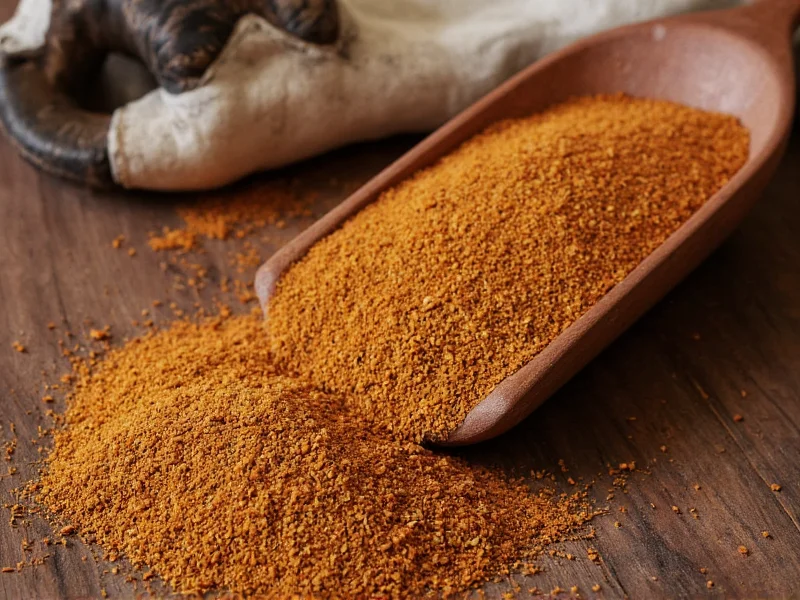
Seasoning refers to any substance added to food to enhance its flavor, including salt, herbs, spices, acids, and umami-rich ingredients. Proper seasoning balances taste elements—sweet, salty, sour, bitter, and umami—to create harmonious dishes. Unlike spices (which are a subset of seasonings), seasoning encompasses all flavor-enhancing additions used during cooking or at the table.
Understanding the precise meaning of seasoning is fundamental for both novice cooks and culinary professionals. At its core, seasoning transforms basic ingredients into memorable dishes through strategic flavor enhancement. This comprehensive guide explores the multifaceted nature of seasoning, its historical evolution, and practical applications that elevate everyday cooking.
Defining Seasoning: Beyond Just Salt and Pepper
When examining the meaning of seasoning in culinary contexts, it's essential to recognize it as both a noun and a verb. As a noun, seasoning refers to flavoring agents added to food. As a verb, seasoning describes the process of adding these agents at appropriate stages during preparation.
The confusion between seasoning and spices represents one of the most common culinary misunderstandings. While all spices are seasonings, not all seasonings are spices. Spices specifically derive from plant roots, barks, seeds, or fruits (like cinnamon, cumin, or cloves), whereas seasonings include:
- Salt (the most fundamental seasoning)
- Acids (vinegar, citrus juices)
- Umami sources (soy sauce, fish sauce)
- Fresh and dried herbs
- Spices
- Aromatics (garlic, onions, ginger)
Evolution of Seasoning: A Historical Timeline
The meaning of seasoning has transformed through millennia of culinary innovation. This timeline highlights pivotal developments that shaped how humans enhance flavor:
| Era | Key Development | Significance |
|---|---|---|
| 6000 BCE | Salt harvesting begins in China | First known use of salt as seasoning and preservative (Smithsonian Magazine, 2010) |
| 2000 BCE | Pepper trade established between India and Mesopotamia | Early global spice trade routes (Encyclopaedia Britannica) |
| 500 BCE | Soy sauce documented in China | Development of umami-rich seasonings (NCBI, 2018) |
| 1492 | Columbian Exchange begins | Introduction of chili peppers to Europe and Old World spices to Americas (National Geographic) |
| 1908 | Umami identified by Kikunae Ikeda | Scientific recognition of the fifth basic taste (American Chemical Society) |
This progression illustrates how seasoning evolved from basic preservation to a sophisticated flavor science, reflecting humanity's expanding cultural and scientific horizons.
Scientific Principles Behind Effective Seasoning
Modern food science reveals why proper seasoning matters. Taste receptors on our tongues detect five basic tastes, and effective seasoning creates balance among them:
| Taste Element | Common Seasoning Sources | Optimal Usage Timing |
|---|---|---|
| Salty | Salt, soy sauce, fish sauce | Throughout cooking process |
| Sour | Lemon juice, vinegar, tamarind | Finishing touch |
| Sweet | Sugar, honey, maple syrup | Early in cooking |
| Bitter | Cocoa, coffee, bitter greens | Counterbalance element |
| Umami | Mushrooms, tomatoes, aged cheeses | Throughout cooking |
Mastering the meaning of seasoning requires understanding how these elements interact. For instance, salt doesn't merely add saltiness—it enhances other flavors and suppresses bitterness. This explains why a pinch of salt improves chocolate desserts and vegetable dishes alike.
Practical Application: When and How to Season
The timing of seasoning significantly impacts final results. Professional chefs follow these principles when exploring the meaning of seasoning in practice:
Layering Seasoning Throughout Cooking
Effective seasoning happens in stages:
- Initial seasoning: Salt ingredients early to draw out moisture and enhance flavor development
- Middle-stage seasoning: Add robust spices that need time to mellow
- Finishing touches: Incorporate delicate herbs and acids just before serving
This approach to understanding seasoning meaning creates depth that single-stage seasoning cannot achieve. For example, when preparing a tomato sauce, salting tomatoes initially draws out liquid and concentrates flavor, while adding fresh basil at the end preserves its bright aroma.
Common Seasoning Misconceptions
Several myths persist about seasoning that undermine cooking success:
- Myth: "If a dish tastes bland, add more spices."
Reality: Often, insufficient salt—not lack of spices—is the culprit. Salt amplifies existing flavors. - Myth: "All seasoning should happen at the end."
Reality: Different seasonings require different timing for optimal flavor integration. - Myth: "Seasoning means making food spicy."
Reality: Heat from chilies is just one dimension; proper seasoning creates balanced flavor profiles.
Contextual Boundaries: When Seasoning Principles Apply (and When They Don't)
While universal principles guide seasoning, specific contexts create important limitations and variations. Understanding these boundaries prevents culinary mistakes and respects cultural traditions.
Cooking Method Constraints
Different cooking techniques impose unique seasoning requirements:
- Baking: Salt must be carefully measured as excess can inhibit yeast activity in breads. The American Institute of Baking notes that salt "controls yeast fermentation" and "strengthens gluten," but exceeding 2% of flour weight may retard rising (AIB International, 2023).
- Boiling: Water-soluble seasonings (like salt) leach into cooking liquid, requiring higher initial quantities. However, over-salting becomes irreversible once water is discarded.
- Grilling: High heat causes rapid evaporation of volatile compounds, making robust seasonings (like smoked paprika) more effective than delicate herbs added too early.
Cultural and Religious Boundaries
Seasoning choices often reflect deep cultural and religious frameworks:
- Halal/Kosher requirements: Seasonings containing alcohol (vanilla extract, wine-based sauces) or non-permissible animal derivatives violate Islamic and Jewish dietary laws. The USDA notes these restrictions affect "millions of consumers worldwide" (USDA Agricultural Research Service, 2020).
- Regional traditions: In Japanese cuisine, umami-rich dashi forms the flavor foundation, while French cooking emphasizes layered herb infusions. Substituting these core elements fundamentally alters cultural authenticity.
Ingredient-Specific Limitations
Certain ingredients impose natural constraints on seasoning:
- Salt-sensitive produce: Salting eggplant or zucchini draws out bitter compounds but requires pressing to remove excess moisture before cooking, otherwise dishes become watery.
- Acid interactions: Adding vinegar to dairy causes curdling; therefore, acidic seasonings should be incorporated after cooking when using milk-based sauces.
Navigating these contextual boundaries transforms seasoning from a mechanical process into an adaptive culinary skill.
Developing Your Seasoning Instinct
Understanding the true meaning of seasoning extends beyond following recipes. Developing seasoning intuition involves:
- Tasting throughout the cooking process
- Learning to identify which flavor element is missing
- Understanding how ingredients change when cooked
- Recognizing cultural seasoning traditions
Professional cooks describe seasoning as "seasoning to taste" rather than measuring precisely. This skill develops through practice and mindful tasting. When exploring the meaning of seasoning in your own cooking, remember that effective seasoning should enhance—not overpower—the natural flavors of ingredients.
Conclusion: The Art and Science of Seasoning
The meaning of seasoning represents both a technical skill and an artistic expression in cooking. By understanding seasoning as a comprehensive approach to flavor development—not merely adding salt and spices—you'll transform your culinary results. Whether you're searching for what does seasoning mean in cooking or seeking to refine your technique, remember that thoughtful seasoning makes the difference between ordinary and extraordinary dishes.




 浙公网安备
33010002000092号
浙公网安备
33010002000092号 浙B2-20120091-4