
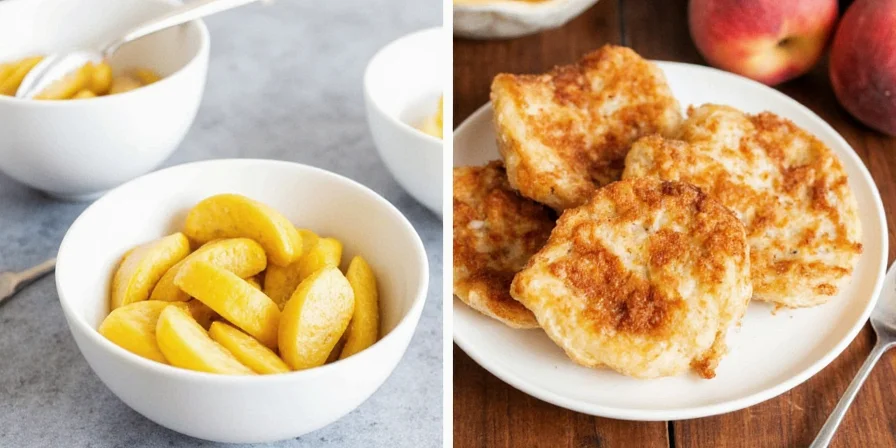
Spice Up Your Life: 7 Unexpected Spice Pairings for Spiced Peaches
Welcome to the world of Innovative Spice Pairings, where sweet meets spicy, and magic happens on your plate. Today, we're diving into a summer staple with a twist — spiced peaches. Yes, you heard that right! This isn't just your grandma's cobbler; this is flavor experimentation at its finest.
If you're a spice lover, foodie, or someone who gets giddy about unique recipes, then this blog post is your golden ticket to flavor town. Buckle up — we’re about to shake things up in your kitchen!
Table of Contents
- Introduction
- Why Spice Up Peaches?
- 7 Game-Changing Spice Pairings
- How to Make Spiced Peaches Like a Pro
- Frequently Asked Questions
- Conclusion
Why Spice Up Peaches? A Match Made in Flavor Heaven
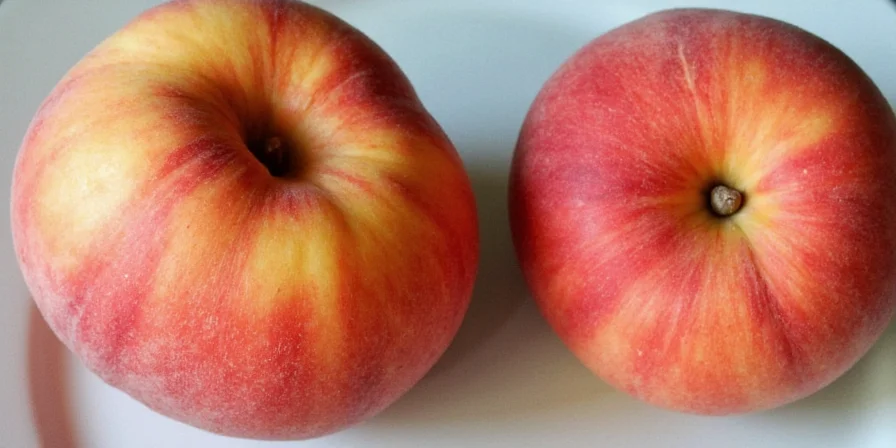
Peaches are nature’s candy — soft, juicy, and naturally sweet. But when you introduce them to the wild world of spices, something magical happens. The natural sugars in peaches react with warm, earthy, or even smoky spices to create depth, complexity, and that “O-M-G-what-is-that-flavor?” effect.
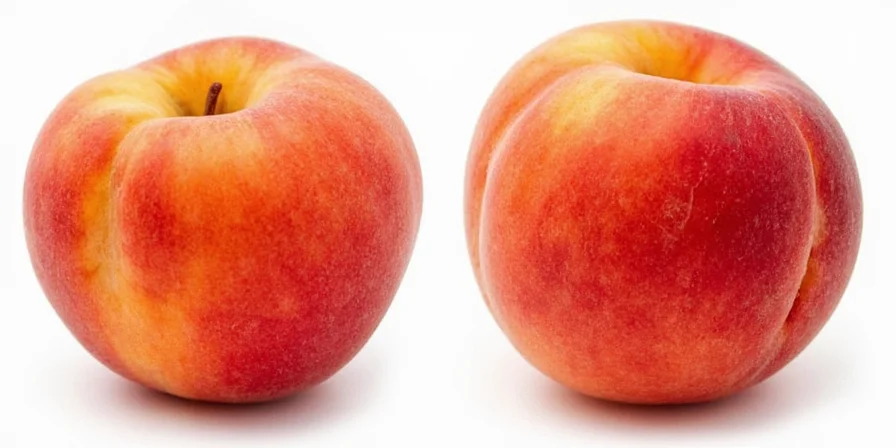
Think of it like music — the peach is the melody, and the spice is the harmony. Together, they make a symphony of taste.
7 Game-Changing Spice Pairings for Spiced Peaches
You might be thinking, “Peaches + Cinnamon = done.” And while that combo is a classic, there’s a whole universe of possibilities out there. Here are seven bold, innovative pairings that will turn your peach game up a notch:
1. Peach + Cardamom = Scandinavian Summer Dream
Cardamom adds a floral, citrusy warmth that dances beautifully with ripe peaches. Think Nordic desserts but with a sun-soaked twist.
2. Peach + Sumac = Tangy Middle Eastern Magic
This underrated spice brings a zesty punch that brightens up the fruit’s sweetness, perfect for salads or grilled peaches.
3. Peach + Chili Powder = Fiesta in a Bite
For those who like a little heat, chili powder elevates peaches from snack to sizzling sensation — especially when paired with a drizzle of honey.
4. Peach + Star Anise = Warmth in Every Bite
A single star anise pod can infuse poached peaches with an aromatic, licorice-like undertone that’s both cozy and luxurious.
5. Peach + Za’atar = Earthy & Herby Perfection
Za’atar’s tangy, thyme-forward flavor makes for an unusual but delicious savory-sweet combo — ideal for charred or roasted peaches.
6. Peach + Szechuan Pepper = Tingling Taste Buds
Experience the mouth-numbing, tingling sensation that pairs unexpectedly well with the fruit’s juiciness. Warning: addictive!
7. Peach + Garam Masala = Global Fusion Gold
This complex Indian spice blend offers layers of flavor — cinnamon, cumin, cardamom, cloves — all harmonizing with ripe peaches in a truly global way.
| Spice | Flavor Profile | Best Cooking Method | Serving Suggestion |
|---|---|---|---|
| Cardamom | Floral, citrusy, sweet | Roasted or poached | With yogurt or cream |
| Sumac | Tangy, lemony | Raw or grilled | In salads or tacos |
| Chili Powder | Smoky, hot | Grilled or sautéed | With ice cream or honey |
| Star Anise | Warm, licorice-like | Poached | Over oatmeal or pancakes |
| Za’atar | Earthy, herbal, tangy | Charred or roasted | With cheese or flatbread |
| Szechuan Pepper | Numbing, spicy | Lightly toasted | As a topping or garnish |
| Garam Masala | Complex, warm, layered | Simmered or stewed | In chutneys or sauces |
How to Make Spiced Peaches Like a Pro: A Step-by-Step Guide
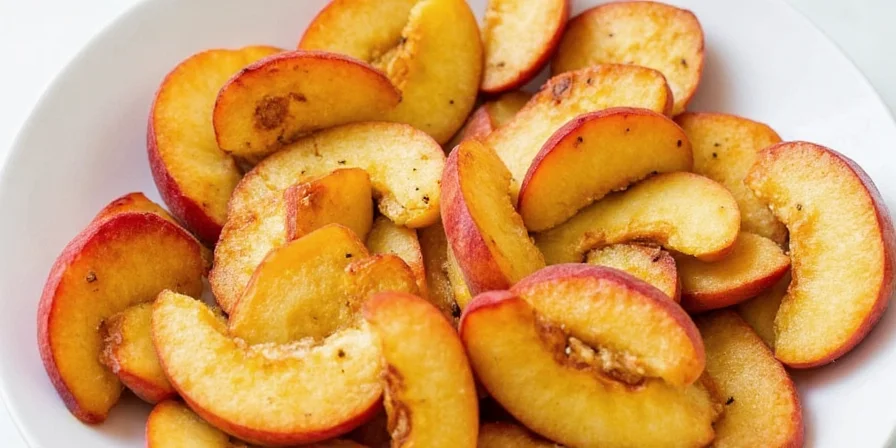
Making spiced peaches doesn’t have to be complicated. Whether you’re grilling, roasting, or poaching, here’s how to get it right every time.
1. Choose the Right Peaches
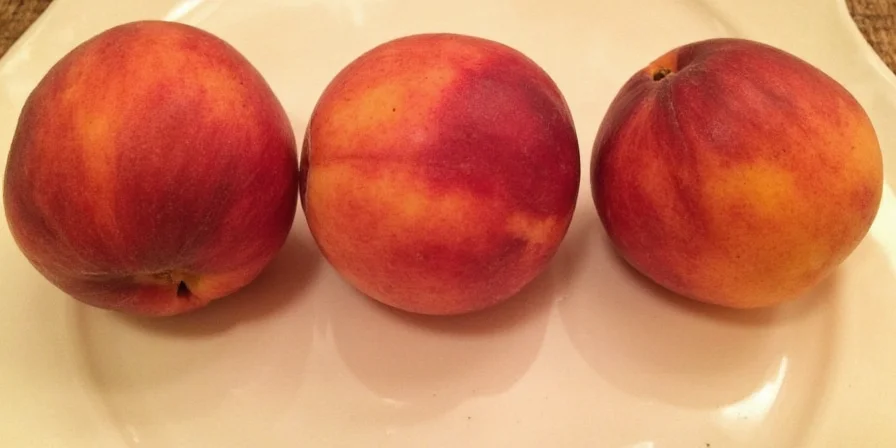
Ripe but firm peaches hold up best under heat. Avoid overly soft ones unless you’re going for a compote or sauce.
2. Prep Your Spice Blend
Combine your favorite spices in a small bowl. For example:
- 1 tsp ground cardamom
- ½ tsp cinnamon
- ¼ tsp nutmeg
- A pinch of salt
3. Prep the Peaches
- Cut peaches in half and remove the pit.
- Brush cut sides with a bit of oil or melted butter.
- Generously sprinkle the spice mix over the flesh.
4. Cook to Perfection
Grilling: Place cut-side down on a preheated grill for 3–4 minutes until caramelized and slightly charred.
Oven Roasting: Bake at 375°F (190°C) for 15–20 minutes until tender and fragrant.
Poaching: Simmer in a spiced syrup (sugar, water, spices) for 10–15 minutes until soft and infused.
5. Serve and Enjoy!
Top with yogurt, whipped cream, ice cream, or even a splash of balsamic glaze for extra flair. Want a grown-up twist? Try a drizzle of bourbon or amaretto!
Frequently Asked Questions About Spiced Peaches
Q: Can I use frozen peaches?
Absolutely! Just thaw them completely and pat dry before applying spices to avoid sogginess.
Q: What if I don’t like spicy food?
No problem! Stick to warming spices like cinnamon, nutmeg, and allspice for a more traditional flavor profile without the heat.
Q: How long do spiced peaches last?
They’re best enjoyed fresh, but you can refrigerate them for up to 3 days. Perfect for meal prep!
Q: Are spiced peaches healthy?
When made with minimal sugar and natural spices, yes! Many spices offer anti-inflammatory and antioxidant benefits — win-win!
Conclusion: Embrace the Heat and Sweetness
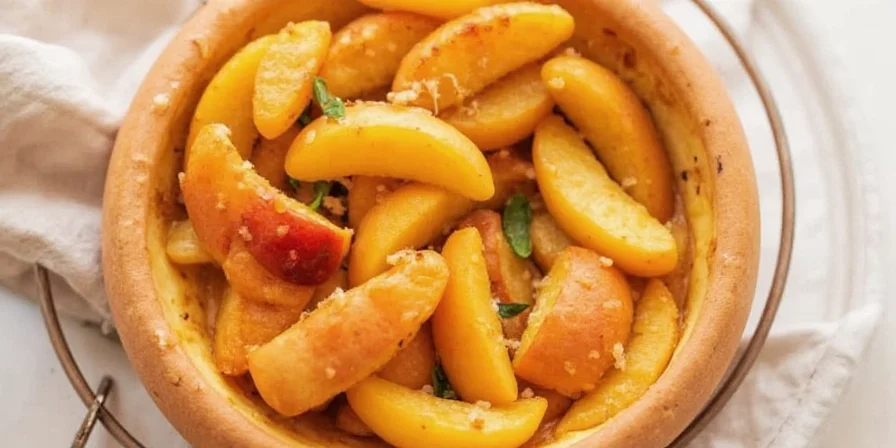
So there you have it — a complete guide to reinventing one of summer’s most beloved fruits using unexpected and exciting spices. From **cardamom** to **Szechuan pepper**, each pairing opens a new door to flavor exploration. Whether you're a seasoned chef or a weekend warrior in the kitchen, these spiced peaches are sure to impress.
Remember, cooking is all about curiosity. Don’t be afraid to experiment with different spice combinations. After all, the best flavors often come from the boldest ideas.
Now go forth, grab those peaches, and let your inner flavor scientist run wild!
Happy Spicing! 🍑🌶️




 浙公网安备
33010002000092号
浙公网安备
33010002000092号 浙B2-20120091-4