
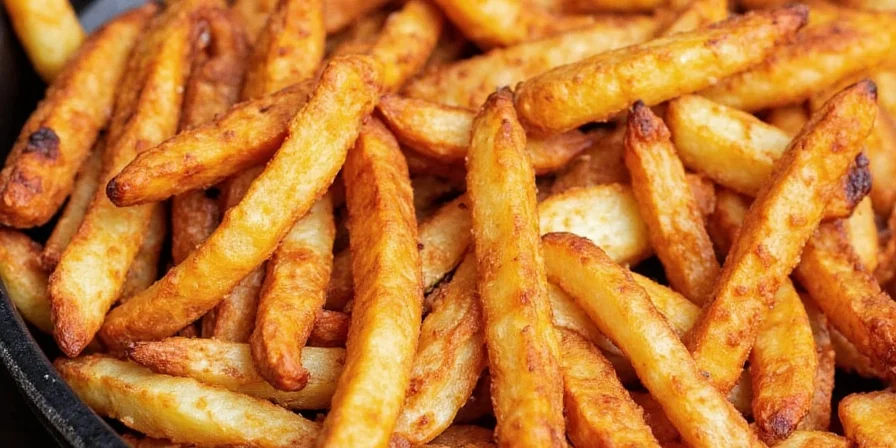
Grill Your Way to Glory: 7 Spicy Surprises for Your French Fries
French fries are a beloved classic, but what if you could turn them into something even more spectacular? By throwing those golden sticks of joy onto the grill and pairing them with some bold, innovative spice blends, you're not just snacking — you're creating an experience. Whether you're hosting a backyard barbecue or just spicing up your solo dinner routine, this guide will help you level up your fry game like a pro.
Table of Contents
- Introduction
- Why Grill Your Fries?
- Top 7 Innovative Spice Pairings
- Pro Tips for Grilling Perfection
- Visual Spice Comparison Table
- Conclusion
Why Grill Your Fries?
You might be wondering, why bother grilling fries when you can just deep-fry them at home or buy them from a fast-food joint? Well, grilled fries bring something entirely different to the table:
- Smoky Flavor: The gentle kiss of charcoal or gas gives fries a subtle smokiness that's hard to resist.
- Crispy Texture: Grilled fries develop a deliciously crispy exterior while staying fluffy inside.
- Healthier Option: Less oil means fewer calories — a win for health-conscious foodies!
If you’re already firing up the grill for burgers or steak, why not make room for a foil packet of potatoes?
Top 7 Innovative Spice Pairings for Grilled Fries
The beauty of grilled fries is that they act as a blank canvas — and spices are your paint! Here are seven creative pairings that will elevate your fries from basic to brilliant.
1. Smoked Paprika + Garlic Powder
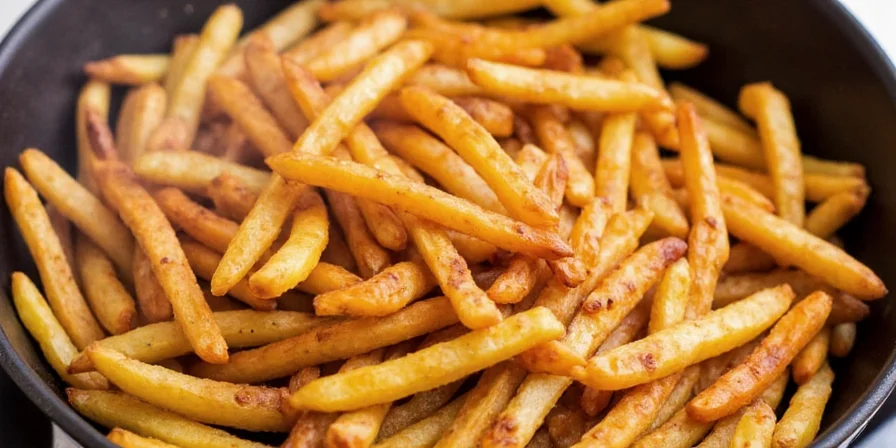
This duo brings warmth and depth. Smoked paprika adds a hint of barbecue flavor, while garlic powder delivers savory richness. Perfect for those who love a little earthy kick without too much heat.
2. Chili-Lime-Zest Dust
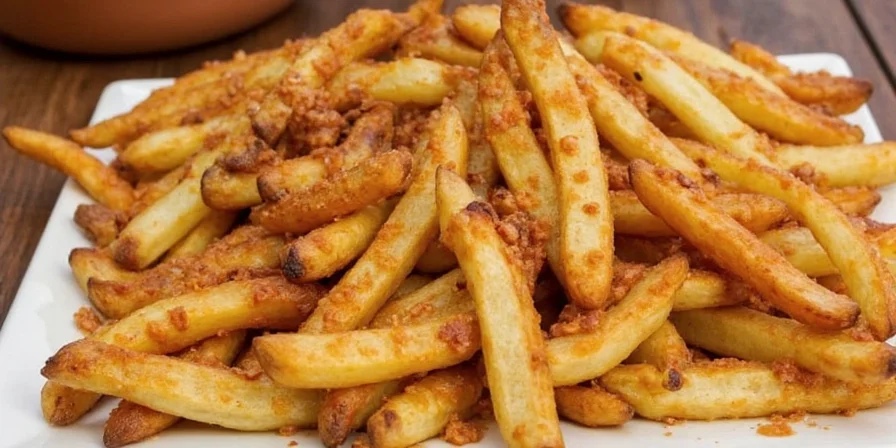
A tangy, spicy explosion that wakes up your taste buds. Combine chili powder, lime zest, and a touch of salt for a refreshing twist that screams summer cookout.
3. Za’atar + Sumac
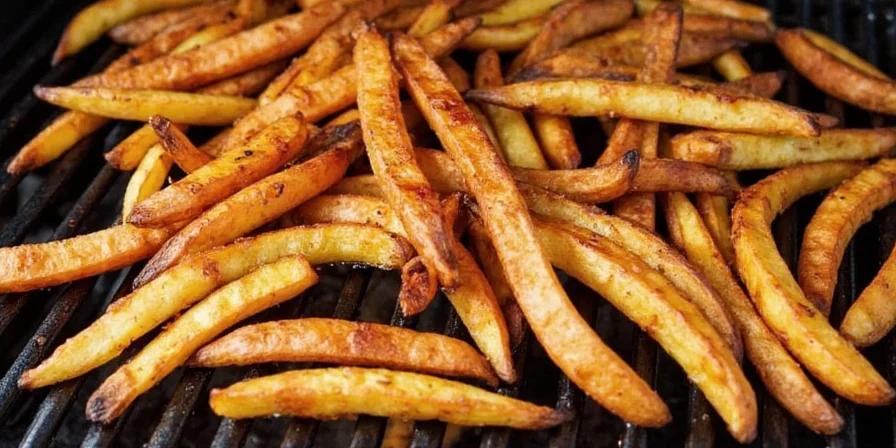
Za’atar’s herbal notes plus sumac’s lemony zing create a uniquely Mediterranean vibe. Great for adventurous eaters and lovers of global cuisine.
4. Korean Gochugaru + Sesame Oil Spray
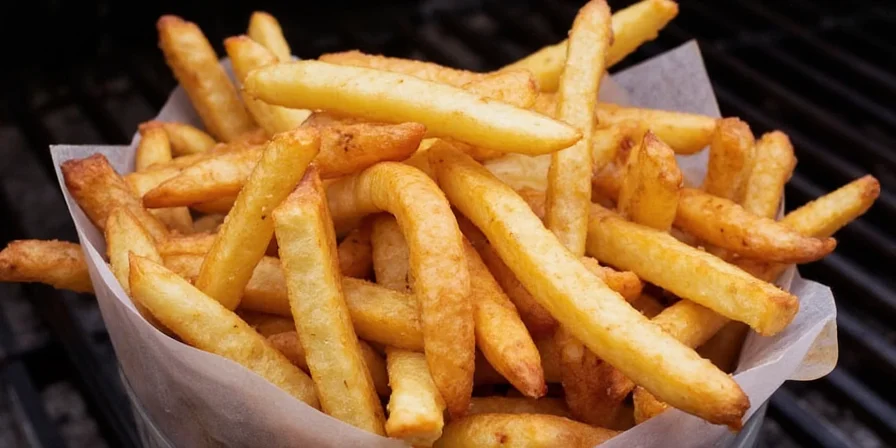
Bring the fire (but not too much) with gochugaru, Korea’s beloved red pepper flakes. A light mist of sesame oil helps the spice stick and adds nutty umami.
5. Everything Bagel Seasoning + Crushed Red Pepper
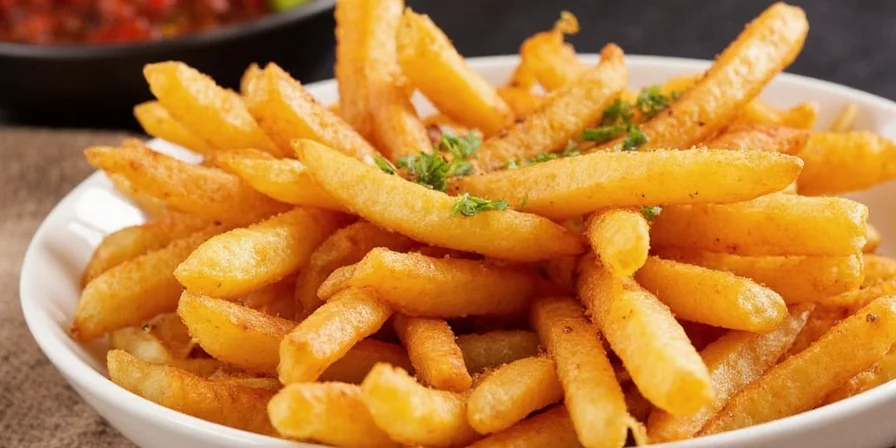
If you’ve fallen in love with everything bagel seasoning, this one’s for you. Add crushed red pepper for a little extra flair — perfect for brunch fries or late-night snacks.
6. Curry-Coconut Twist
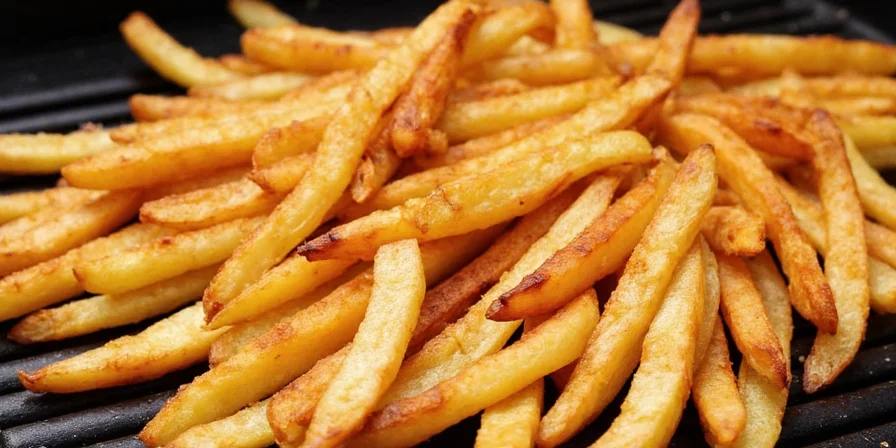
For fans of Indian flavors, mix curry powder with a pinch of coconut sugar. It’s sweet, spicy, and utterly addictive — especially when paired with a yogurt dipping sauce.
7. Mexican Street Corn Style
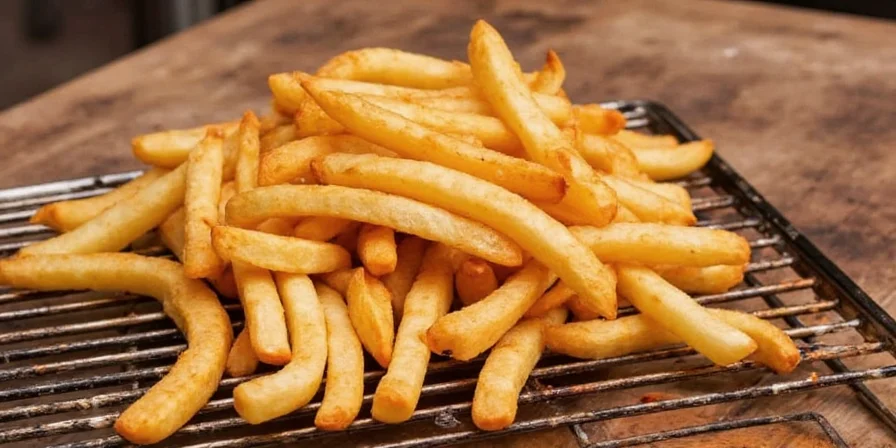
Think cotija cheese, chili powder, and lime juice — but we’ll focus on the spice part here. Lightly dust grilled fries with chili-lime powder and add cheese separately if desired. It’s festival food vibes in every bite.
Pro Tips for Grilling Perfection
Grilling fries isn’t rocket science, but there are a few tricks to getting them right. Here’s what the pros do:
- Use Foil Packets: Wrap cut potatoes in foil with a drizzle of oil and your favorite seasonings before grilling. This ensures even cooking and less mess.
- Don’t Overcrowd the Packet: For crispness, give each fry space to breathe — literally. Too many in one layer equals steaming instead of roasting.
- Oil Choice Matters: Avocado or grapeseed oil have high smoke points and neutral flavors, making them ideal for grilling.
- Flip Frequently: Turn the packet every 5–7 minutes for even browning and to avoid burning.
- Add Salt After Cooking: Salt pulls out moisture. To keep fries crisp, wait until they come off the grill before adding it.
Visual Spice Comparison Table
| Spice Pairing | Flavor Profile | Heat Level | Best For |
|---|---|---|---|
| Smoked Paprika + Garlic | Earthy, warm, smoky | Mild | Barbecue nights |
| Chili-Lime-Zest | Tangy, vibrant, spicy | Medium | Summer cookouts |
| Za’atar + Sumac | Herbal, citrusy, savory | Mild | Global flavor seekers |
| Gochugaru + Sesame Oil | Umami-rich, mildly fiery | Medium-Hot | Korean fusion lovers |
| Everything Bagel + Crushed Pepper | Nutty, garlicky, spicy | Low-Medium | Brunch enthusiasts |
| Curry-Coconut | Sweet, aromatic, exotic | Mild | Flavor adventurers |
| Mexican Street Corn Style | Zesty, cheesy, spicy | Medium | Festival food lovers |
Conclusion
Grilled fries offer a unique platform for creativity — and what better way to enhance them than with bold, unexpected spice pairings? Whether you’re craving the smoky depth of paprika, the bright zing of lime-chili, or the exotic allure of za’atar and curry, there’s a combination waiting for you to discover.
So next time you fire up the grill, don’t forget the fries — and definitely don’t forget the spice rack. Your taste buds (and maybe a few impressed guests) will thank you.
Now go forth, grill boldly, and season fearlessly. After all, life’s too short for bland fries!




 浙公网安备
33010002000092号
浙公网安备
33010002000092号 浙B2-20120091-4