
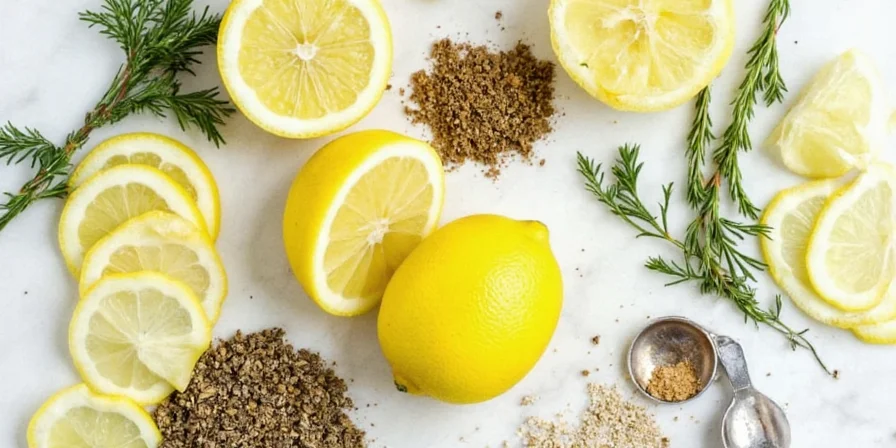
10 Unexpected Lemon Dill Spice Pairings That Will Blow Your Taste Buds Away!
Are you ready to take your taste buds on a flavor-packed rollercoaster? Hold onto your aprons because we're diving into the zesty, herby world of lemon dill and discovering some truly Innovative Spice Pairings. Whether you're a seasoned chef or just someone who’s tired of bland meals, this guide will turn your kitchen into a playground of flavors.
Table of Contents
- Why Lemon & Dill Are Flavor Soulmates
- The Top 10 Lemon Dill Spice Pairings
- Spice Pairing Comparison Table
- Pro Tips for Using Lemon Dill in Your Cooking
- Final Thoughts: Unlocking the Full Potential of Lemon Dill
Why Lemon & Dill Are Flavor Soulmates
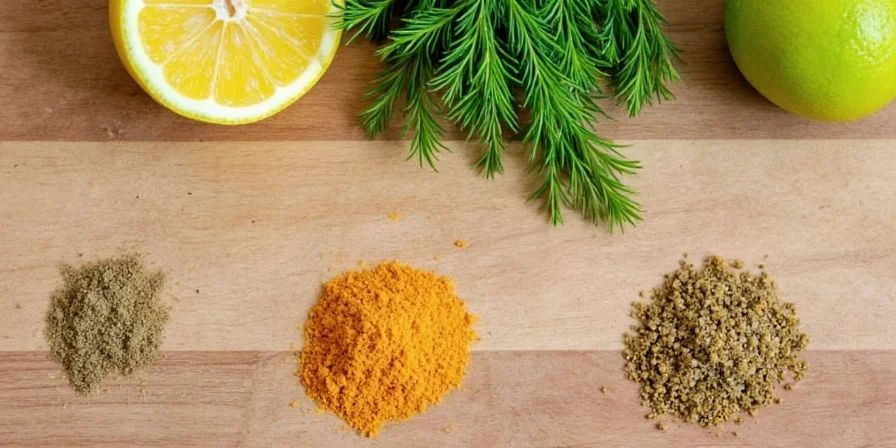
Lemon brings that bright, tangy punch, while dill adds an earthy, slightly sweet aroma with a hint of anise. Together, they create a flavor duo so harmonious it could star in its own romantic comedy. But why stop at the basics when you can jazz things up with some unexpected spice partners?
The Top 10 Lemon Dill Spice Pairings
1. Smoky Paprika
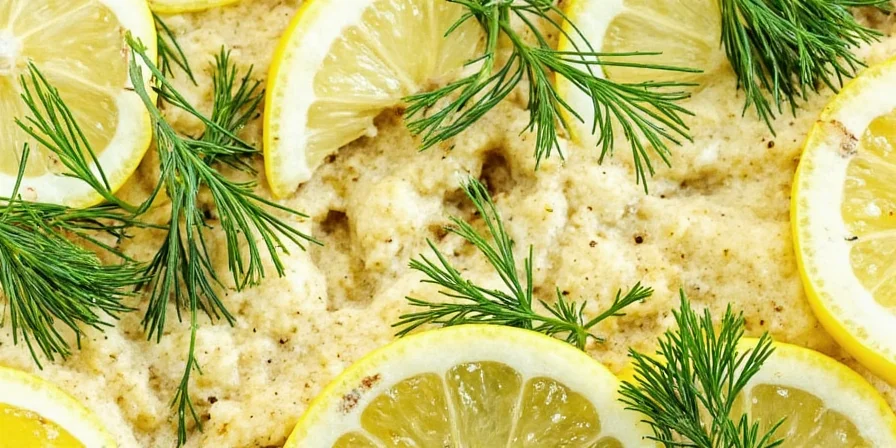
Add a little smoke to your citrus fire! Smoky paprika gives lemon dill a deep, mysterious twist — perfect for grilled fish, roasted veggies, or even popcorn if you're feeling fancy (or hungry at midnight).
2. Ground Coriander
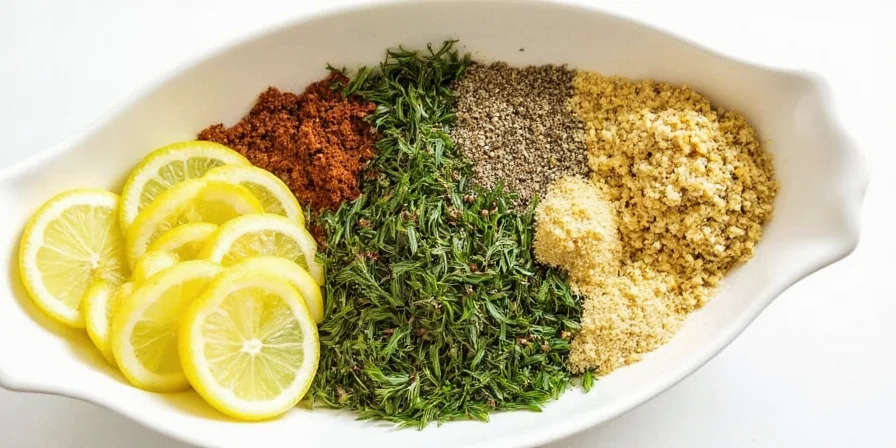
This citrusy spice is like the third wheel that actually makes the whole thing better. Use it in dressings, marinades, or sprinkle it over roasted potatoes for a zesty kick.
3. Black Pepper (Freshly Cracked)
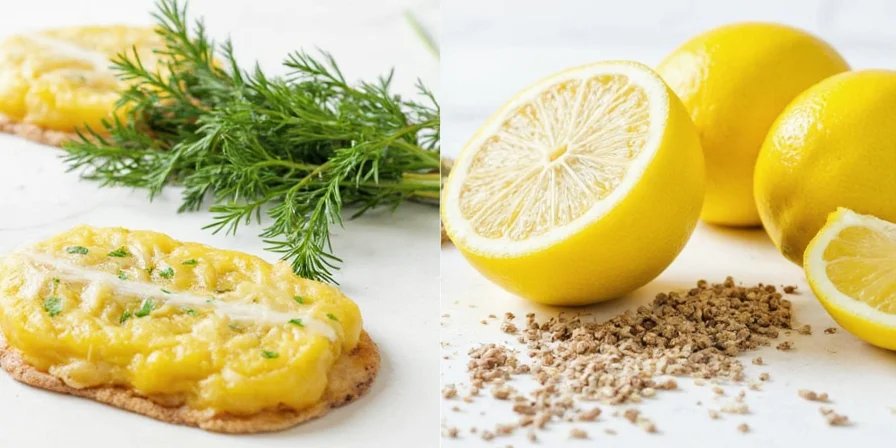
Sometimes the classics are classic for a reason. Fresh black pepper enhances the brightness of lemon and deepens the herbal notes of dill. Grind it generously into soups, sauces, and pasta dishes.
4. Turmeric
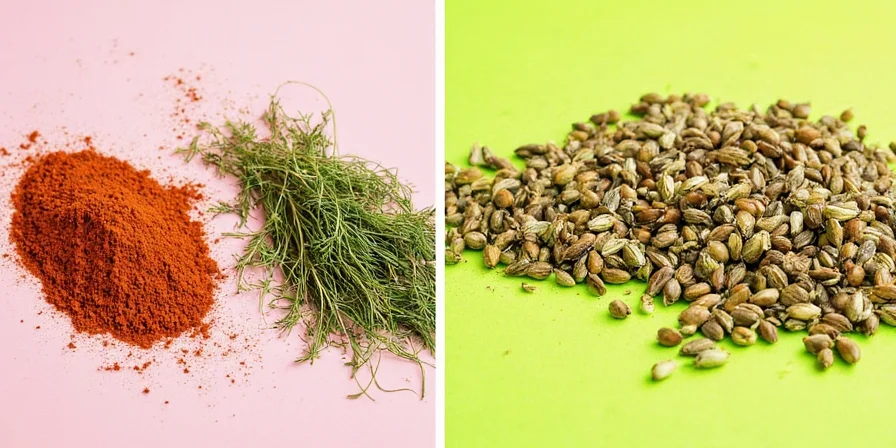
If you’re chasing anti-inflammatory benefits and vibrant color, turmeric + lemon dill is your golden ticket. Try it in rice dishes, hummus, or smoothies for a wellness boost with a burst of flavor.
5. Sumac
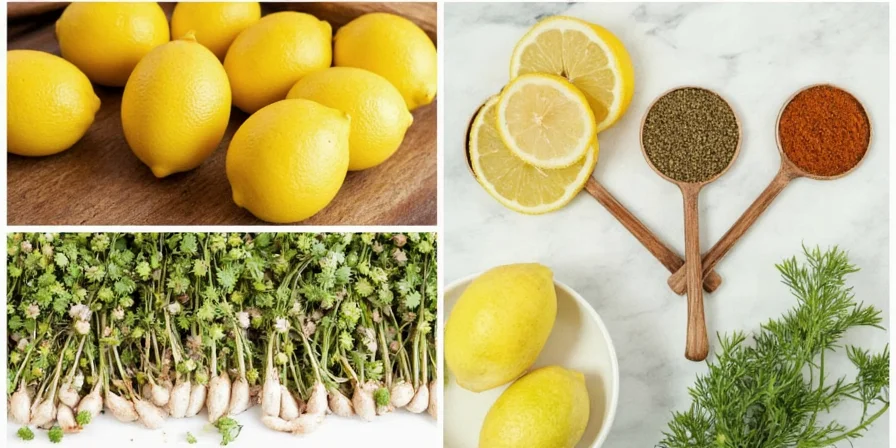
Sumac brings a tangy, berry-like acidity that complements lemon without overpowering it. Mix it into yogurt dips or sprinkle over grilled chicken for a Mediterranean flair.
6. Fennel Seeds
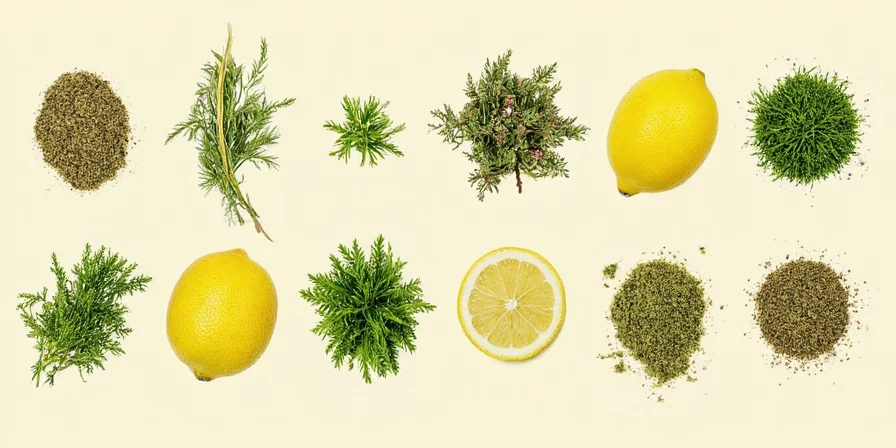
These crunchy little powerhouses echo dill’s licorice notes and enhance the freshness of lemon. Toast them and toss into bread doughs, salad dressings, or sautéed greens.
7. Za’atar
Za’atar is basically a spice party in a jar — thyme, sesame, sumac, and salt all mingling beautifully with lemon dill. Sprinkle over flatbreads, hummus, or roasted vegetables for instant gourmet vibes.
8. Mustard Seeds
Whether yellow, brown, or black, mustard seeds add warmth and depth. They love hanging out with lemon dill in pickles, curries, and grain bowls. Pop them in hot oil for that nutty aroma magic.
9. Cardamom (Ground or Pods)
A touch of cardamom turns lemon dill into something almost mystical. Add it to desserts, tea blends, or even savory tagines for a warm, aromatic surprise.
10. Chili Flakes (Red Pepper Flakes)
Banish blandness with heat! Chili flakes bring the fire, and lemon dill keeps it cool. Toss into pasta sauces, drizzle over pizza, or sprinkle into vinaigrettes for a spicy-citrus punch.
Spice Pairing Comparison Table
| Spice | Flavor Profile | Best Uses | Heat Level | Pairing Synergy |
|---|---|---|---|---|
| Smoky Paprika | Earthy, smoky, mildly sweet | Grilled fish, roasted veggies, potato dishes | Mild | High |
| Ground Coriander | Citrusy, warm, earthy | Dressings, marinades, roasted potatoes | None | High |
| Black Pepper | Pungent, sharp, spicy | Soups, sauces, pastas | Mild | Very High |
| Turmeric | Earthy, bitter, musky | Rice, hummus, smoothies | None | Medium |
| Sumac | Tart, citrusy, berry-like | Yogurt dips, grilled meats, salads | None | High |
| Fennel Seeds | Anise/licorice, earthy, sweet | Bread, dressings, sautéed greens | None | High |
| Za’atar | Earty, tangy, herbal | Flatbreads, hummus, veggie roasts | None | Very High |
| Mustard Seeds | Nutty, pungent, slightly bitter | Pickles, curries, grain bowls | Mild | High |
| Cardamom | Warm, floral, sweet-spicy | Desserts, tea, stews | None | Medium-High |
| Chili Flakes | Spicy, bold, earthy | Pasta sauces, pizza, vinaigrettes | High | Very High |
Pro Tips for Using Lemon Dill in Your Cooking
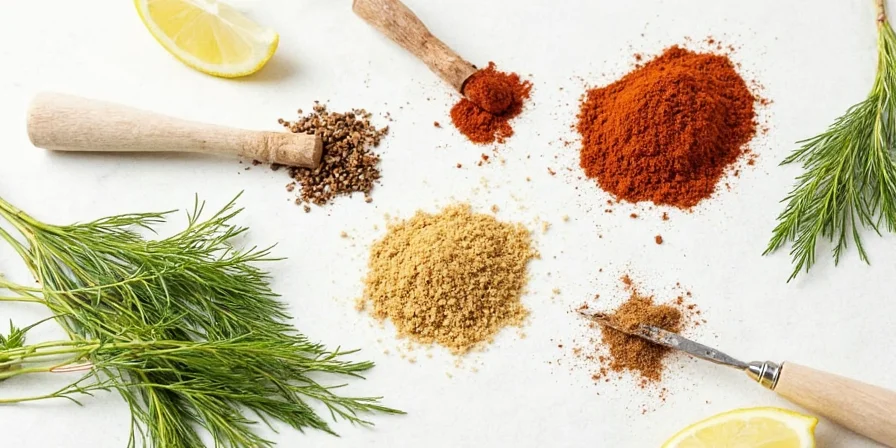
- Use Fresh Ingredients: Nothing beats freshly squeezed lemon juice and fresh dill. The oils are more potent, and the flavors pop like confetti at a parade.
- Don’t Overcook: Both lemon zest and dill are delicate. Add them toward the end of cooking to preserve their flavor and aroma.
- Infuse Oils or Vinegars: Create your own flavored bases by steeping lemon peel and dill in olive oil or white wine vinegar. Perfect for homemade dressings!
- Experiment with Salt: Make a lemon-dill seasoning salt by mixing dried dill, lemon zest, and coarse sea salt. It's great for rimming glasses or seasoning meats.
- Try Different Forms: Explore dried vs. fresh dill, lemon zest vs. juice, and different types of lemon (like Meyer!) for subtle variations in flavor.
Final Thoughts: Unlocking the Full Potential of Lemon Dill
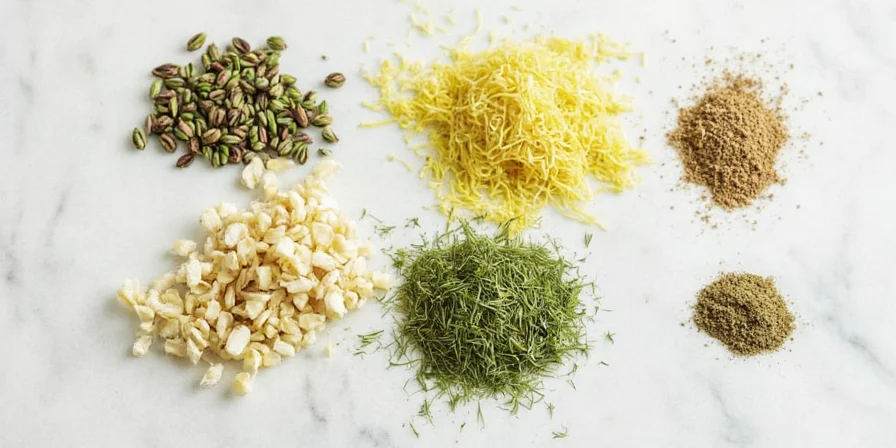
Lemon dill might seem simple at first glance, but when paired with the right spices, it becomes a flavor powerhouse capable of transforming everyday meals into something extraordinary. Whether you're grilling up fish, whipping up a quick salad dressing, or experimenting with global cuisine, don’t be afraid to reach for those spice jars and get creative.
Remember, cooking is like science meets art — and sometimes the best discoveries come from throwing caution to the wind and tasting what happens. So go ahead, spice up your life one lemon-dill dish at a time!




 浙公网安备
33010002000092号
浙公网安备
33010002000092号 浙B2-20120091-4