
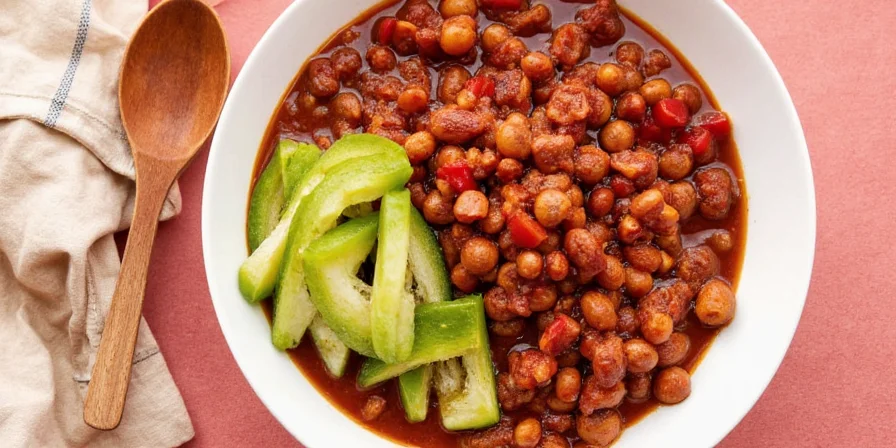
7 Unbelievably Bold Spice Pairings That’ll Turn Your Homemade Hot Dog Chili Into a Flavor Bomb!
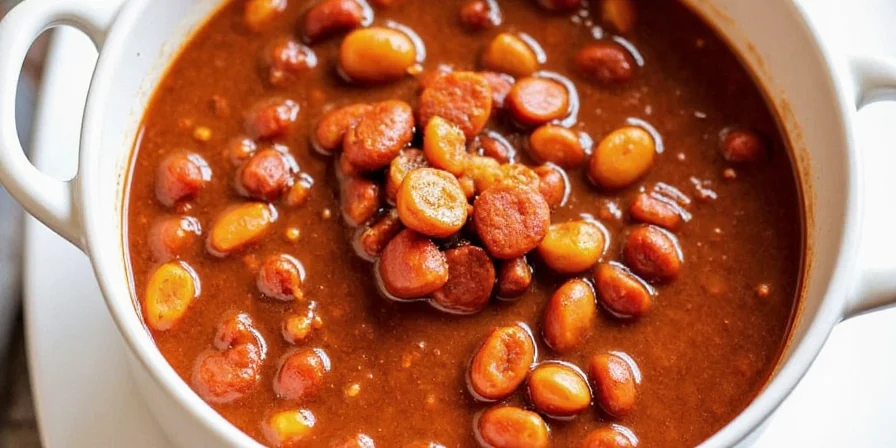
Description
Hot dog chili doesn’t have to be basic. If you're stuck in the same old routine of ground beef, tomato sauce, and onions, it’s time to spice things up—literally! This article is your passport to a world of flavor where everyday ingredients meet surprising spice pairings that’ll make your taste buds do the cha-cha. Whether you’re hosting a backyard BBQ or just looking to elevate your weeknight dinner game, these 7 innovative combinations will turn your homemade hot dog chili into something legendary.
Table of Contents
- Introduction: Why Boring Chili Is So 2022
- Cumin + Lime Zest: The Taco-Chili Fusion
- Smoked Paprika + Maple Syrup: Sweet Meets Smoky
- Coriander + Coffee Grounds: Bold & Earthy Vibes
- Cinnamon + Dark Chocolate: Chili with a Dessert Twist
- Turmeric + Ginger: Golden Glow Chili
- Chili Flakes + Honey: Heat with a Hint of Sweetness
- Sumac + Mint: Middle Eastern Mojo
- Pro Tips for Perfect Chili Every Time
- Conclusion: From Drab to Fab in 7 Easy Steps
Introduction: Why Boring Chili Is So 2022
If your chili tastes like it came straight out of a can (and we mean the sad kind), it’s time for a culinary intervention. Sure, the classic trio of cumin, chili powder, and garlic might get the job done, but why settle for “just fine” when you can go full fireworks? These bold new spice pairings are not only easy to find, but they also unlock flavor profiles you never knew could live inside your hot dog chili.

Cumin + Lime Zest: The Taco-Chili Fusion
Why choose between taco night and chili night when you can have both?
- Cumin: Adds warmth and earthiness, common in both Mexican cuisine and traditional chili.
- Lime Zest: Brightens the dish and balances the richness of beef and beans.
| Spice | Flavor Profile | Best For |
|---|---|---|
| Cumin | Earthy, nutty, slightly spicy | Adding depth and smokiness |
| Lime Zest | Fruity, tart, refreshing | Cutting through rich flavors |
How to Use:
Add ½ tsp of ground cumin during cooking and zest one lime directly into the pot at the end for maximum freshness.
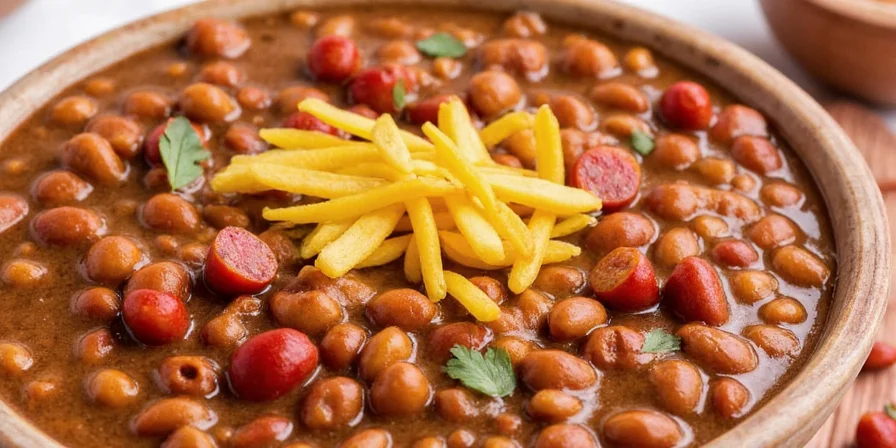
Smoked Paprika + Maple Syrup: Sweet Meets Smoky
This combo brings campfire vibes to your kitchen without needing a bonfire—or a beard.
- Smoked Paprika: Delivers that unmistakable barbecue smokehouse flavor without the smoker.
- Maple Syrup: Balances the smokiness with natural sweetness, mimicking barbecue sauces.
| Spice | Flavor Profile | Best For |
|---|---|---|
| Smoked Paprika | Smoky, sweet, peppery | Imitating grilled/smoked meats |
| Maple Syrup | Sweet, woody, caramel-like | Adding complexity and balance |
How to Use:
Add 1 tsp smoked paprika early in cooking and stir in 1–2 tbsp maple syrup toward the end. Warning: this may cause cravings for flannel shirts and hiking boots.
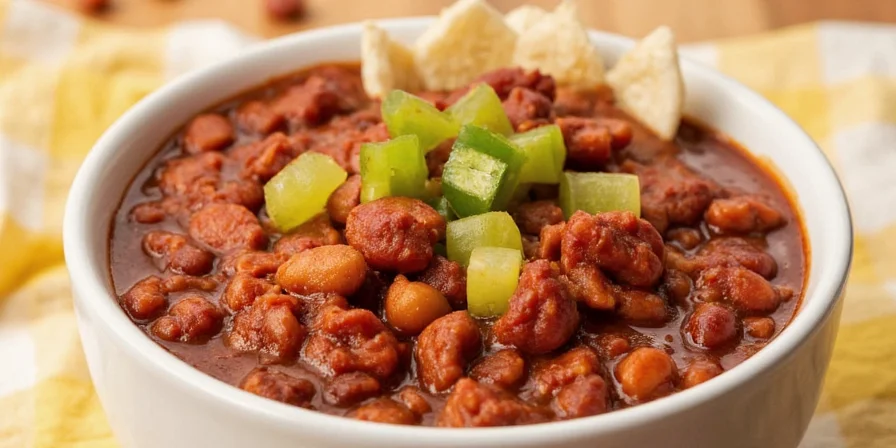
Coriander + Coffee Grounds: Bold & Earthy Vibes
Yes, you read that right. Coffee grounds aren’t just for your morning mug—they’re a secret weapon in savory dishes.
- Coriander: Offers citrusy, floral notes that play well with deep roast flavors.
- Coffee Grounds: Introduce bitterness and roastiness, enhancing umami in meat-based chilis.
| Spice | Flavor Profile | Best For |
|---|---|---|
| Coriander | Citrusy, warm, herbal | Lightening heavier dishes |
| Coffee Grounds | Bitter, roasted, chocolate-like | Deepening flavor in meat sauces |
How to Use:
Add ½ tsp coriander to the chili while browning meat, and stir in 1 tbsp finely ground coffee (Espresso works!) near the end. You’ll swear there’s more going on than just chili.

Cinnamon + Dark Chocolate: Chili with a Dessert Twist
Who says dessert can’t hang out with dinner? Cinnamon and dark chocolate add layers of unexpected richness and spice.
- Cinnamon: Warms up the chili and adds a familiar comfort note.
- Dark Chocolate: Brings depth and subtle bitterness that enhances savory elements.
| Spice | Flavor Profile | Best For |
|---|---|---|
| Cinnamon | Warm, sweet, woody | Adding comforting warmth |
| Dark Chocolate | Bitter, rich, complex | Boosting savory depth |
How to Use:
Grate ¼ tsp cinnamon into the pot and stir in 1 oz of finely chopped dark chocolate (70% or higher) just before serving. Prepare for compliments that include words like “magic” and “mind-blowing.”

Turmeric + Ginger: Golden Glow Chili
Step aside, turmeric latte—your superpower belongs in chili too.
- Turmeric: Lends a golden hue and gentle earthiness with anti-inflammatory benefits.
- Ginger: Adds a zesty kick that keeps the flavor dynamic and lively.
| Spice | Flavor Profile | Best For |
|---|---|---|
| Turmeric | Earthy, musky, slightly bitter | Color and wellness boost |
| Ginger | Pungent, spicy, slightly sweet | Adding zing and contrast |
How to Use:
Mix ½ tsp turmeric with ¼ tsp ground ginger and add to the chili early in cooking. Stirring in a splash of coconut milk can amplify the golden glow and add creaminess without dairy.
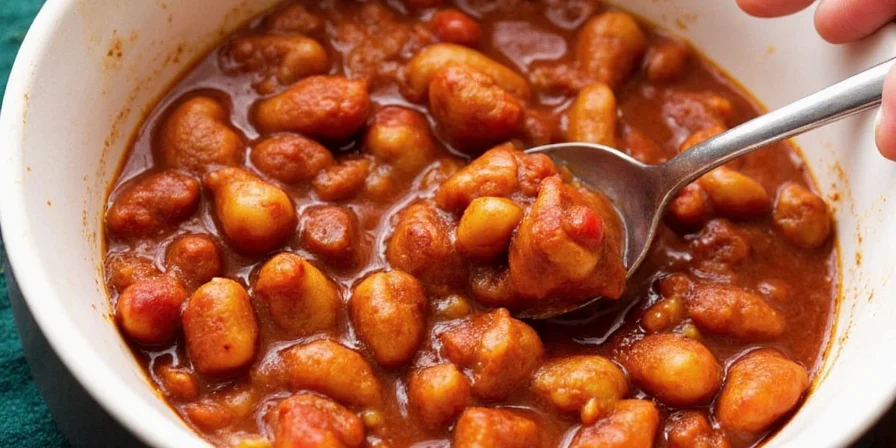
Chili Flakes + Honey: Heat with a Hint of Sweetness
For those who want their chili to slap you in the face… then hand you a hug.
- Chili Flakes: Bring the heat without overpowering the base flavors.
- Honey: Rounds out the spice with natural sweetness and viscosity.
| Spice | Flavor Profile | Best For |
|---|---|---|
| Chili Flakes | Spicy, fruity, sharp | Kickstarting flavor and heat |
| Honey | Sweet, floral, sticky | Softening spice with natural sugars |
How to Use:
Add 1 tsp chili flakes early on and drizzle 1 tbsp honey at the end. Adjust quantities based on how much drama you like in your chili.
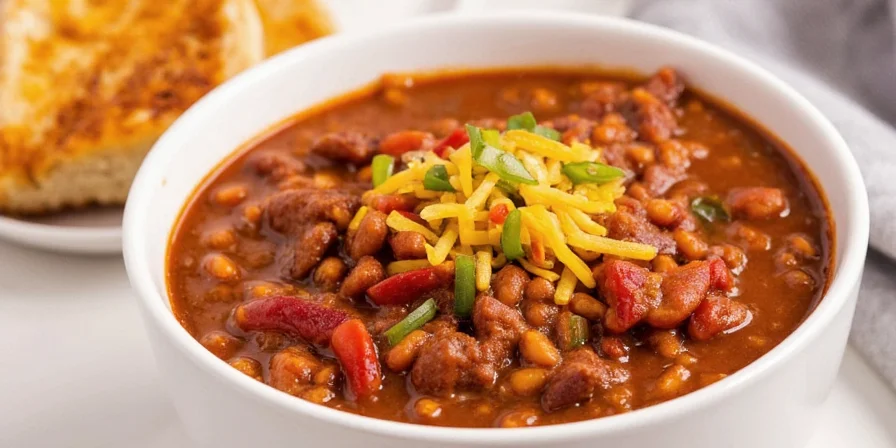
Sumac + Mint: Middle Eastern Mojo
When you want your chili to feel like a Mediterranean vacation, this duo is your golden ticket.
- Sumac: Brightens with lemony acidity, cutting through heavy flavors.
- Mint: Freshens everything up like an aromatic breeze.
| Spice | Flavor Profile | Best For |
|---|---|---|
| Sumac | Tart, citrusy, tangy | Refreshing rich dishes |
| Mint | Herbaceous, cooling, fresh | Adding aromatic lift |
How to Use:
Sprinkle ½ tsp sumac during simmering and toss in a handful of chopped mint at the very end. Serve over a whole wheat bun for extra global flair.
Pro Tips for Perfect Chili Every Time
Now that you’ve got some flavor bombs in your arsenal, here are a few pro tips to ensure your chili shines brighter than your neighbor’s Christmas lights:
- Don’t rush the simmer: Letting your chili cook low and slow allows flavors to meld beautifully.
- Layer your spices: Add some at the start and some at the end for layered impact.
- Taste as you go: Don’t wait until the end to adjust salt or spice levels.
- Use quality ingredients: Fresh spices and good-quality beef or plant-based alternatives make a big difference.
- Let it rest: Chilis often taste better the next day—so make a batch ahead if possible.
Conclusion: From Drab to Fab in 7 Easy Steps
Your days of bland chili are officially over. With these seven daring spice pairings, your homemade hot dog chili isn’t just a topping—it’s the main event. Whether you lean into the smoky-sweet allure of paprika and maple or go full dessert mode with cinnamon and chocolate, each combination is a chance to explore new dimensions of flavor.
So grab your apron, open that spice drawer (or better yet, reorganize it), and let your creativity run wild. After all, life is too short for boring chili—and way too short not to try all seven of these combos.




 浙公网安备
33010002000092号
浙公网安备
33010002000092号 浙B2-20120091-4